 11 Nov 2026
 4 min read
Sleep and recovery start before the trek: arrive with time to rest, keep camp routines simple, and treat poor sleep alongside other altitude symptoms as information to report—not something to push through. These sleep and recovery tips for a Kilimanjaro climb can help you plan, but they cannot guarantee restful nights or a summit. Discuss personal altitude concerns with a qualified health professional before travel.
Sleep and recovery tips for a Kilimanjaro climb: the quick answer
Before you leave, plan your arrival so you have time to sleep before Kilimanjaro and settle after travel. On the mountain, follow the pace and rest routine set by your guides, drink according to their instructions, and tell them about changes in how you feel. During summit night preparation, accept that sleep may be short or interrupted; prioritize rest beforehand rather than expecting one night to make up for lost sleep.
Kilimanjaro National Park describes climbs as typically taking five to eight days, so recovery is part of a multi-day effort, not a single night’s preparation. For the itinerary context behind that range, see how long the climb can take.
Sleep and recovery tips for a Kilimanjaro climb: the step-by-step process
Prepare the right setup
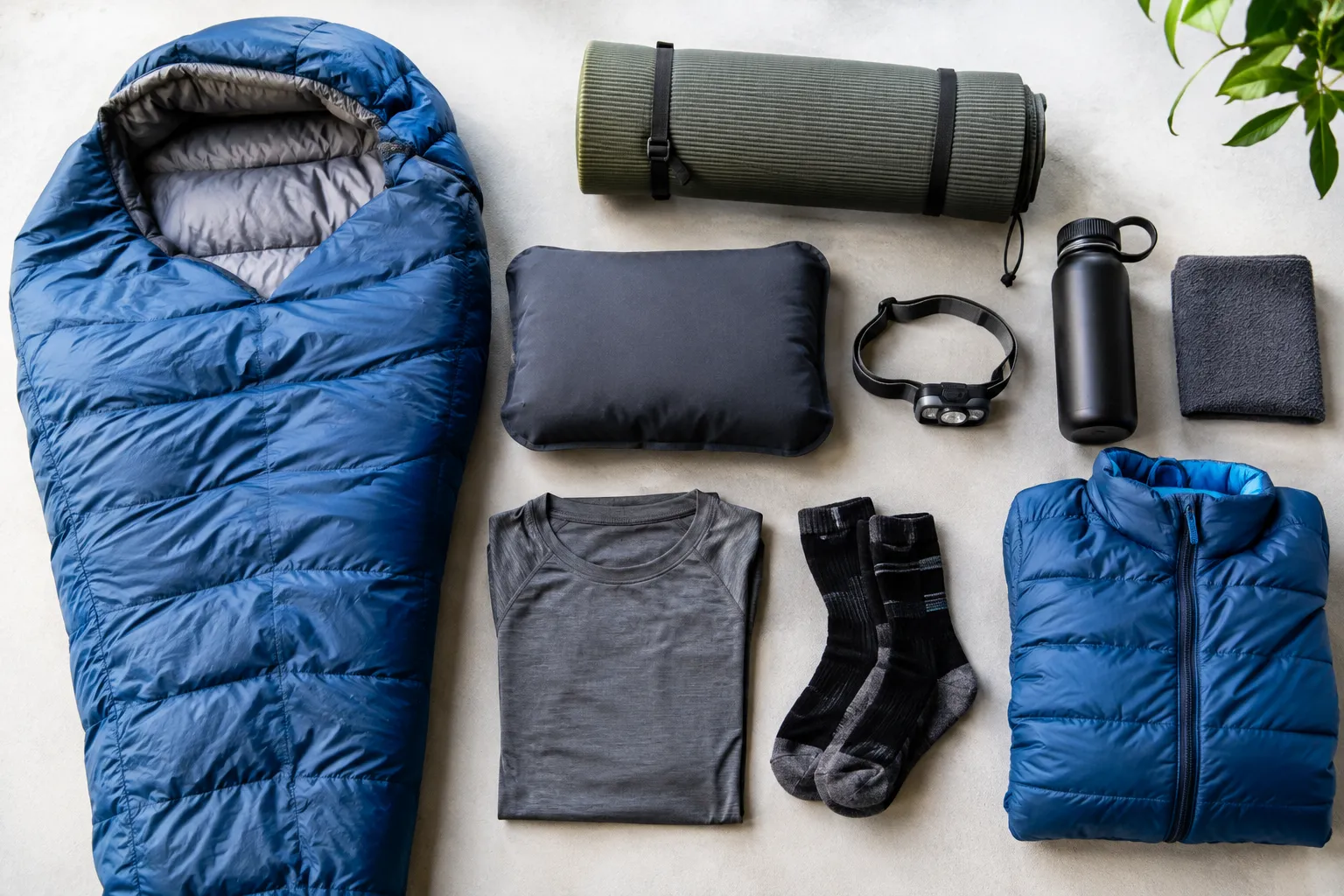
Before booking flights, check the itinerary’s arrival timing and where the climb begins. Build in an opportunity to sleep after travel instead of planning a long transfer or other demanding activity immediately before the trek. If your journey includes airport connections, check whether you must collect and recheck baggage; a delay or late arrival can disrupt your planned rest.
For sleep before Kilimanjaro, use the days before departure to keep a consistent bedtime as far as practical. Avoid making an ambitious last-minute change to your sleep schedule. Ask your operator what sleeping arrangements and camp routines are included, and what you need to bring yourself. That makes it easier to prepare without assuming every itinerary provides the same setup.
Follow the core process
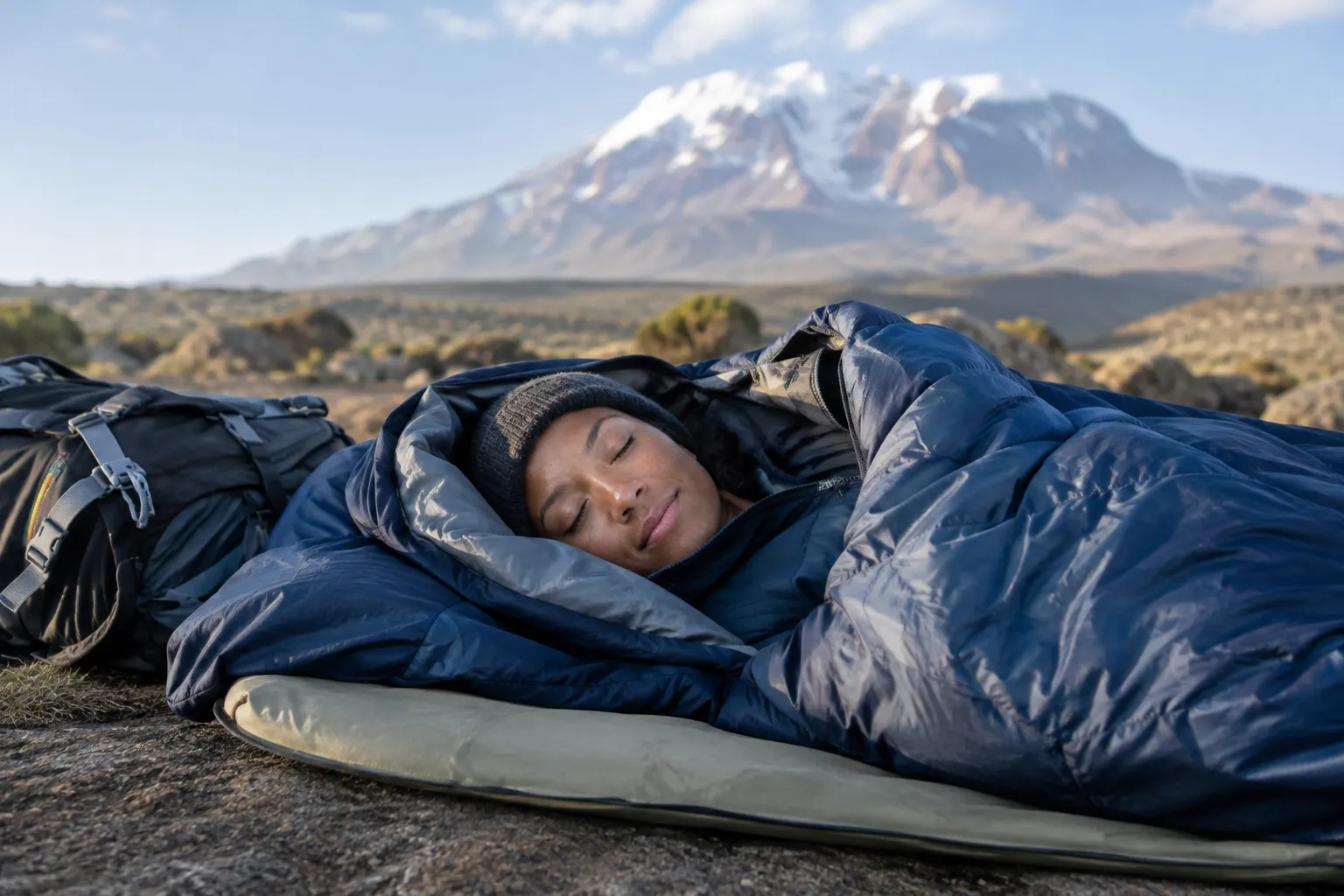
At camp, keep to the group’s routine and use available downtime to rest, even if you do not fall asleep. Follow your guides’ directions on pacing and hydration. Don’t treat a rest day as a reason to add extra exertion: its role in your itinerary is to support the climb and acclimatization plan, not to prove fitness.
The CDC’s guidance on high-altitude travel and altitude illness discusses gradual ascent and recognizing altitude illness. Poor sleep alone does not tell you what is causing a problem. Report how you feel to your guide, especially if sleep disruption comes with other concerning symptoms.
Check whether it is working
Each day, notice whether you are able to rest during breaks and whether your energy or symptoms are changing. Tell your guide about meaningful changes rather than judging the climb by how many hours you slept. A short night does not by itself establish whether you are adapting well; your overall condition and the guide’s assessment matter.
Ask before the trek how the team handles health check-ins and what to do if you feel unwell overnight. Clear instructions are more useful than trying to diagnose yourself at camp.
Avoid the common mistakes
Don’t rely on a sleep aid or altitude medication without advice from a qualified professional who knows your health history. Don’t conceal symptoms because you fear slowing the group, and don’t assume that extra water or effort can replace sleep or acclimatization. Also avoid planning summit night as though a full night’s sleep immediately beforehand is assured.
For a closer look at pacing, rest, and support on summit night, read the summit-night guide.
When to adjust your sleep and recovery tips for a Kilimanjaro climb approach
Adjust the plan if travel disruption leaves you with little time to rest, if you have a health condition that could affect altitude travel, or if you feel unwell on the route. Tell your guide and follow the team’s instructions rather than trying to compensate by pushing harder or changing your own medication plan.
The CDC advises travelers to consider health risks associated with high-altitude activities and prepare for them; its adventure travel guidance covers trekking and mountaineering. Consult a qualified health professional before travel about your individual altitude concerns, especially if you have an ongoing medical condition or take medication.
If your main uncertainty is how many days to allow for the climb, keep that planning question separate from sleep advice: the route itinerary determines the schedule, while rest habits help you manage the days within it. See how acclimatization days fit an itinerary.
Recommended next steps
Before departure, confirm your arrival and rest plan, ask the operator about camp routines and health check-ins, and discuss altitude concerns with a qualified professional. During the trek, follow the guide’s instructions, use rest periods to recover, and report changes in how you feel. Keep summit night preparation realistic: plan for rest where possible, but do not make a particular amount of sleep the test of whether you can continue.