
 26 Sep 2026
 6 min read
Mount Kilimanjaro is Africa’s highest mountain, located in northeastern Tanzania near the country’s border with Kenya. For travelers, the practical answer to “where is Mt Kilimanjaro?” includes more than a map pin: the mountain’s region, nearest towns, airport, national park, and the routes used to reach the trailhead all matter.
Mt kilimanjaro: quick answers
Where is Kilimanjaro?
Kilimanjaro is in northeastern Tanzania, within Kilimanjaro Region. It stands close to the Kenya–Tanzania border, although the mountain itself is in Tanzania.
Where is Mount Kilimanjaro in Tanzania?
Mount Kilimanjaro is north of the town of Moshi and east of Arusha. The mountain lies inside Kilimanjaro National Park, with several climbing routes approaching its slopes from different directions.
How high is Mt Kilimanjaro?
Mt Kilimanjaro rises to 5,895 metres, or 19,341 feet, above sea level. Its highest point is Uhuru Peak on Kibo, the central and highest volcanic cone.
Is Mount Kilimanjaro in Kenya?
No. Mount Kilimanjaro is in Tanzania, but it is near Kenya and is often photographed from the Kenyan side, particularly around Amboseli. This is why some maps and travel searches associate the mountain with both countries.
What is the closest town to Kilimanjaro?
Moshi is the main town used for Kilimanjaro climbs. Arusha is another common arrival base for travelers combining a climb with a Tanzania wildlife safari.
For a fuller map-based explanation, see our Mount Kilimanjaro location guide.
Which airport do climbers use?
Most international visitors fly through Kilimanjaro International Airport, commonly known as JRO. The airport is between Moshi and Arusha, making it convenient for both mountain transfers and northern Tanzania safari trips.
How long does it take to reach the mountain?
A transfer from Kilimanjaro International Airport to Moshi commonly takes about 45 minutes to an hour, depending on the exact accommodation and road conditions. Transfers to Arusha generally take longer, often around two hours or more.
The final drive from Moshi or another starting point to a route gate depends on the climbing route. Lemosho and Machame approaches usually require a longer transfer than Marangu, while Rongai approaches from the northeastern side of the mountain.
Mt kilimanjaro: common questions
Mt kilimanjaro basics: what should you know first?
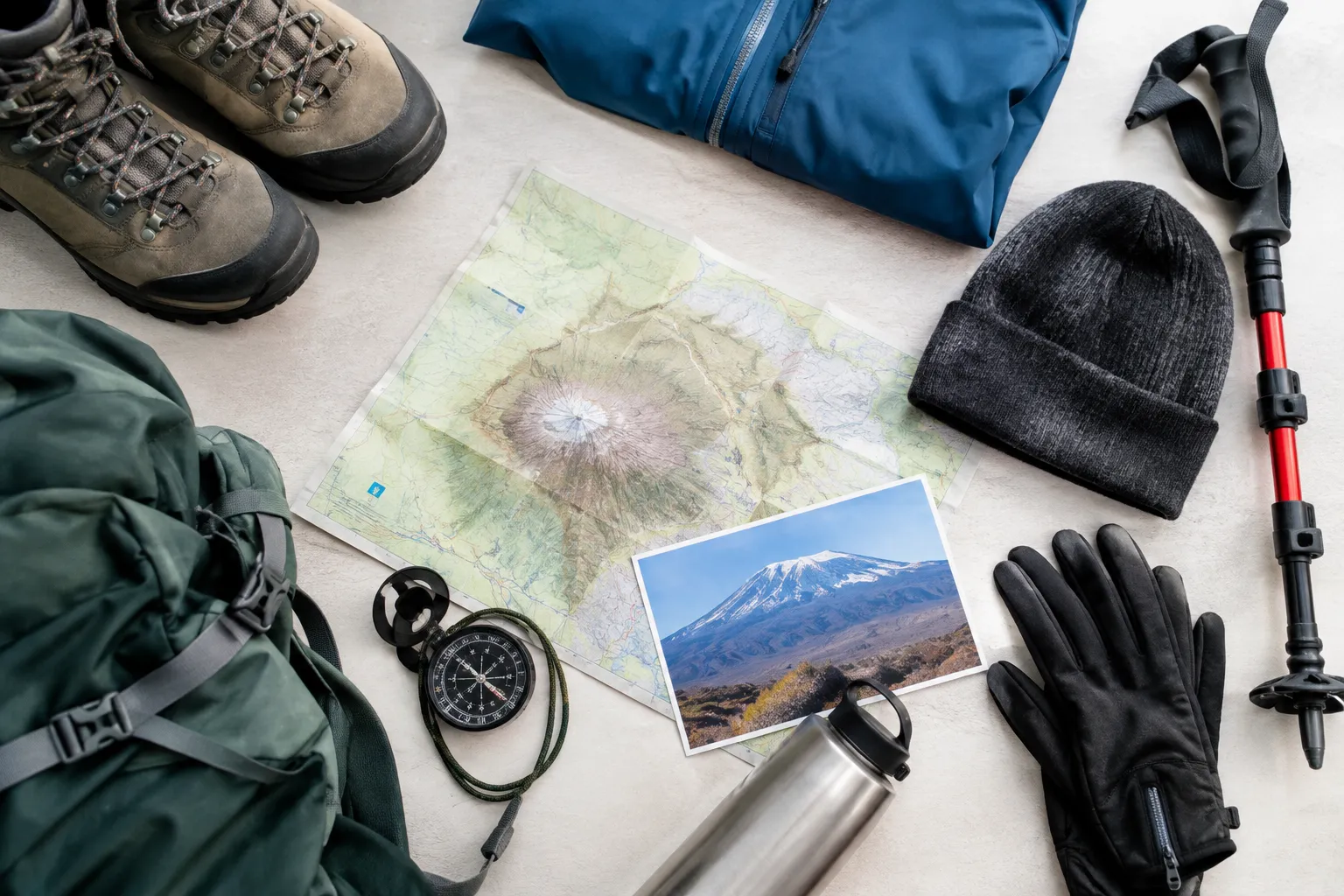 Mt Kilimanjaro is a free-standing volcanic mountain made up of three cones: Kibo, Mawenzi, and Shira. Kibo is the highest cone and contains Uhuru Peak, the summit reached by climbers. Although the mountain begins in a warm, cultivated landscape, the climb passes through several ecological zones. Typical conditions change from farmland and forest to moorland, alpine desert, and a cold summit zone. | Question | Practical answer | |—|—| | Country | Tanzania | | Region | Northeastern Tanzania, near Kenya | | Highest point | Uhuru Peak on Kibo | | Elevation | 5,895 metres | | Main climbing town | Moshi | | Main international airport | Kilimanjaro International Airport (JRO) | | Protected area | Kilimanjaro National Park | | Main planning concern | Altitude, acclimatization, and route duration | The mountain is not technically difficult in the same way as a rock-climbing expedition, but altitude makes it a serious undertaking. Fitness helps with long walking days, while pacing, acclimatization, hydration, rest, and daily health checks are also important. Visitors starting their research can use our Kilimanjaro travel planning resource to connect the mountain’s location with transport, climbing routes, and wider Tanzania travel arrangements.
How do you choose the right approach?
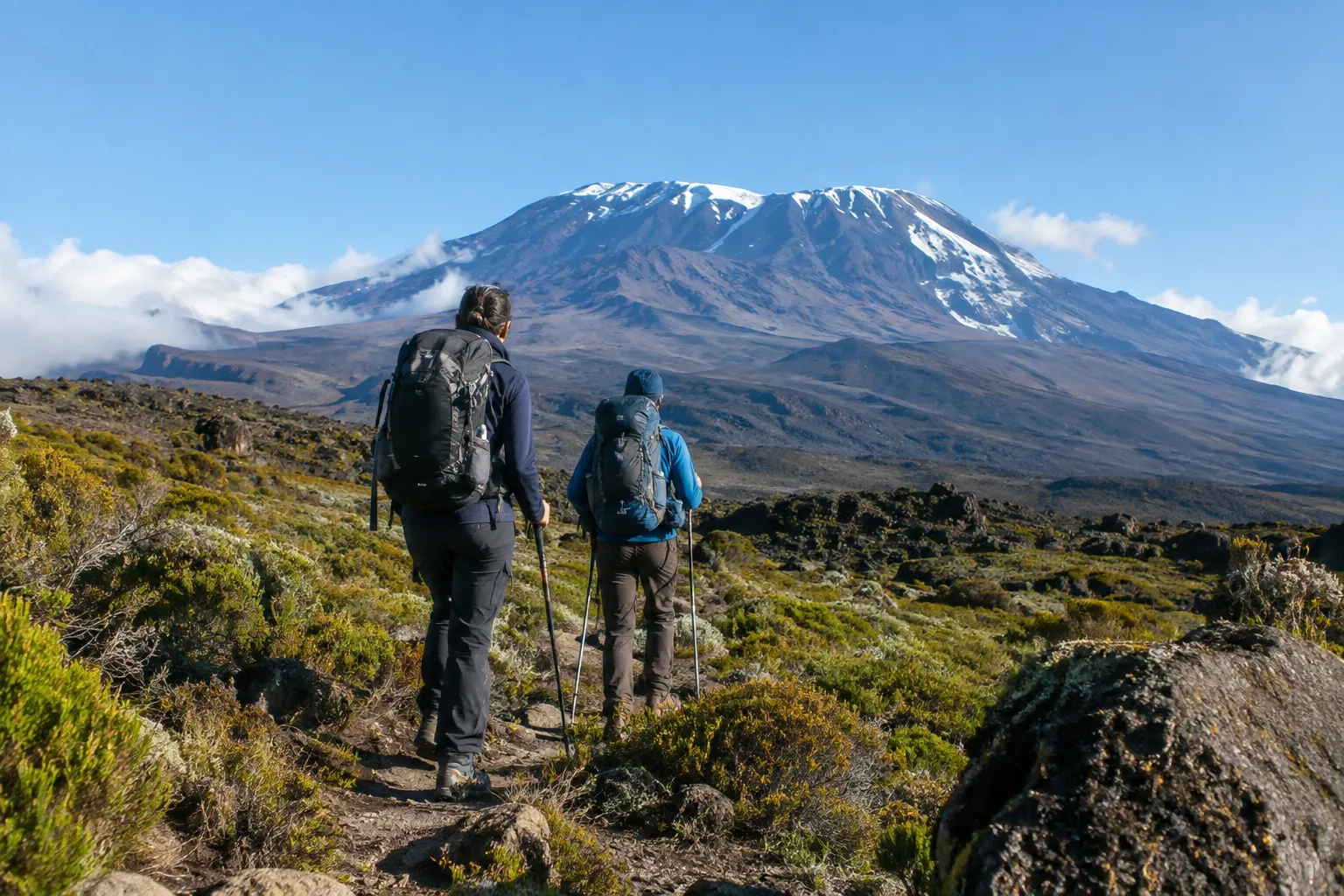 Choose your approach based on available time, acclimatization needs, scenery, budget, and whether you prefer a private or group climb. There is no single route that is ideal for every traveler. | Planning factor | What to consider | |—|—| | Time available | Longer itineraries allow more time on the mountain and may provide a more gradual schedule. | | Acclimatization | Route design and sleeping elevations matter more than simply choosing the shortest itinerary. | | Starting location | Most climbers begin near Moshi, but route gates are spread around different sides of the mountain. | | Group preference | A private climb offers more control over pace and arrangements; a group climb creates a shared trekking experience. | | Safari plans | Moshi and Arusha both provide practical access to northern Tanzania wildlife destinations. | | Arrival timing | Allow time for sleep and recovery after international travel before beginning the climb. | The Machame and Lemosho routes approach from the southwest and west, while the Northern Circuit takes a longer line around the mountain. Marangu approaches from the southeast, and Rongai begins on the northeastern side near the Kenyan border. Route duration, inclusions, government fees, flights, equipment, and tips should be checked separately when comparing quotations. A low headline price may not represent the full cost of a climb, so ask what is included before making a decision. For visitors combining a climb with wildlife travel, a safari add-on may include destinations such as Serengeti National Park, Ngorongoro Crater, or Tarangire National Park. The best order depends on flights, recovery time, and the total length of the trip.
What mistakes should you avoid?
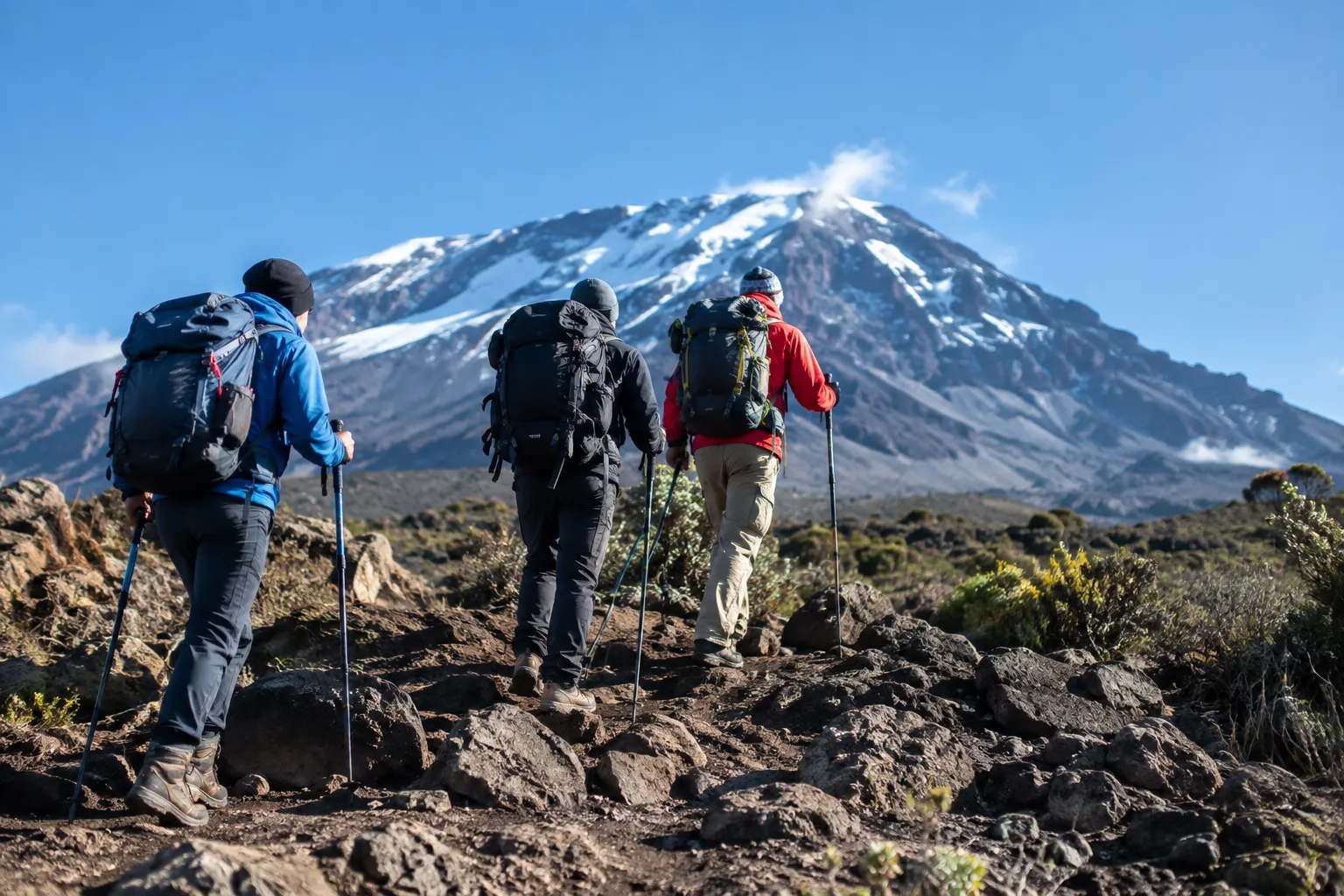 Avoid treating Kilimanjaro as a simple sightseeing stop that can be fitted between flights. Common planning mistakes include arriving late at night and starting the climb without adequate sleep, choosing an itinerary only because it is short, and failing to budget for tips, personal gear, travel insurance, and airfare. You should also avoid judging an operator by its website alone. Before booking, ask direct questions about: – Porter welfare and whether the company is a KPAP Partner Company – Guide training and mountain experience – Daily health and altitude monitoring – Emergency procedures and communication – Crew clothing, shelter, food, and treatment – What park fees and other government charges are included – Whether airport transfers and accommodation are included – Recommended tipping practices – Baggage limits and how personal equipment is carried – Private versus group arrangements – Deposit, cancellation, and payment terms KPAP partnership is one useful point to verify when researching responsible Kilimanjaro operators. It should sit alongside questions about guide standards, porter treatment, safety procedures, and the actual inclusions in your quotation rather than replacing those checks. For a first climb from sea level, practical preparation is more useful than trying to prove fitness through extreme training. Build walking endurance, strengthen your legs and core, practise carrying the daypack you expect to use, and test your footwear before travel. Altitude cannot be trained away, so a sensible itinerary and careful monitoring remain important. Travelers arriving through a major international connection should also plan baggage carefully. Check whether bags must be collected and rechecked during the journey, and keep essential medication, documents, and a small set of personal items in carry-on baggage according to airline and safety requirements.
Recommended next steps
What should you confirm before booking?
First, confirm the mountain’s location, your airport, the transfer plan, and the town where you will sleep before the climb. Then compare route duration and acclimatization design rather than comparing only the advertised price.
Second, request a written breakdown of the total trip components. This should make clear what is included in the guided climb and what you must arrange separately, such as international flights, personal gear, insurance, tips, and optional safari travel.
Third, decide whether a private or group climb suits your needs. Solo travelers and small groups should ask how departures are organized, whether a departure is guaranteed, how guide support is structured, and how health checks are handled on the route.
Finally, review the geography before finalizing your itinerary. Our mount kilimanjaro map resource can help you understand the relationship between the mountain, Moshi, Arusha, airport access, route gates, and the Kenya border.
In short, Mt Kilimanjaro is in northeastern Tanzania, near Kenya, north of Moshi, and accessible through Kilimanjaro International Airport. Knowing that location is the starting point; choosing a realistic route, allowing time to rest, checking operator standards, and budgeting for the full trip are what turn the map answer into a workable climb.
Sedrick Silayo is a Web Developer and Digital Marketing Expert at Eco-Africa Climbing, with over 10 years of experience in Tanzania’s adventure travel industry. He specializes in Kilimanjaro trekking and Northern Tanzania safaris, sharing practical expertise on trip planning, mountain preparation, safety, KPAP standards, and safari experiences.