 27 Nov 2026
 8 min read
The Northern Circuit is often reported as having the highest summit success rate, largely because its longer itinerary allows more time for acclimatization. But there is no standardized, independently comparable rate for every operator and itinerary, so treat that reputation as a guide—not a promise. If you’re asking which Kilimanjaro route has the highest success rate, compare the actual itinerary and its safety practices as well as the route name.
Eco Africa Climbing offers guided Mount Kilimanjaro climbs on five routes. The comparison below can help you narrow your options before exploring an itinerary; the right fit depends on your available time, priorities, and comfort with the route’s tradeoffs.
Which Kilimanjaro route has the highest success rate?
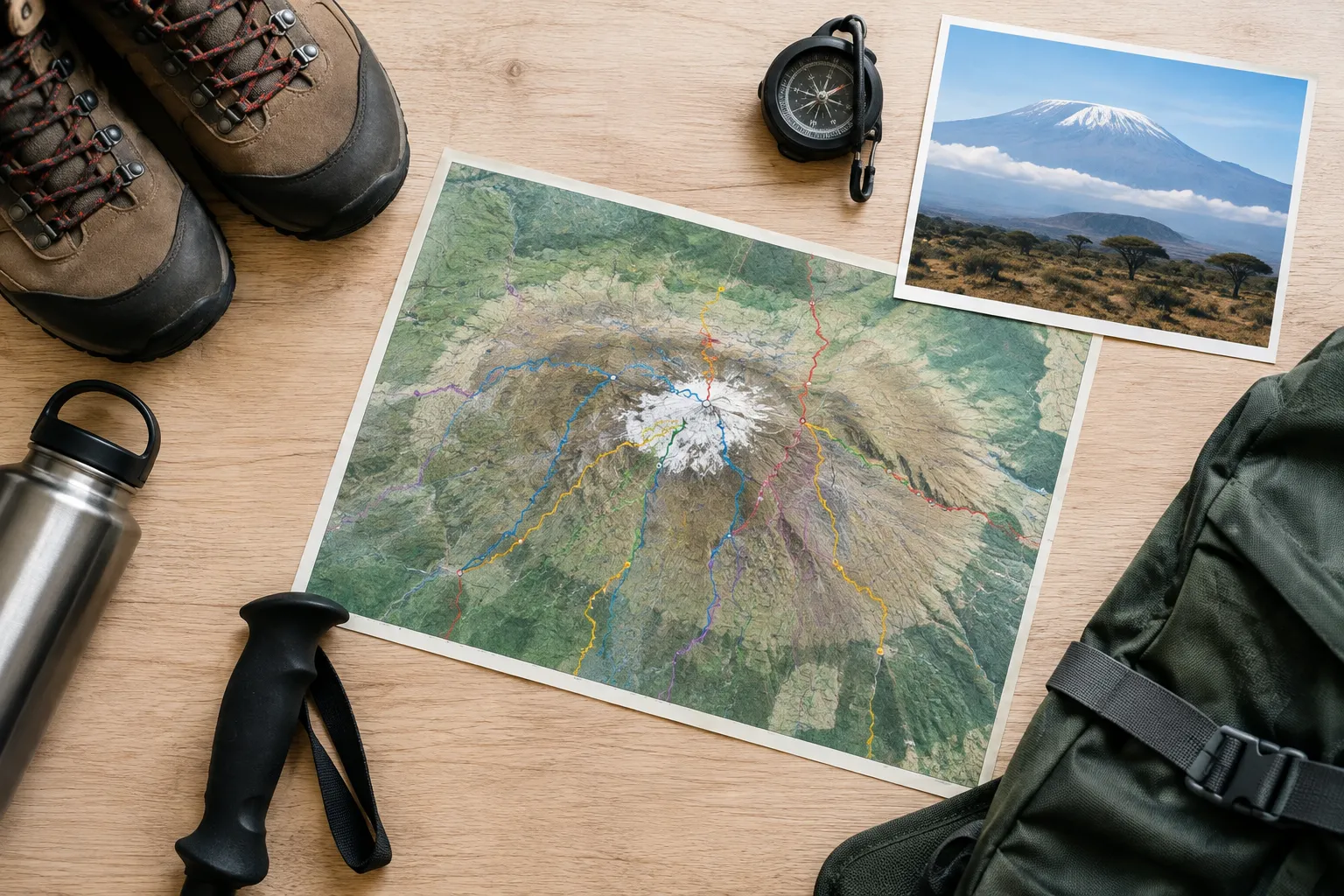
The Northern Circuit is often reported to have the highest summit success because its longer itineraries give climbers more time to acclimatize, but reported rates are not standardized across operators.
That distinction matters when comparing Mt. Kilimanjaro routes. A percentage is meaningful only if you know which itinerary it describes, how the operator defines reaching the summit, and which climbers are included. The route name alone does not determine an individual outcome.
The Northern Circuit is a sensible route to investigate if acclimatization time is your main priority and you can allow a longer climb. Lemosho may also suit climbers seeking a longer approach. Other climb Kilimanjaro routes may fit better when your schedule, lodging preference, or desired experience points elsewhere.
For a broader overview of the Kilimanjaro climbing options, compare the route and itinerary together. In any Kilimanjaro climb guide, a route’s reported success should be treated as context—not a guarantee.
How the main routes compare at a glance
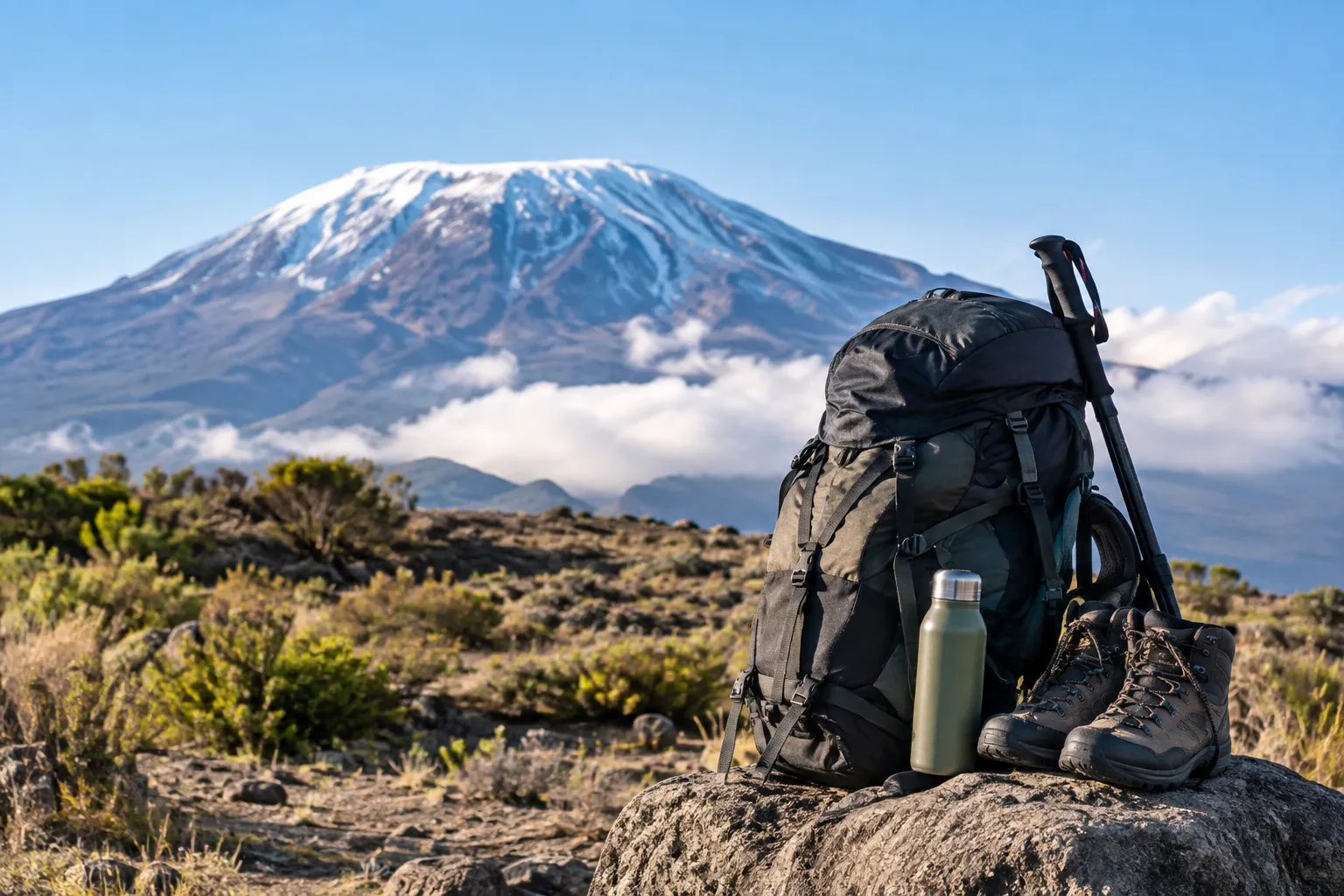
Across the five main Kilimanjaro trekking routes, the Northern Circuit stands out for a longer acclimatization opportunity, while each alternative offers a different practical fit.
| Route | Reported summit success | Acclimatization opportunity | Scenery and crowds | Lodging | Potential fit |
|---|---|---|---|---|---|
| Northern Circuit | Often reported as high; figures vary by itinerary and operator | Longer itineraries allow more time on the mountain | A longer route experience; crowd levels depend on timing and itinerary | Camping | Climbers prioritizing time to acclimatize |
| Lemosho | Varies by itinerary and operator | Longer itineraries can allow more acclimatization time | Valued for its scenic approach; conditions and crowds vary | Camping | Climbers wanting a longer approach |
| Machame | Varies by itinerary and operator | Depends on the itinerary selected | A popular route; crowd experience can vary | Camping | Climbers who prefer this route’s approach and can choose an itinerary that fits |
| Rongai | Varies by itinerary and operator | Depends on the itinerary selected | A different approach to the mountain; scenery and crowds vary by section and timing | Camping | Climbers whose route preferences point to this approach |
| Marangu | Varies by itinerary and operator | Depends on the itinerary selected | A distinct route experience; conditions and crowds vary | Hut accommodation | Climbers who prefer hut lodging |
The table is a qualitative comparison, not a ranking or a set of measured route success rates. Tanzania National Parks describes Kilimanjaro climbs as typically taking five to eight days, but that general range does not establish the duration of a specific operator’s itinerary or tell you how many days it spends at different elevations. Check the precise itinerary before comparing options.
Scenery and crowd levels are also difficult to summarize as fixed route properties: timing, chosen itinerary, and the sections traveled affect the experience. Ask what the daily route includes rather than relying on a broad label such as “quiet” or “scenic.”
Why summit success rates vary between routes and operators
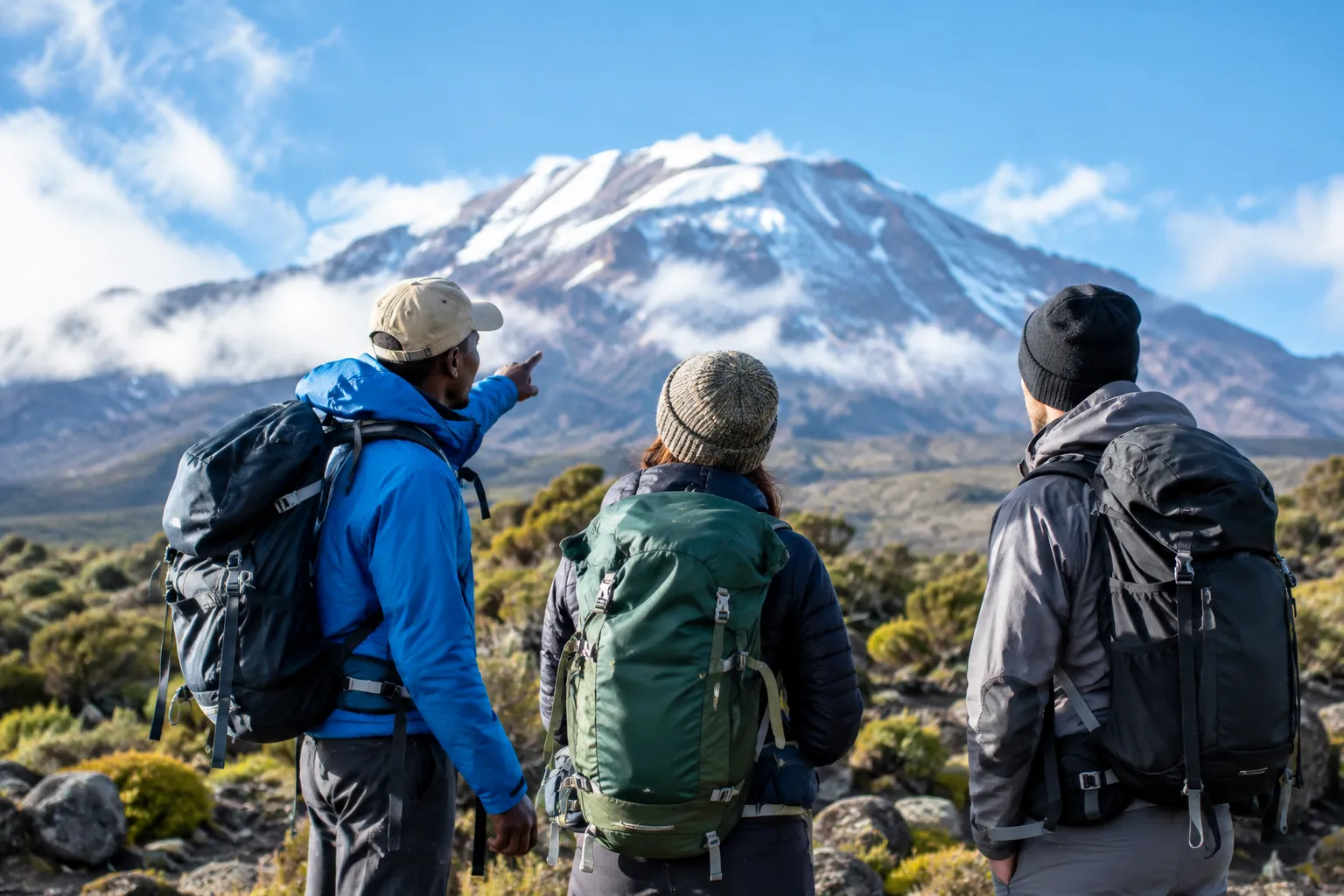
Published success rates vary because operators may use different itineraries, include different groups of climbers, and define a successful summit differently.
One operator may count climbers who reach a designated high point; another may report a different summit measure or a different group of departures. A shorter and longer itinerary on the same route are not necessarily comparable. If a company presents a percentage, ask what it counts, the period it covers, and whether it applies to the exact itinerary you’re considering.
A route-level figure also cannot tell you what will happen to an individual climber. Health, acclimatization, preparation, and decisions on the mountain all matter. A high reported figure is not a safety guarantee, and a lower or unavailable figure does not by itself explain an operator’s practices.
When comparing operators, look beyond a success-rate headline. Ask how guides monitor climbers’ health, what happens if someone becomes unwell, and how the group handles a decision to descend. The CDC’s guidance on altitude illness and acclimatization describes altitude-related risks and the importance of gradual ascent. Discuss your own health and suitability for high-altitude travel with a qualified medical professional.
How itinerary length and acclimatization affect your summit chances
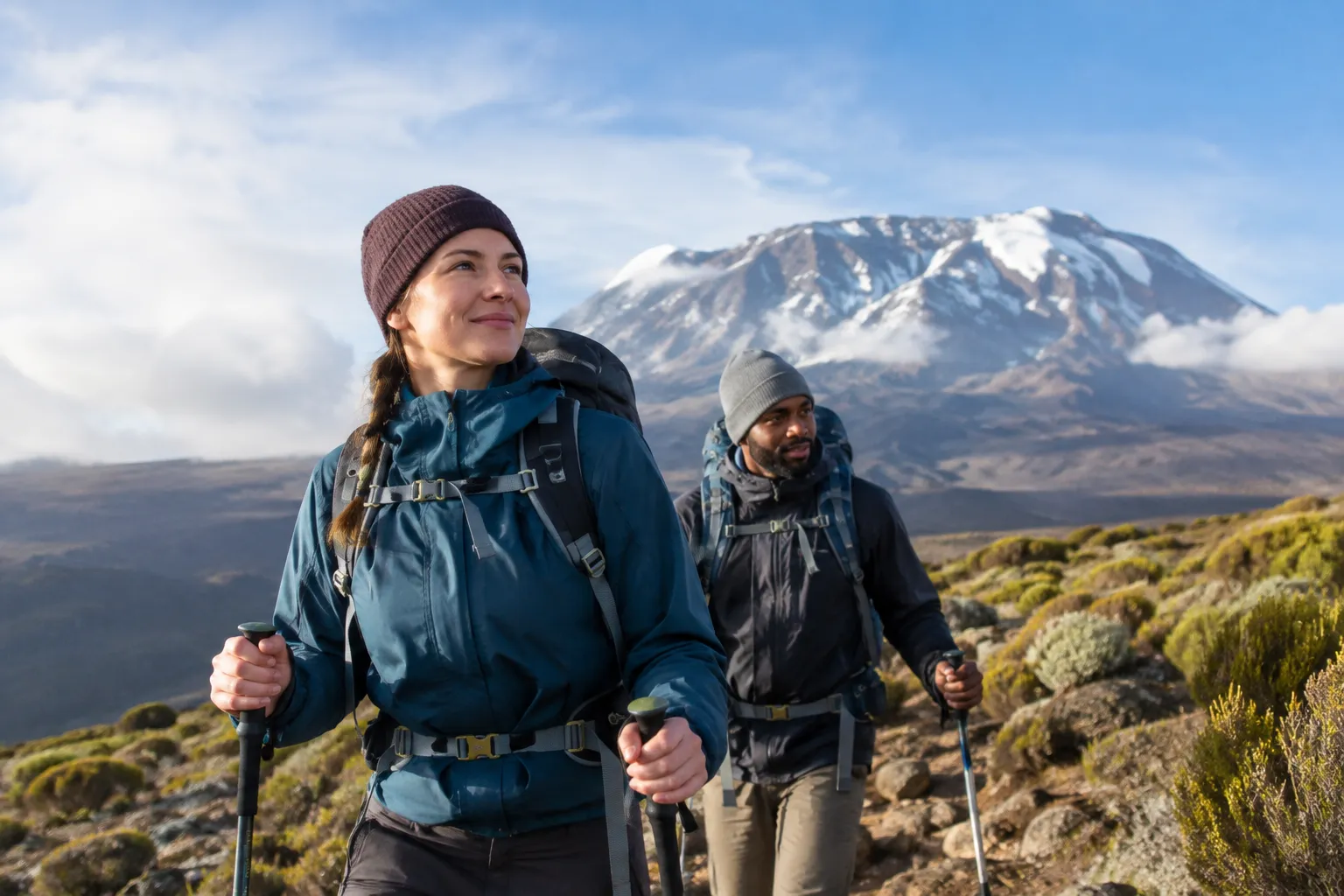
A longer itinerary can provide more time to acclimatize, which may support your ability to adjust to altitude; it cannot guarantee that you will reach the summit.
The park authority describes typical Kilimanjaro climbs as lasting five to eight days. That broad range is not a route-by-route success rating. Compare the actual number of days, the ascent profile, and any acclimatization time built into the itinerary rather than assuming two trips on the same route offer the same opportunity.
A shorter trip may fit a tighter travel schedule, but it leaves less time on the mountain. A longer trip requires more days away, and may add to the overall cost of travel and logistics. The tradeoff is not simply “more days equals success”: a longer itinerary can offer more time for acclimatization, but individual responses to altitude differ.
Plan for the trip around the climb itself. Allow time to arrive, sleep, and organize before the trek rather than building a flight plan that leaves no room for rest. Account separately for international airfare, gear, tips, and any safari plans when estimating total trip cost; a guided climb price alone may not represent the full trip budget.
For travel-health preparation, check the CDC’s Tanzania travel health guidance and consult a qualified health professional about your personal situation. That guidance addresses destination-specific health considerations; it does not replace a personal medical assessment for high-altitude trekking.
Choose a route and itinerary that fit your priorities
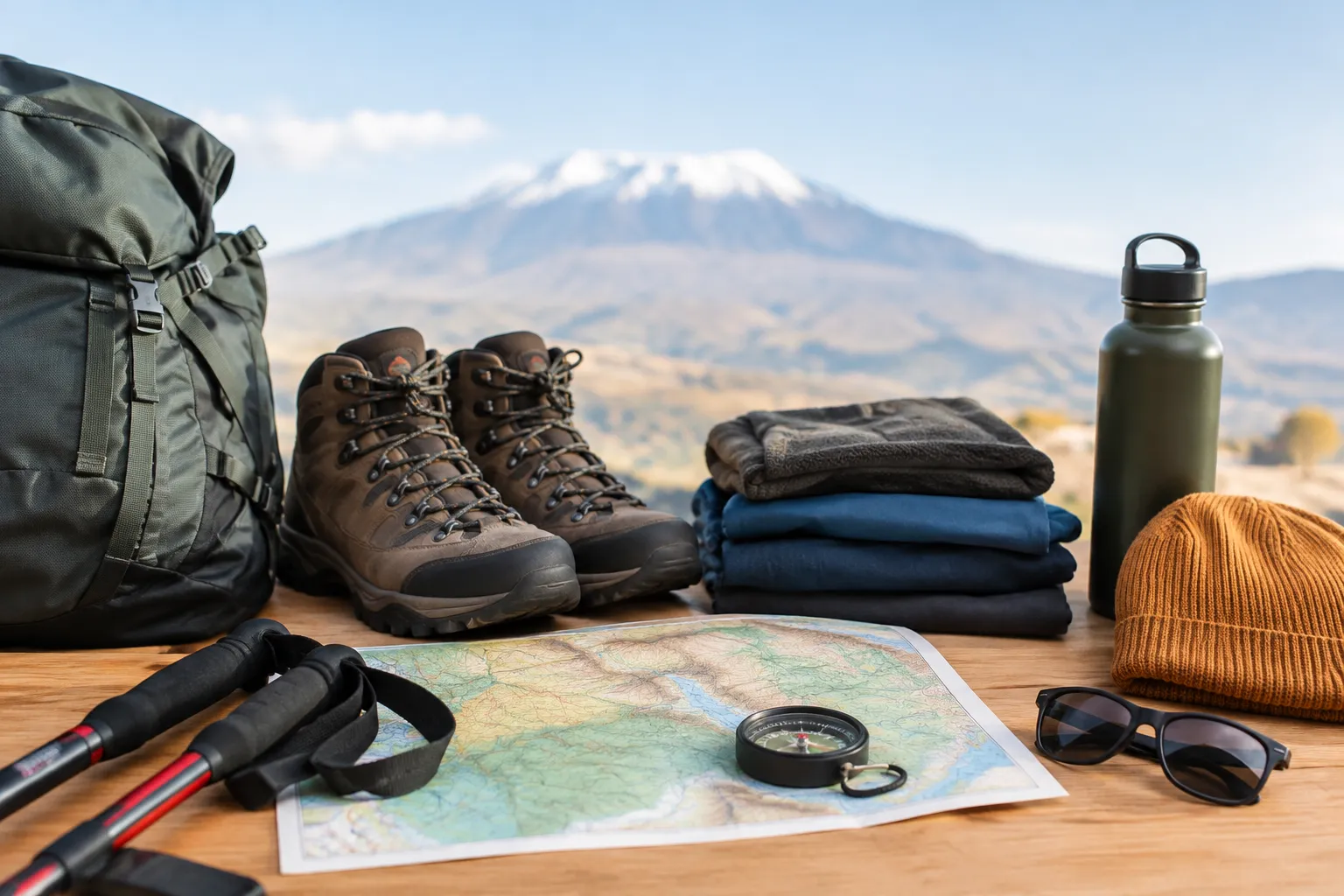
Choose by matching the itinerary’s acclimatization opportunity, total time, lodging, and route experience to your needs—not by treating a reported success rate as an outcome promise.
Before selecting among the best routes to climb Kilimanjaro for your trip, write down your available days and the features you value most. Then ask operators for the complete day-by-day itinerary and compare like with like. The company’s Kilimanjaro route options include Lemosho, Machame, Northern Circuit, Rongai, and Marangu.
Check the full cost as carefully as the route. Ask what the quoted climb includes and excludes, and budget separately for airfare, gear, tips, and any additional travel you plan. Government fees are part of the overall trip-cost question, so ask how they are accounted for rather than assuming a headline price covers every expense.
Operator checks matter, too. Eco Africa Climbing is a KPAP Partner Company and states its commitment to porter welfare, professional mountain guiding, safety, and responsible tourism. When comparing any operator, ask how porter treatment is handled, what support and monitoring are provided on the mountain, and what the price includes. Verify KPAP partnership through KPAP’s own current information rather than relying only on a website claim.
Choose the Northern Circuit or Lemosho for more time to acclimatize
The Northern Circuit and longer Lemosho itineraries are worth comparing if you can spend more time on the mountain and want an itinerary with more opportunity for gradual acclimatization.
The Northern Circuit is often associated with high reported success, but ask for the exact itinerary behind any figure. Lemosho can also be considered as a longer approach; the specific itinerary, not the route name alone, determines the actual time and ascent pattern. Compare daily elevations and the plan for the full climb, not just the advertised trip length.
More days may mean more time away and a higher total trip cost, so weigh the possible acclimatization benefit against your schedule and budget. Neither route is a shortcut to a guaranteed summit, and longer duration does not remove altitude risk.
Choose Machame, Rongai, or Marangu for a different trip fit
Machame, Rongai, and Marangu may suit different route and lodging preferences, but the specific itinerary still determines how much time you have to acclimatize.
Machame is a camping route and a popular choice; ask how busy the itinerary may be during your planned dates. Rongai offers a different approach to the mountain, which may appeal if that route experience is your priority. Marangu differs in offering hut accommodation rather than camping. These are practical distinctions, not proof that one route is easier or more successful for every climber.
Compare the duration and ascent profile for each option before deciding. If a shorter itinerary is appealing because it fits your calendar, ask what acclimatization time it includes and consider the tradeoff against a longer climb. Choose lodging and route experience as part of the decision, not as substitutes for checking the guide and safety plan.
Kilimanjaro Route FAQ
These answers give a practical starting point; compare the exact itinerary and operator practices before choosing among the routes.
What is the success rate of climbing Kilimanjaro?
There is no single standardized success rate for all Kilimanjaro climbs; reported figures vary with the operator, itinerary, climbers counted, and definition of reaching the summit.
What is the hardest route up Kilimanjaro?
There is no universal hardest route for every climber; difficulty depends on the itinerary, altitude response, conditions, and personal strengths, so compare daily demands rather than route names alone.
Is 50 too old to climb Kilimanjaro?
No, age 50 alone does not determine whether someone can climb Kilimanjaro; fitness, health, altitude response, and preparation matter, so discuss your personal suitability with a qualified medical professional.
Recommended next steps
Use these steps to narrow your route choice and compare itineraries on practical details rather than an unqualified success-rate claim.
- Set the number of days you can give the climb, including time to arrive, sleep, and prepare before starting.
- Choose whether acclimatization time, camping or hut lodging, or a particular route experience matters most to you.
- Request the day-by-day itineraries for the routes you are considering and compare their duration and ascent patterns.
- Ask each operator how summit success is defined, what the reported figure covers, how guides monitor climbers, and what happens if someone needs to descend.
- Confirm KPAP partnership and ask how porter welfare, tips, government fees, gear, and other inclusions affect your total trip budget.
- Select the itinerary that fits your time and priorities, then review your travel-health preparation with a qualified professional.