 21 Nov 2026
 8 min read
What are 10 things I wish I knew before climbing Kilimanjaro? The essentials are altitude, acclimatization, steady preparation, summit-night demands, suitable gear, trail facilities, insurance, crew welfare, tipping, and careful route and operator choices. A guided Mount Kilimanjaro trek is a high-altitude journey, not a technical climbing expedition on the standard trekking routes.
What to know about altitude and acclimatization
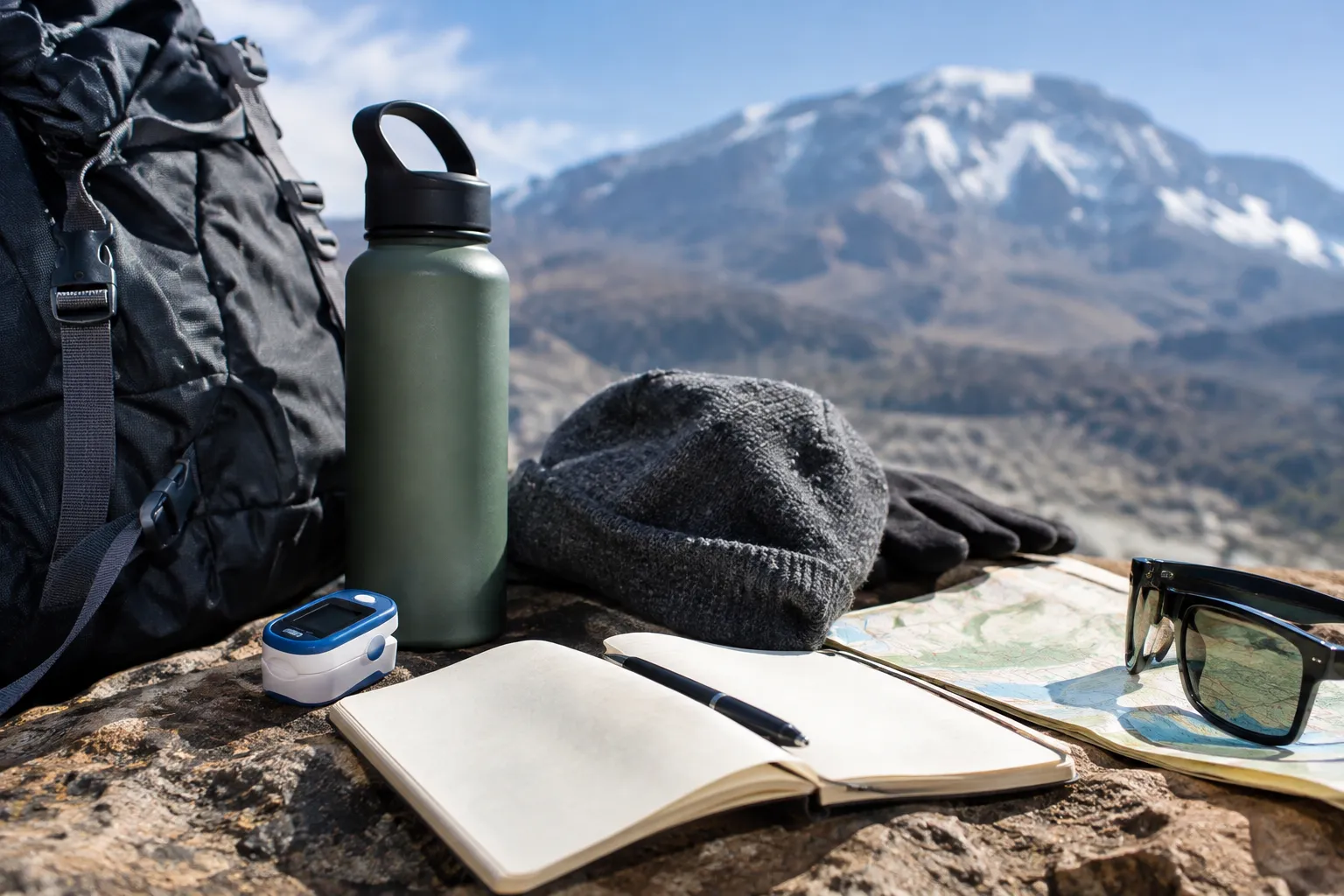
Altitude and acclimatization shape the climb: allow time to adjust, keep a steady pace, and tell your guide promptly if you feel unwell.
Reaching the summit depends on acclimatization
Mount Kilimanjaro rises to 5,895 meters at Uhuru Peak, its highest point. Tanzania National Parks describes typical climbs as lasting five to eight days. That duration is useful context, but it does not make every itinerary equally suited to every climber: route and pace affect how much time you have to adjust.
The Centers for Disease Control and Prevention (CDC) explains that altitude illness can occur when people ascend to high elevations faster than their bodies can adapt. More time on the mountain can support acclimatization, but no itinerary guarantees a summit. Review the CDC’s guidance on high-altitude travel and discuss your own health concerns with a qualified medical professional before the trip.
When comparing a Kilimanjaro climbing tour, check the route, number of days, daily walking plan, and arrangements for responding to health concerns—not just the advertised trek length. A longer schedule may mean more time on the mountain, which also means more days of walking and camping or staying at mountain huts, depending on the route.
Walk slowly and report symptoms early
A slow, consistent pace helps you manage effort across long days; tell your guide about symptoms or changes in how you feel rather than trying to hide them. Do not treat a strong start as proof that the higher sections will feel the same.
Hydration is one part of preparation, not a substitute for medical attention or a response plan. Before departure, ask the operator how guides check climbers’ health, what happens if someone develops symptoms, and how a climber can report a problem privately. The CDC’s advice on altitude illness can help you recognize why early communication matters. If you have a medical condition or take medication, consult a qualified professional about your own plans.

What to know about preparation and the daily climb
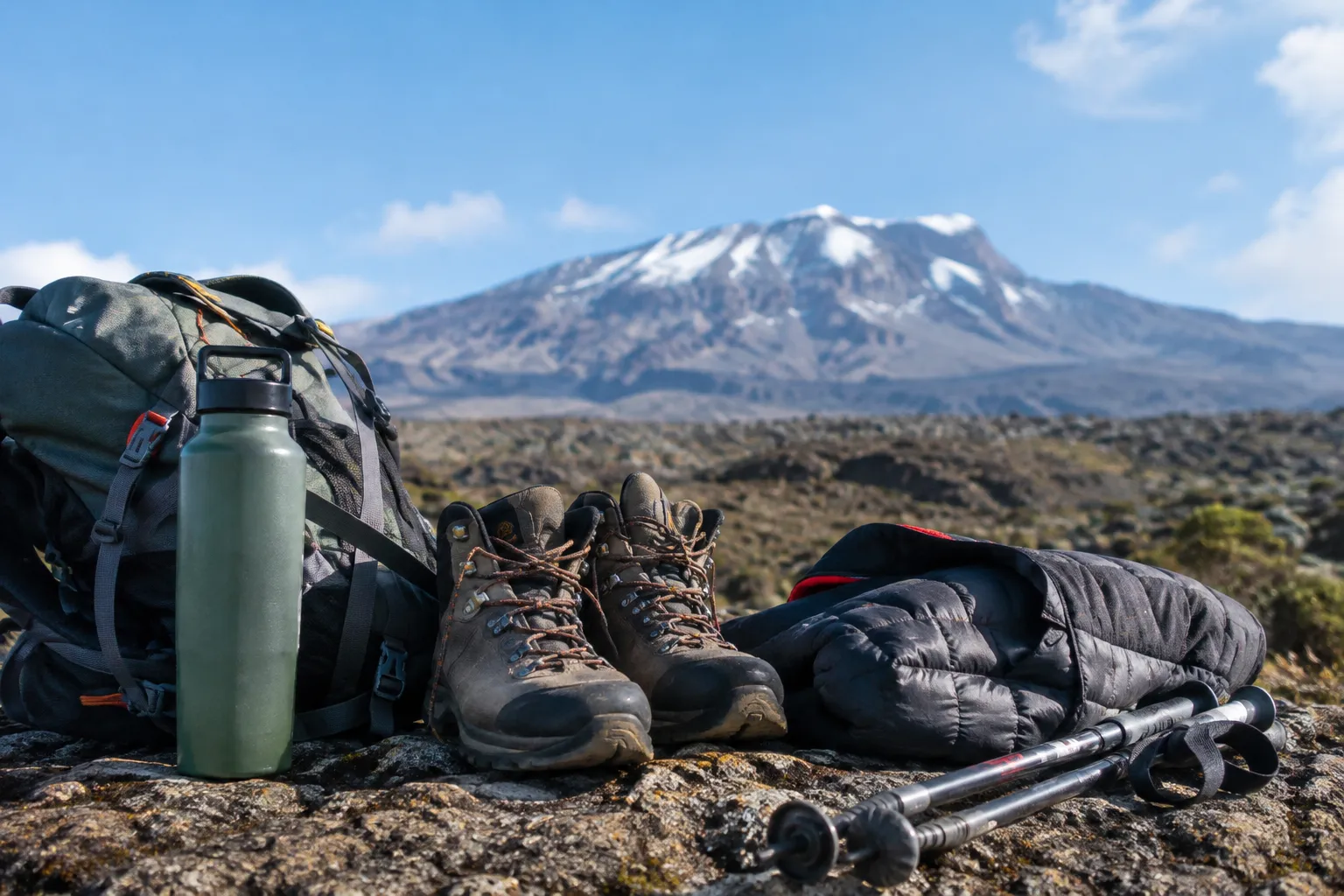
Prepare for repeated days of walking, changing conditions, and a demanding summit push followed by more descent.
Train for long days on your feet
Build up your walking gradually before travel. Practice on varied terrain where possible, and work toward spending longer periods on your feet with the footwear and daypack you plan to use. This helps you identify discomfort or gear problems before the trek, without assuming that training can eliminate the effects of altitude.
Standard trekking routes are not technical mountaineering routes requiring rock-climbing skills, but they still involve sustained physical effort at high elevation. The CDC recommends preparation for adventure travel that reflects the activity and destination; review its adventure travel guidance and ask a qualified professional how to prepare if you have health concerns.
Avoid the common mistake of training only for speed or strength. Long, steady walks and time on your feet are more relevant practice for a multi-day trek than a single hard workout. Also plan for arrival and sleep before the climb: international travel can leave you tired, and the trekking schedule begins after you reach Tanzania.
Summit night is cold, long, and demanding
The summit push is an overnight ascent for many itineraries, followed by descent. That means reaching the high point is not the end of the day’s effort; you still need energy and attention for the way down.
Ask what the summit-day schedule looks like on your chosen route, what clothing layers are recommended, and how the team responds if a climber needs to stop or turn back. The summit can be a meaningful goal, but treat it as an objective rather than a promised outcome. A sensible plan includes listening to the guide and prioritizing health over reaching the top.
What to know about gear and trail logistics
Pack for changing conditions and basic facilities: choose layers you can manage, test important gear, and ask what toilet arrangements are available on your route.
Choose and test layers before you travel
A useful packing plan separates what you carry during the day from what you need at camp and for colder conditions. Follow the operator’s current packing list, then check each item for fit, function, and compatibility with the rest of your kit. Wear your hiking footwear on training walks and test your pack with the items you expect to carry.
Avoid packing several untested alternatives “just in case.” Instead, identify what each item is for, whether it is essential, and whether the operator supplies or arranges it. Ask specifically about baggage limits, what the crew carries, and what must stay with you during the day. Check airline baggage rules separately; flights and baggage arrangements are part of the wider trip plan, not the climb itself.
Plan for toilets and limited privacy
Toilet facilities vary by route and accommodation arrangement, so ask what will be available at camps or huts and how to prepare for basic facilities. Tanzania National Parks’ visitor information explains that route and accommodation arrangements vary; use the park visitor guide alongside your operator’s route-specific information.
Bring any personal hygiene supplies you rely on and pack waste out or dispose of it as directed. The park’s mountain regulations include requirements for handling waste, so ask how your crew follows them. If privacy is a concern, discuss the practical arrangements before booking rather than assuming facilities will match those at home.
What to know about insurance and your climbing crew
Check your insurance wording for high-altitude trekking and emergency evacuation, then ask direct questions about guide health procedures, porter welfare, and tips.
Check that your insurance covers the climb
Do not assume a standard travel policy includes a guided trek at Kilimanjaro’s elevation or the evacuation arrangements you may need. Read the policy’s activity and altitude exclusions, and contact the insurer to confirm coverage for your exact itinerary and circumstances. Check how emergency assistance and evacuation are defined, and keep the insurer’s contact details accessible during travel.
Insurance terms vary by policy, so use written confirmation from the insurer rather than relying on a general description of coverage. Review your policy before paying for the trip, and consult a qualified professional if you need advice on your personal insurance decisions.
Ask how guides monitor health and crews are treated
Ask the operator how guides monitor climbers’ health, how they handle symptoms, and what happens if someone cannot continue. A professional climbing crew supports the trek, but no guide or monitoring process can promise a particular health or summit outcome.
For responsible crew practices, ask how the company works with porters and what measures support their welfare. Eco Africa Climbing is a KPAP Partner Company, and its stated commitment includes porter welfare and responsible tourism. You can still ask how that commitment works in practice on the climb and how tips are handled. Ask whether tips are separate from the quoted price, how they are distributed, and what costs are included so you can compare the full trip budget rather than one headline figure.
What to know when choosing a Kilimanjaro climb
Compare routes and operators by the days involved, acclimatization opportunity, support, crew practices, and total costs—not by a single headline price.
Match the route and trek length to your needs
Eco Africa Climbing offers climbs on the Lemosho, Machame, Northern Circuit, Rongai, and Marangu routes. Each option has its own itinerary and practical tradeoffs; compare the number of days, daily walking, accommodation arrangements, and time available for acclimatization before choosing. Do not select on route name alone.
A route that fits your schedule may not offer the same amount of time on the mountain as a longer itinerary. Compare the full schedule and ask how the operator describes the pace and daily stages. For a broader view of the choices, see this route and preparation guide.
Choose a responsible operator and ask clear questions
A polished website or low quote cannot answer every practical question. Ask for a written breakdown of inclusions and exclusions: park fees, accommodation, meals, transfers, gear, tips, and any other costs you need to budget for. International flights and personal equipment may also affect your total trip spending, so track them separately.
Check whether the operator is a KPAP Partner Company and ask about porter treatment, guide support, health monitoring, group arrangements, and what happens if a climber needs assistance. For a solo traveler or small group, ask whether the departure is shared or private, what group size to expect, and whether the date is confirmed. Ask how the operator accommodates women traveling alone and what support is available on the route. Clear answers make it easier to compare value without assuming that the cheapest or most expensive option is automatically the right fit.
Kilimanjaro Climbing FAQs
What is the fatality rate of climbing Kilimanjaro?
There is no single fatality-rate figure here that can reliably describe every route, itinerary, and climber. Ask operators about their health-response procedures, and review authoritative medical guidance on altitude risks before deciding.
Why do people want to climb Mount Kilimanjaro?
People are drawn to Mount Kilimanjaro for its high summit, the challenge of a multi-day trek, and the experience of traveling through changing mountain environments. Personal reasons vary, and reaching the summit is not guaranteed.
Where do you sleep when you climb Kilimanjaro?
Where you sleep depends on the route and itinerary: arrangements may involve camps or mountain huts. Confirm the specific accommodation plan with the operator and check the park’s visitor guidance.
Choose your route and plan your climb
Turn your research into a route and budget plan before choosing a guided trek.
- Compare the Lemosho, Machame, Northern Circuit, Rongai, and Marangu itineraries by days, daily stages, and accommodation arrangements.
- Write down your training plan, arrival and rest schedule, gear needs, insurance questions, and separate travel costs.
- Ask each operator for written details on inclusions, park fees, health procedures, porter welfare, tipping, and group arrangements.
- Choose the route and operator whose schedule, support, and stated practices match your priorities, then confirm the details before booking.