Is Kilimanjaro Safe for Solo Female Travelers?
If you are considering climbing Mount Kilimanjaro on your own, one of the first questions you may ask is: Is Kilimanjaro safe for solo female travelers?
For many women, the answer is yes when the trip is properly organized with an experienced local operator, professional mountain guides, suitable equipment, clear safety procedures, and appropriate travel preparation.
You do not need to climb Kilimanjaro completely alone. Solo female travelers can join a scheduled women-only group, meet the other participants in Tanzania, and complete the mountain trek together.
Can a Woman Travel Alone to Tanzania for Kilimanjaro?
Yes. Many women travel independently to Tanzania for Kilimanjaro climbs, safaris, and other adventures.
Traveling alone does not mean that every part of the trip must be done independently.
With an organized Kilimanjaro package, important logistics such as airport transfers, hotel accommodation, mountain guides, porters, meals, camping equipment, and trekking arrangements can all be coordinated before your arrival.
This is particularly useful for women who are comfortable flying internationally by themselves but want the support of an organized group once they arrive in Tanzania.
Why Women-Only Kilimanjaro Groups Can Be a Good Option
A women-only group can offer a comfortable balance between solo travel and group support.
You can book your trip independently, travel from your home country alone, and then meet other women who have reserved the same Kilimanjaro departure.
For some women, this makes the experience feel more comfortable because they can discuss personal concerns openly with other female travelers.
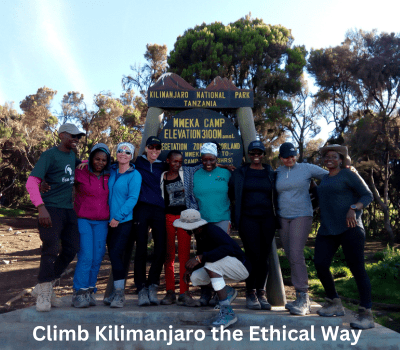
WomenClimbKili scheduled groups are limited to a maximum of 12 women.
You can view our current
Women-Only Kilimanjaro Group departures
.
How Safety Is Managed on Kilimanjaro
Kilimanjaro is a high-altitude mountain, so safety depends on more than simply staying with a group.
Responsible mountain operations should include experienced guides, appropriate acclimatization, health monitoring, emergency procedures, proper equipment, and clear communication with climbers.
During our climbs, the mountain team monitors participants throughout the trek and pays attention to signs of altitude-related illness or other health concerns.
Experienced Mountain Guides
Professional mountain guides are one of the most important parts of a safe Kilimanjaro expedition.
Guides manage the pace of the group, monitor climbers, coordinate the mountain crew, assess changing conditions, and make decisions when a climber becomes unwell.
Our Kilimanjaro guides are trained to manage mountain emergencies and support climbers throughout the route.
Daily Health Monitoring
Altitude affects different people in different ways.
A person can be physically fit and still experience altitude-related symptoms.
During the climb, our guides use a pulse oximeter as part of daily health monitoring and also speak directly with climbers about how they are feeling.
Climbers should always report symptoms honestly rather than trying to hide discomfort in order to continue toward the summit.
Emergency Oxygen and First-Aid Support
Our mountain teams carry emergency oxygen and a first-aid kit during Kilimanjaro expeditions.
Emergency oxygen is a safety tool and should not be treated as a way to force a climber to continue ascending when descent is medically necessary.
If a climber develops serious altitude sickness or another significant medical problem, the priority is always safety.
Why the 7-Day Machame Route Helps With Acclimatization
WomenClimbKili scheduled groups use the 7-day Machame Route.
A longer itinerary provides more time for the body to adjust to increasing altitude compared with shorter versions of the same route.
The itinerary also includes an important acclimatization day involving Lava Tower before descending to sleep at Barranco Camp.
No itinerary can guarantee that someone will avoid altitude sickness, but allowing sufficient time for acclimatization is an important part of responsible trip planning.
You can view the complete itinerary on our
7-Day Machame Route Women-Only Package
.
Is the Machame Route Technically Difficult?
The standard Machame Route does not normally require technical mountaineering skills.
Climbers do not need previous rock climbing or ice climbing experience.
However, Kilimanjaro is still physically demanding because of altitude, changing weather, long trekking days, and summit night.
Good preparation and realistic expectations are important.
What About the Barranco Wall?
The Barranco Wall is one of the most famous parts of the Machame Route and can look intimidating in photographs.
It is a steep section that involves using both hands and feet in places, but it is generally considered a scrambling section rather than technical rock climbing.
Mountain guides assist the group and help climbers move through the section carefully.
Taking your time and following guide instructions is more important than trying to move quickly.
Is Summit Night Safe?
Summit night is usually the most demanding part of the Kilimanjaro climb.
Climbers normally begin during the night and ascend slowly toward Stella Point and then Uhuru Peak.
Conditions can be cold, dark, windy, and physically tiring.
This is why warm clothing, proper equipment, a slow pace, hydration, guide supervision, and honest communication about symptoms are essential.
Do Women Need Special Safety Equipment?
The core mountain safety equipment is generally the same for male and female climbers.
You need appropriate clothing, hiking boots, warm layers, waterproof protection, gloves, headwear, a headlamp, a sleeping bag, trekking poles, and other standard mountain equipment.
Women may also want to give additional attention to personal hygiene supplies, menstrual products, suitable base layers, and clothing that makes changing at camp easier.
What Are Toilets Like on Kilimanjaro?
Toilet facilities on a mountain are naturally more basic than those in hotels.
Our climbing groups include a private toilet tent, giving participants a more comfortable option at camp.
Women may also want to carry hand sanitizer, wet wipes, toilet paper, personal hygiene items, and sealable bags for managing personal waste.
What If I Have My Period During the Climb?
Having your period during Kilimanjaro does not automatically prevent you from climbing.
The most important thing is preparation.
Bring enough menstrual products for the entire trek, plus extra supplies in case your cycle changes during travel or physical activity.
Carry sealable bags for used products and keep personal hygiene supplies easily accessible in your daypack.
A women-only group can also make it easier to discuss practical concerns without feeling uncomfortable.
What About Accommodation Before and After the Climb?
WomenClimbKili packages include hotel accommodation in Moshi before and after the mountain.
This gives travelers time to recover after their international flight, attend the pre-climb briefing, complete the gear inspection, and rest after descending from Kilimanjaro.
During the mountain trek, accommodation is in two-person sleeping tents.
Is Airport Arrival Safe for Solo Women?
Having your airport transfer organized before arrival can make international travel much easier.
WomenClimbKili packages include airport transfers, so you can provide your flight details in advance and have the transfer coordinated as part of the trip.
This removes the need to arrange unfamiliar transportation immediately after a long international flight.
Basic Personal Safety Tips in Tanzania
The same general precautions that apply to international travel elsewhere are useful in Tanzania.
- Use organized airport and hotel transfers.
- Keep valuable items secure.
- Avoid displaying large amounts of cash.
- Keep copies of important travel documents.
- Use reputable transportation.
- Follow guidance from your local operator and hotel.
- Keep emergency contact details accessible.
- Inform someone of your travel plans when exploring independently.
Good planning can reduce unnecessary travel stress.
Travel Insurance Is Important
Every Kilimanjaro climber should travel with suitable insurance.
Your policy should cover high-altitude trekking up to Kilimanjaro’s elevation and emergency evacuation.
Travel insurance can also provide protection for other issues depending on the policy, such as medical emergencies, travel delays, cancellation, or lost baggage.
Always read your policy carefully to confirm the exact coverage.
Should You Tell the Guides About Medical Conditions?
Yes.
Relevant medical information should be shared honestly before the climb.
If you take prescription medication or have a medical history that may affect high-altitude trekking, discuss your plans with an appropriate healthcare professional before traveling.
Your mountain team can only make good decisions when they have accurate information.
Physical Preparation Improves Safety
Fitness cannot prevent altitude sickness, but physical preparation can make the trekking itself more manageable.
Training before Kilimanjaro can include:
- Regular hiking.
- Long walks.
- Hill and stair training.
- Cardiovascular exercise.
- Leg strengthening exercises.
- Core training.
- Consecutive-day hikes.
Training in the boots you plan to use also helps reduce the risk of uncomfortable surprises such as blisters.
Why Walking Slowly Matters
On Kilimanjaro you will often hear the Swahili phrase “pole pole,” meaning “slowly, slowly.”
Moving slowly helps conserve energy and supports the acclimatization process.
Kilimanjaro is not a race.
Very fit climbers can sometimes make the mistake of walking too quickly because the lower sections feel easy.
Following the pace set by your guides is generally the better strategy.
Hydration and Nutrition on the Mountain
Eating and drinking regularly are important throughout the trek.
Boiled drinking water is provided on the mountain, and meals are prepared by the expedition cook.
Common dietary requirements such as vegetarian, vegan, and gluten-free meals can be accommodated when communicated in advance.
Many climbers also bring a selection of familiar snacks from home.
What Happens If I Cannot Continue?
Not every climber reaches Uhuru Peak, and safety should always take priority over the summit.
If a guide determines that continuing upward is unsafe, you may need to descend.
Descending is one of the most effective responses to serious altitude-related problems.
Turning around should never be viewed as failure when health is at risk.
Can I Add a Safari After Kilimanjaro?
Yes.
Solo female travelers can combine the women-only Kilimanjaro climb with a 4-day Tanzania safari.
The safari visits:
- Serengeti National Park.
- Ngorongoro Crater.
- Tarangire National Park.
The complete climb and safari package costs US $5,350 per lady.
How Much Is the Women-Only Kilimanjaro Package?
The climb-only WomenClimbKili package costs US $2,950 per lady.
A US $300 deposit per lady reserves the climb-only package.
The combined Kilimanjaro and safari package costs US $5,350 per lady, with a reservation deposit of US $1,605 per lady.
When Are the Women-Only Groups?
WomenClimbKili operates scheduled departures during selected periods including:
- March for International Women’s Day.
- July.
- August.
- September.
- December for the New Year climb.
See current dates on our
WomenClimbKili departure page
.
International Women’s Day Kilimanjaro Group
The March departure is connected with International Women’s Day and brings women together for a shared Kilimanjaro adventure.
You can read more about our
International Women’s Day Kilimanjaro Climb
.
Responsible Crew Welfare Is Also Part of a Safe Trip
A well-supported mountain crew is essential to a successful Kilimanjaro expedition.
Guides, porters, and cooks carry equipment, prepare camps, cook meals, transport supplies, and support climbers throughout the route.
Eco-Africa Climbing is a partner company of the Kilimanjaro Porters Assistance Project, which promotes fair treatment and improved working conditions for Kilimanjaro porters.
Frequently Asked Questions
Is Kilimanjaro safe for a woman traveling alone?
A solo woman can travel to Tanzania and join an organized Kilimanjaro group. Choosing an experienced operator, arranging transfers and accommodation, preparing properly, and following mountain safety guidance are important.
Do I have to climb Kilimanjaro alone if I travel alone?
No. Solo female travelers can join a scheduled women-only group.
What safety equipment is carried?
Our mountain team carries emergency oxygen, a first-aid kit, and a pulse oximeter for daily health monitoring.
Is the Machame Route technical?
The standard Machame Route does not normally require technical mountaineering experience, although it remains a demanding high-altitude trek.
Can women climb Kilimanjaro during their period?
Yes. Proper preparation and sufficient personal hygiene supplies are important.
What is the maximum group size?
WomenClimbKili scheduled departures are limited to a maximum of 12 women.
Is travel insurance necessary?
Yes. Climbers should have suitable insurance covering high-altitude trekking and emergency evacuation.
So, Is Kilimanjaro Safe for Solo Female Travelers?
Solo female travelers can successfully plan and complete Kilimanjaro trips when they combine good preparation with professional local support.
You can travel to Tanzania independently without having to trek alone. A scheduled women-only group allows you to meet other female travelers, climb with an organized mountain team, and share the experience from Moshi to the summit journey.
Explore our
WomenClimbKili scheduled departures
or view the full
7-Day Machame Route Women-Only Kilimanjaro Package
.
Share:
Social Media
Most Popular
Celebrate Women’s Day on Kilimanjaro | A Meaningful Adventure
Best Time for Women to Climb Kilimanjaro | Month-by-Month Guide
How Fit Do Women Need to Be for Kilimanjaro?
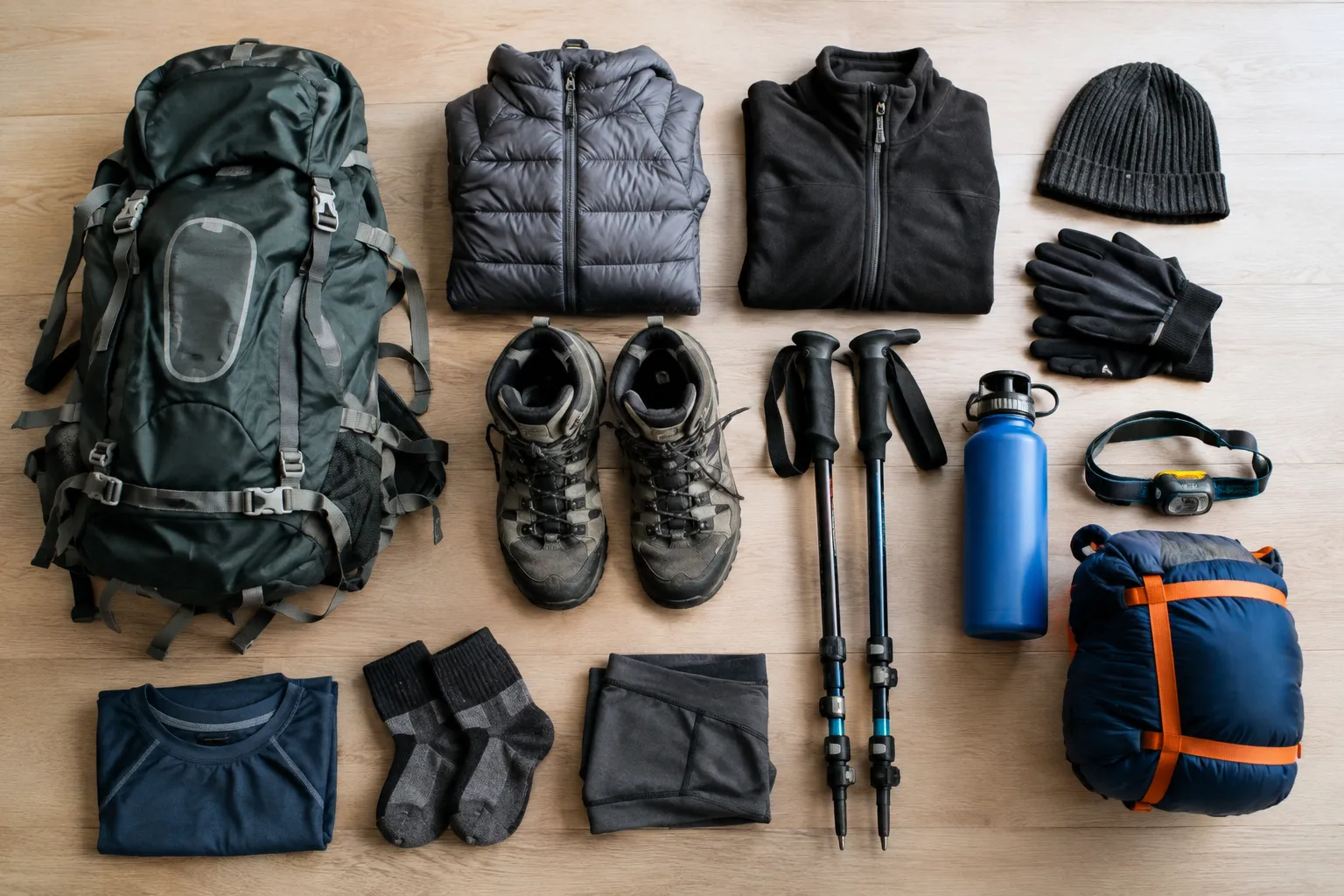
Kilimanjaro Packing List for Women | Complete Gear Guide
Book Your Sustainable Tour
Related Posts
Best Time for Women to Climb Kilimanjaro | Month-by-Month Guide
Best Time for Women to Climb Kilimanjaro: Month-by-Month Guide Choosing the best time for women to climb Kilimanjaro depends on weather, travel dates, crowd levels,
How Fit Do Women Need to Be for Kilimanjaro?
How Fit Do Women Need to Be for Kilimanjaro? One of the most common questions from first-time female climbers is: how fit do women need
Kilimanjaro Packing List for Women | Complete Gear Guide
Kilimanjaro Packing List for Women: Complete Gear Guide A good Kilimanjaro packing list for women can make a major difference to your comfort on the