Kilimanjaro Packing List for Women: Complete Gear Guide
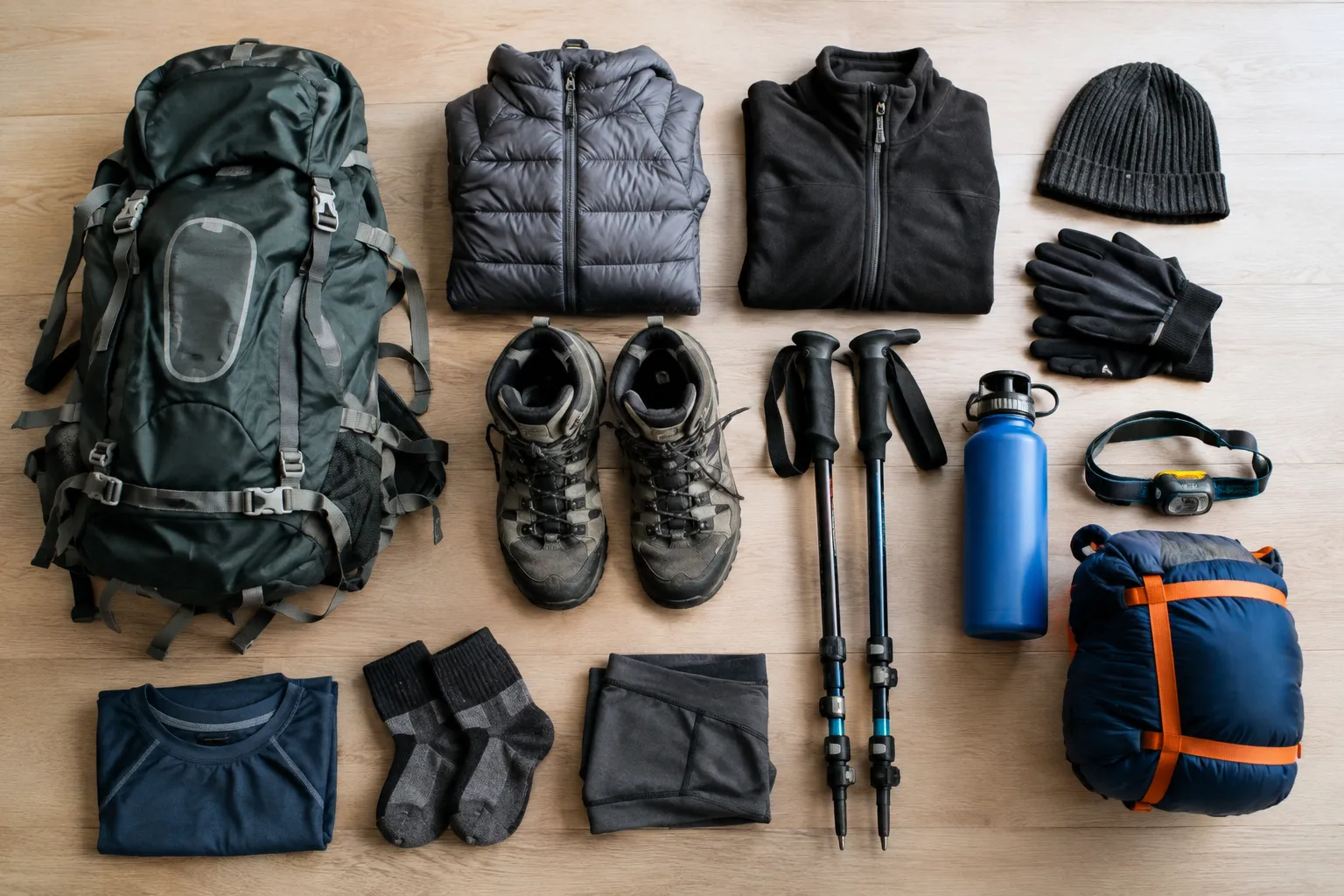
A good Kilimanjaro packing list for women can make a major difference to your comfort on the mountain. During a 7-day Machame Route climb, you can experience warm rainforest, rain, strong sunshine, cold alpine conditions, wind, and freezing temperatures near the summit.
The key is not to pack as much as possible. It is to bring the right layers, reliable hiking equipment, personal hygiene supplies, and essential items that will keep you comfortable throughout the trek.
This guide is especially useful for women joining a WomenClimbKili departure, including solo female travelers preparing for their first high-altitude adventure.
How Should Women Pack for Kilimanjaro?
Kilimanjaro requires a layering system because weather conditions change significantly as you gain altitude.
Instead of relying on one heavy jacket, you should have several clothing layers that can be added or removed depending on temperature and activity.
Your main clothing system should include:
- Moisture-wicking base layers.
- Comfortable hiking layers.
- Warm mid-layers.
- An insulated jacket.
- A waterproof outer shell.
- Warm summit-night clothing.
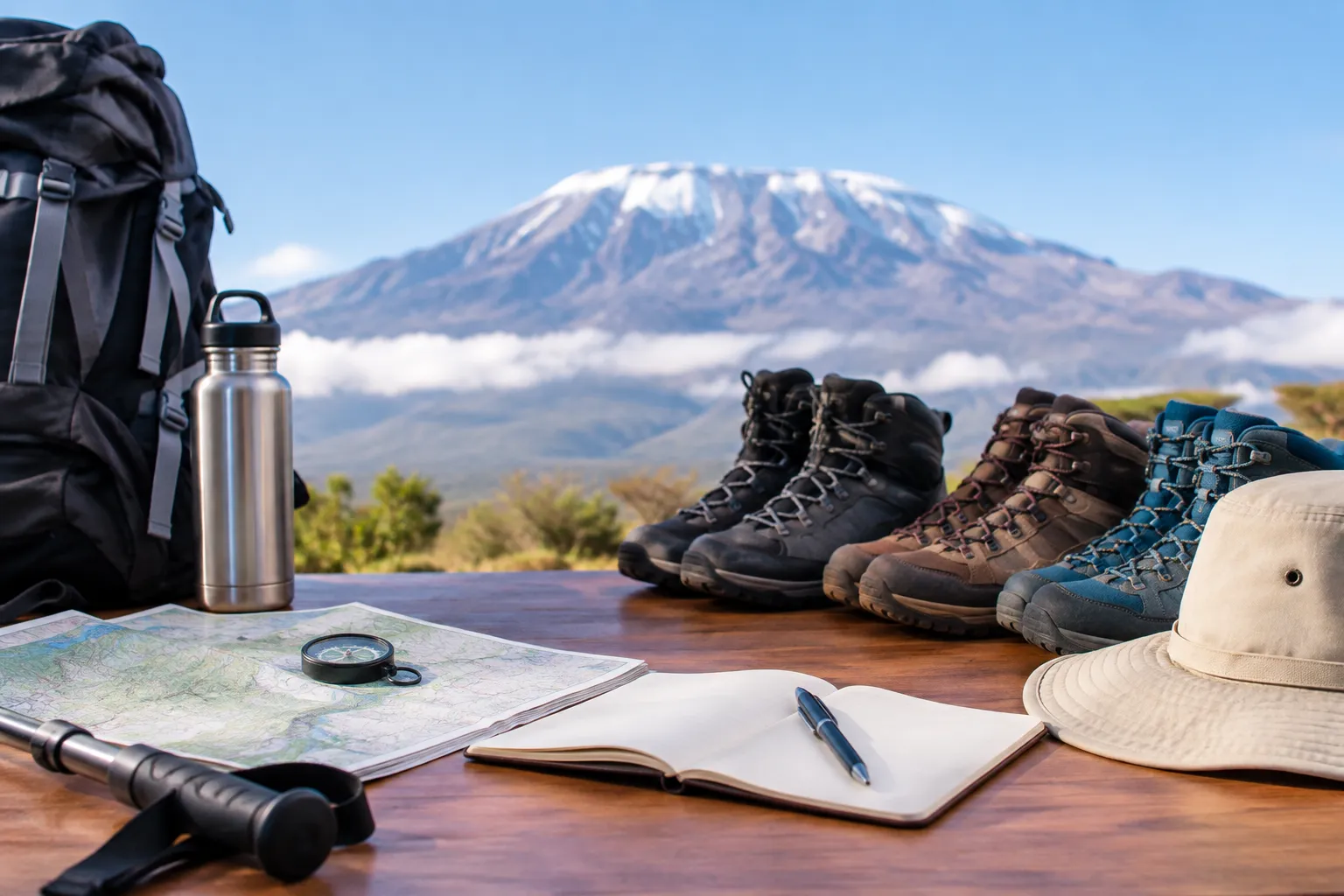
Essential Hiking Boots
Your hiking boots are one of the most important pieces of equipment you will bring to Kilimanjaro.
Choose boots that:
- Fit comfortably.
- Provide good ankle support.
- Have suitable traction.
- Are appropriate for wet and rocky terrain.
- Have already been worn during training.
Do not arrive in Tanzania with brand-new hiking boots that you have never worn on a long walk.
Breaking your boots in before the trip can reduce the risk of blisters and other foot problems.
Hiking Socks
Bring several pairs of good-quality hiking socks.
Your socks should help manage moisture and provide enough cushioning for several consecutive days of walking.
Many climbers also prefer to keep one especially warm and dry pair specifically for summit night.
Base Layers for Women
Base layers are worn directly against your skin and help manage moisture while providing warmth.
For Kilimanjaro, consider bringing:
- Long-sleeve thermal tops.
- Thermal leggings.
- Lightweight moisture-wicking hiking tops.
Avoid relying on cotton as your main technical trekking layer because it can remain wet and cold after absorbing moisture.
Mid-Layers and Fleece
A fleece or similar insulating mid-layer is useful as temperatures begin to fall at higher elevations.
You can wear it over your base layer and underneath your insulated or waterproof jacket.
Having more than one lightweight layer gives you greater flexibility than depending on one very heavy garment.
Insulated Jacket
A warm down or synthetic insulated jacket is particularly important for cold mornings, evenings at camp, and summit night.
Temperatures near the summit can be extremely cold, especially when combined with wind.
If you do not own a suitable down jacket, selected Kilimanjaro equipment can be rented locally.
Waterproof Jacket and Trousers
Weather can change quickly on Kilimanjaro.
A waterproof jacket and waterproof trousers help protect you from rain, wind, and wet conditions.
Your waterproof outer layers should be large enough to fit comfortably over your other clothing.
Hiking Trousers
Bring comfortable trekking trousers that allow you to move easily.
Quick-drying fabrics are generally more practical than heavy everyday trousers.
Some women prefer hiking trousers with useful pockets for small items such as tissues, lip balm, or snacks.
Sports Bras and Underwear
Choose sports bras and underwear that you already know are comfortable during long periods of activity.
Breathable, quick-drying materials are generally more practical for trekking.
Avoid experimenting with completely new styles of clothing during your Kilimanjaro trip.
Warm Gloves
Cold hands can make summit night unnecessarily difficult.
Many climbers use a two-layer glove system:
- A lighter inner glove.
- A warmer insulated outer glove or mitten.
Your outer gloves should provide enough warmth for freezing temperatures at high altitude.
Warm Hat and Sun Hat
You need head protection for both cold and sunny conditions.
Bring:
- A warm beanie or insulated hat.
- A sun hat or cap for lower and exposed sections of the mountain.
Sun exposure can be strong at altitude, so a hat is useful even when temperatures feel cool.
Buff or Neck Gaiter
A buff or neck gaiter is a small but useful piece of equipment.
It can provide protection from:
- Cold wind.
- Dust.
- Sun exposure.
- Cold air around your face and neck.
Sunglasses
Good sunglasses are important for protecting your eyes from strong sunlight and glare at altitude.
Choose a pair that fits securely and is comfortable to wear while hiking.
Headlamp
A headlamp is essential for Kilimanjaro.
You will use it around camp after dark and, most importantly, during the summit attempt, which normally begins at night.
Bring spare batteries or ensure that your charging system is reliable.
Trekking Poles
Trekking poles can reduce stress on your knees and improve balance on uneven terrain.
They are particularly useful during long descents after the summit.
If you do not own trekking poles, they can be rented locally.
Sleeping Bag
Kilimanjaro nights can become very cold, particularly at higher camps.
You need a sleeping bag suitable for cold mountain conditions.
A sleeping bag can also be rented through our local operations if you prefer not to carry one internationally.
Sleeping Bag Liner
A sleeping bag liner is optional but can provide extra warmth and help keep the inside of your sleeping bag cleaner.
Liners are also available for rental.
What Sleeping Equipment Is Provided?
WomenClimbKili provides:
- Two-person sleeping tents.
- Foam sleeping mattresses.
- A dining tent.
- A private toilet tent.
This means you do not need to bring your own mountain tent.
Daypack
While porters transport your main mountain duffel, you carry your own daypack while trekking.
Your daypack should contain the items you may need during the hiking day, such as:
- Water.
- Rain jacket.
- Warm layer.
- Sun protection.
- Snacks.
- Camera or phone.
- Personal medication.
- Toilet paper or tissues.
- Personal hygiene supplies.
Mountain Duffel Bag
Your main expedition equipment is packed in a duffel bag carried between camps by porters.
The porter weight allowance for your duffel is limited, so avoid bringing unnecessary items.
Our current porter limit is 15 kg for the climber’s duffel.
Duffel bags can also be rented locally if required.
Water Bottles and Hydration
Staying hydrated is important at altitude.
Bring reusable bottles or another suitable hydration system that can carry enough water during each trekking day.
Boiled drinking water is provided on the mountain.
Clients may also choose to bring their preferred water purification tablets or filters as an additional personal option.
Sun Protection
Sun exposure becomes stronger at altitude.
Your packing list should include:
- High-SPF sunscreen.
- Lip balm with sun protection.
- Sunglasses.
- Sun hat.
Apply sunscreen even when temperatures feel cold.
Personal Hygiene Items for Women
Personal hygiene is one of the areas where good preparation can make the mountain much more comfortable.
Consider packing:
- Wet wipes.
- Hand sanitizer.
- Toilet paper.
- Toothbrush and toothpaste.
- Small quick-dry towel.
- Personal soap or cleansing products.
- Deodorant.
- Moisturizer.
- Lip balm.
- Sealable waste bags.
- Any personal skincare essentials.
Keep products simple and practical. You do not need your entire normal bathroom routine on the mountain.
Menstrual Products
Even if you do not expect your period during the climb, it is sensible to bring menstrual supplies.
Travel, exercise, altitude, and changes in routine can sometimes affect your cycle.
Bring:
- Your preferred menstrual products.
- Extra supplies.
- Hand sanitizer.
- Sealable bags for used products.
Used sanitary products must be packed out rather than left on the mountain.
Personal Medication
Bring enough of any regular medication for your entire trip, plus a reasonable backup supply.
Keep essential medication accessible rather than packing everything at the bottom of your duffel.
If you have a medical condition or take prescription medication, discuss high-altitude trekking with an appropriate healthcare professional before travel.
First-Aid Items
Our mountain team carries a first-aid kit, but you should still carry a small personal medical kit for routine issues.
Depending on your personal needs, this may include:
- Blister treatment.
- Plasters.
- Personal pain relief medication.
- Any prescribed medicines.
- Personal allergy medication.
Only take medications that are appropriate for you and follow professional medical advice when necessary.
Snacks for Kilimanjaro
Meals are provided during the mountain trek, but bringing some of your favorite snacks can be helpful.
At altitude, your appetite may change, and familiar foods can be easier to eat.
Popular options include:
- Energy bars.
- Nuts.
- Dried fruit.
- Chocolate.
- Energy chews.
- Electrolyte products.
Choose snacks you have already tried during training rather than experimenting with completely new products on the mountain.
Power Banks and Electronics
There are no normal electrical outlets at mountain camps.
Bring sufficient power banks if you want to keep your phone, camera, watch, or other small electronics charged during the trek.
Some travelers also bring portable solar charging equipment, although performance can vary depending on weather and setup.
Camera and Phone
Kilimanjaro provides excellent photography opportunities, but electronics need protection from moisture, dust, and cold temperatures.
Cold can reduce battery performance, so keep important devices and spare batteries protected, particularly during summit night.
Documents to Carry
Your travel documents are just as important as your mountain gear.
Before traveling, make sure you have:
- A valid passport.
- Required visa or entry documents.
- Travel insurance details.
- Flight information.
- Emergency contact information.
- Copies of important documents.
- Any required medical information.
Keep digital copies as a backup where practical.
What Should Go in Your Carry-On Luggage?
International checked baggage can occasionally be delayed.
For this reason, your carry-on should contain items that would be difficult to replace quickly.
Consider keeping the following with you:
- Passport and travel documents.
- Medication.
- Phone and chargers.
- Important personal valuables.
- One change of clothing.
- Essential trekking items where airline rules allow.
What Should You Wear on Summit Night?
Summit night is normally the coldest part of the Kilimanjaro climb.
Your exact layering system will depend on the weather and your personal tolerance to cold, but it may include:
- Thermal base layer.
- Warm mid-layer.
- Fleece.
- Insulated jacket.
- Waterproof or windproof outer shell.
- Thermal leggings.
- Trekking trousers.
- Waterproof outer trousers.
- Warm hiking socks.
- Warm hat.
- Buff or neck gaiter.
- Inner gloves.
- Insulated outer gloves.
- Hiking boots.
- Headlamp.
Your guides will help you review summit-night clothing before you leave Barafu Camp.
What Equipment Can You Rent in Tanzania?
You do not necessarily need to purchase every piece of specialist equipment.
Our current rental options include:
- Sleeping bag – US $50.
- Sleeping bag liner – US $15.
- Trekking poles – US $20.
- Down jacket – US $25.
- Duffel bag – US $30.
Availability should be confirmed before the climb.
Gear Inspection Before the Climb
Before entering Kilimanjaro National Park, our mountain team conducts a pre-climb briefing and gear inspection.
The purpose is to check that you have the essential equipment needed for the mountain.
If something important is missing, the team can advise you before departure for the trailhead.
Common Packing Mistakes to Avoid
Some of the most common mistakes include:
- Bringing brand-new hiking boots.
- Packing too many unnecessary clothes.
- Forgetting waterproof layers.
- Underestimating summit-night cold.
- Bringing too few personal hygiene supplies.
- Forgetting spare headlamp batteries.
- Packing a duffel above the porter weight allowance.
- Keeping essential medicine only in checked luggage.
- Failing to test gear during training.
Packing for a Kilimanjaro and Safari Combination
If you are also joining the 4-day safari, you will need a few additional items for warmer conditions.
Useful safari items include:
- Lightweight clothing.
- Comfortable shoes.
- Sun hat.
- Sunglasses.
- Sunscreen.
- Camera.
- Binoculars.
You do not need to carry all of your mountain clothing with you inside the safari vehicle every day.
WomenClimbKili: 7-Day Machame Route
Our scheduled women-only trips use the 7-day Machame Route and welcome solo female travelers as well as women traveling with friends.
The climb-only package costs US $2,950 per lady and can be reserved with a US $300 deposit.
The complete Kilimanjaro climb and 4-day safari package costs US $5,350 per lady.
You can view the complete package on our
Women-Only Machame Route Kilimanjaro Package
.
When Can Women Join?
WomenClimbKili offers scheduled departures during:
- March for International Women’s Day.
- July.
- August.
- September.
- December for the New Year climb.
See our current
WomenClimbKili departure dates
.
Frequently Asked Questions
How much luggage can a porter carry for me?
Your personal mountain duffel should remain within the current 15 kg porter allowance.
Do I need to bring my own tent?
No. Two-person sleeping tents are provided as part of our Kilimanjaro package.
Do I need to bring a mattress?
No. A foam sleeping mattress is provided.
Can I rent a sleeping bag?
Yes. A sleeping bag can currently be rented for US $50.
Should I bring menstrual products even if I do not expect my period?
Yes. It is sensible to carry enough personal menstrual supplies because travel and physical activity can sometimes affect your normal cycle.
Should I buy all my gear?
Not necessarily. Some specialist equipment can be rented in Tanzania, while personal items such as hiking boots and base layers are generally better purchased and tested before travel.
Can I bring a power bank?
Yes. Power banks are useful because normal charging facilities are not available at mountain camps.
Prepare Your Gear Before You Fly
The best time to test your Kilimanjaro equipment is during training, not after you arrive on the mountain.
Walk in your boots, wear your hiking layers, test your daypack, practice using trekking poles, and make sure your clothing system keeps you comfortable in different conditions.
With the right equipment and preparation, you can focus less on your gear and more on enjoying the journey toward Uhuru Peak.
Explore the full
Women-Only Kilimanjaro Machame Route package
or view our
upcoming WomenClimbKili departures
.
Share:
Social Media
Most Popular
Celebrate Women’s Day on Kilimanjaro | A Meaningful Adventure
Best Time for Women to Climb Kilimanjaro | Month-by-Month Guide
How Fit Do Women Need to Be for Kilimanjaro?
Kilimanjaro Packing List for Women | Complete Gear Guide
Book Your Sustainable Tour
Related Posts
Best Time for Women to Climb Kilimanjaro | Month-by-Month Guide
Best Time for Women to Climb Kilimanjaro: Month-by-Month Guide Choosing the best time for women to climb Kilimanjaro depends on weather, travel dates, crowd levels,
How Fit Do Women Need to Be for Kilimanjaro?
How Fit Do Women Need to Be for Kilimanjaro? One of the most common questions from first-time female climbers is: how fit do women need
Kilimanjaro Packing List for Women | Complete Gear Guide
Kilimanjaro Packing List for Women: Complete Gear Guide A good Kilimanjaro packing list for women can make a major difference to your comfort on the