 25 Nov 2026
 11 min read
The hardest part of a Mount Kilimanjaro climb is usually the overnight summit ascent and the long descent that follows. The primary challenge is the combination of high altitude, cold, accumulated fatigue, and hours of slow walking—not simply the distance to the top.
Summit Day Is Usually the Hardest Part of Kilimanjaro
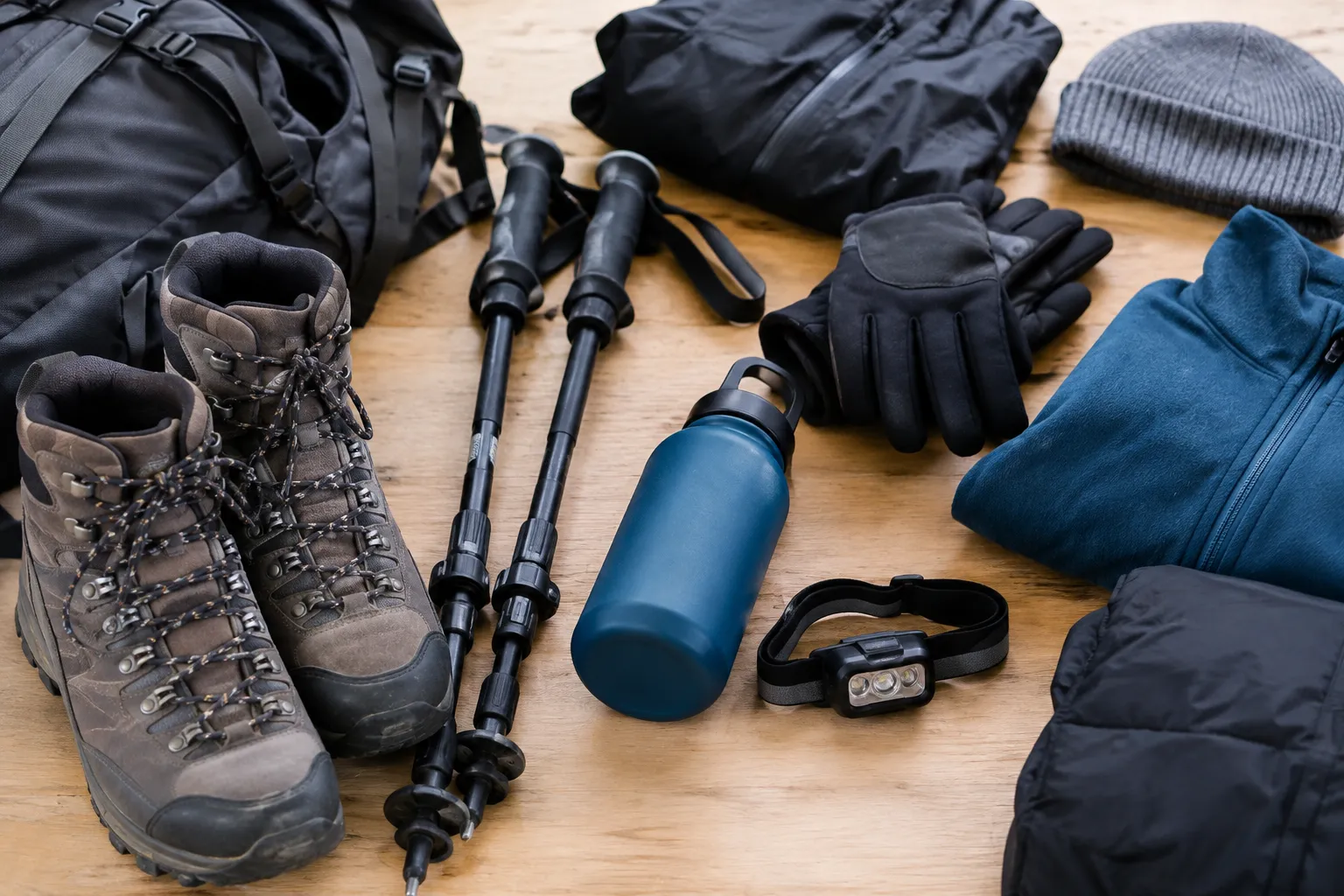
The overnight summit push is usually the most demanding part of Kilimanjaro, although long days earlier in the route can also be tough. The exact experience varies with altitude response, conditions, route, and fatigue.
How the summit ascent and descent unfold
Summit day generally begins with a night departure from a high camp, followed by a slow ascent toward the summit. After the summit attempt, climbers descend to a lower camp, so the day involves both gaining and losing elevation. The precise schedule and camp locations depend on the route and itinerary.
Starting at night means much of the ascent happens in darkness, with climbers moving by headlamp. That can make it harder to judge progress: the next stretch of trail may be visible, but the summit can remain out of sight. The effort does not end at the top. The descent adds more walking when many climbers are already tired.
As a practical planning point, look beyond the headline number of days when comparing a Kilimanjaro climbing guide or itinerary. Ask where summit night starts, how the following descent is organized, and what happens if a climber needs to stop or go down. TANAPA describes typical climbs as lasting five to eight days and lists the mountain’s climbing routes on its Kilimanjaro National Park page. A route’s total duration matters, but the summit-day sequence matters too.
Why summit day can feel harder than other route days
Summit day combines several demands: a night start, high elevation, a slow pace, cold conditions, and a long descent. Other days can still be strenuous, particularly when they involve prolonged walking or challenging terrain, but the summit push concentrates many of the climb’s hardest features in one period.
People asking “is Mount Kilimanjaro hard to climb?” often picture a single steep uphill walk. In practice, the challenge is spread across multiple days, and the hardest day is influenced by what came before it. Poor sleep, sore legs, or a difficult response to altitude can make a familiar walking pace feel unusually demanding.
That is why “how long to climb Kilimanjaro” is more than a calendar question. The itinerary affects how the walking days are arranged and how much time is available for acclimatization. A longer trip still cannot promise a summit, but it gives you a fuller picture of the climb than focusing only on the final push.
What Makes the Overnight Summit Push So Demanding
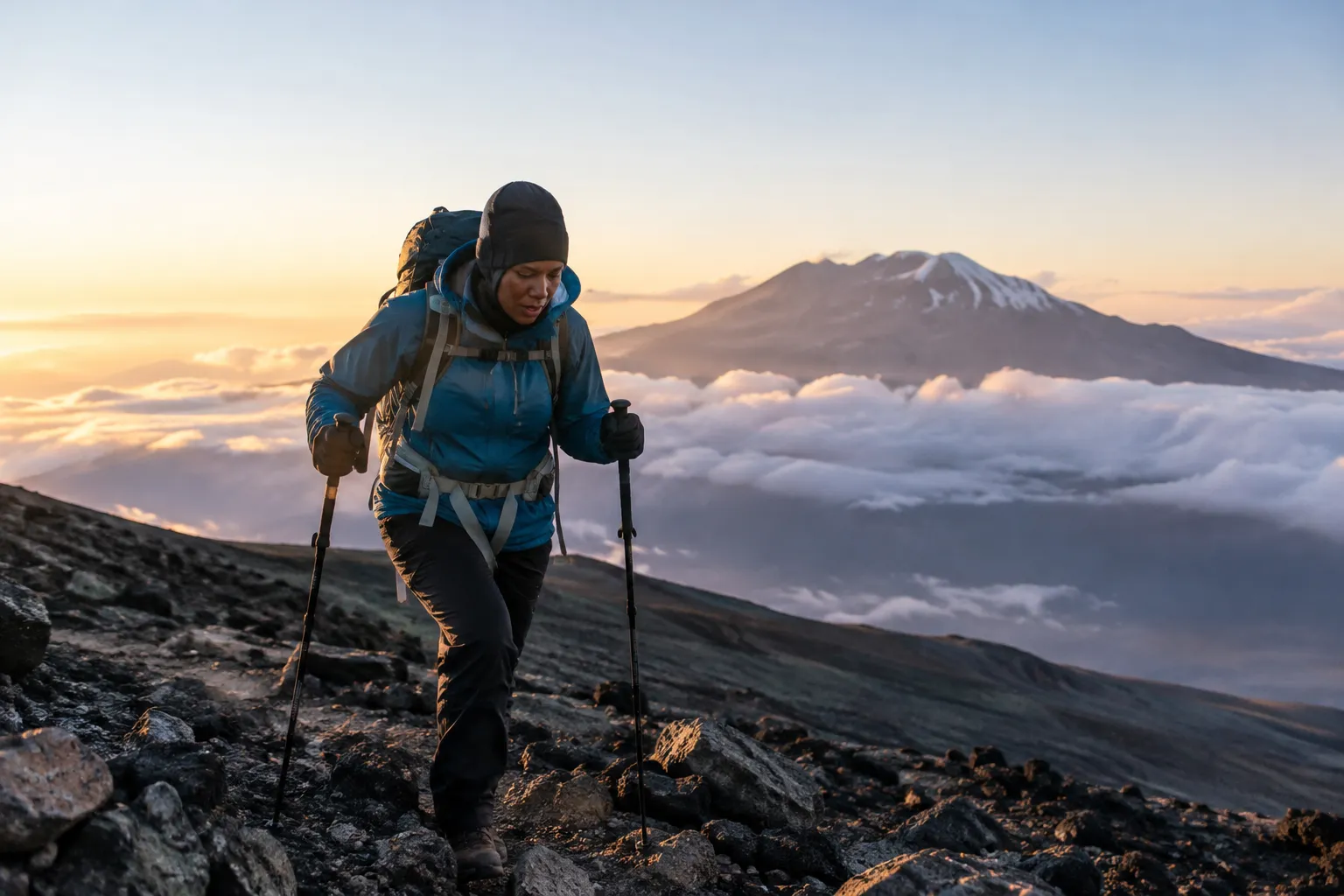
The overnight summit push is hard because altitude, cold, fatigue, difficult footing, and a deliberately slow pace can compound each other. Which factor feels most challenging varies from climber to climber.
Altitude and reduced oxygen
At high elevation, less oxygen is available with each breath than at sea level. That can make breathing and movement feel more demanding, even when you are walking slowly. Kilimanjaro’s summit is at about 5,895 meters, according to the park authority, and that elevation makes acclimatization and careful attention to how you feel central parts of the climb. The CDC explains altitude illness and the value of gradual acclimatization in its guidance on high-altitude travel and altitude illness.
Fitness can help prepare your body for sustained walking, but it does not predict exactly how you will respond to altitude. Two people with similar training may feel very different at the same elevation. Do not treat a strong pace at home—or feeling well on an earlier day—as proof that you will be unaffected later.
Talk with a qualified medical professional about your own health and whether high-altitude travel is appropriate for you. If symptoms appear on the mountain, report them honestly to your guide rather than trying to self-diagnose or hide them.
Cold, terrain, and fatigue
Summit night can bring cold and wind, and exposed conditions may feel more severe when you are moving slowly or pausing. Footing can also be demanding, especially on steep or loose sections. A slip or stumble is more likely to become a concern when you are tired, so take care with each step and follow your guide’s directions.
Your legs have already done several days of walking before the summit attempt. Even manageable soreness can make an ascent feel longer, while the descent calls on tired muscles in a different way. This is one reason preparation should include sustained walking, not only short bursts of intense exercise.
Bring clothing suited to cold and changing conditions, and ask an operator to clarify what gear you are responsible for bringing. Check your own kit before departure: fit, layers, footwear, and how you will carry essentials matter when you are moving for hours. Do not assume that every climbing package includes the same gear.
The mental effort of a slow night climb
A slow pace is part of the challenge, not a sign that you are falling behind. During a dark, long ascent, visible landmarks may be limited and progress can feel gradual. Staying patient through repeated short sections requires attention and persistence, especially after days of walking and disrupted sleep.
It can help to think in terms of the next manageable stretch rather than trying to judge the whole night at once. Follow your guide’s pace and instructions, drink and eat according to the plan you have agreed on, and speak up if you feel unwell. A steady group rhythm is more useful than trying to prove your fitness by walking faster.
The climb is not an individual test of willpower. If continuing becomes unsafe, reaching the summit is not a reason to ignore symptoms or a guide’s advice to descend.
How Route Length and Acclimatization Shape the Climb
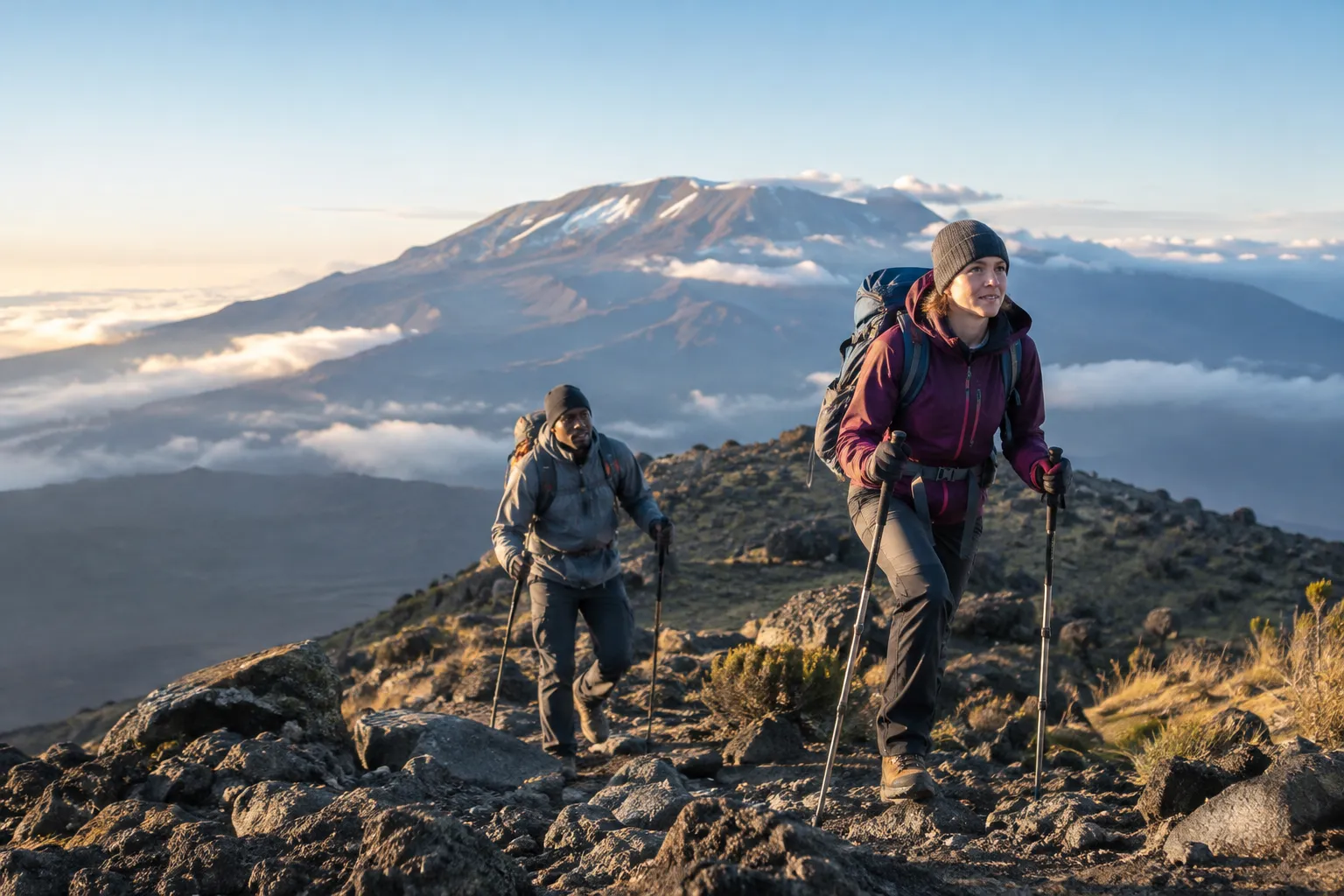
Route length shapes the number and arrangement of walking days, while acclimatization time affects how the climb unfolds; neither guarantees that a person will reach the summit. Compare the whole itinerary, not just the number of days.
TANAPA lists several routes and describes typical climb durations of five to eight days. Routes differ in their approach and schedule, so ask for the complete day-by-day plan. Look for the planned walking days, overnight locations, summit start, and descent—not just the total number of nights. The TANAPA visitor guide also provides official information about access gates, route and accommodation arrangements, entry-fee categories, and visitor guidance.
More days on the mountain may allow more time for acclimatization, but the number alone does not tell you how the itinerary is structured. Ask the operator to explain where the schedule includes opportunities to adjust to elevation and what the team does if a climber develops symptoms. Also ask whether the itinerary’s proposed pace matches your experience and preparation.
When comparing guided climbs, assess the total trip as well as the route. Include the climb’s stated inclusions, park fees, tips, gear, international flights, and any nights or transport outside the climb when budgeting. These costs may be handled separately, so ask for a clear breakdown rather than assuming one quoted figure covers everything.
Arrival timing is part of practical preparation, too. Allow room in your travel plan to sleep before starting the climb, and review your flight connections and baggage arrangements in advance. A tight connection or a long travel day can leave you starting the trip tired; a rest plan helps you avoid treating the climb’s first walking day as recovery time.
How to Prepare and Make Safe Decisions on the Mountain
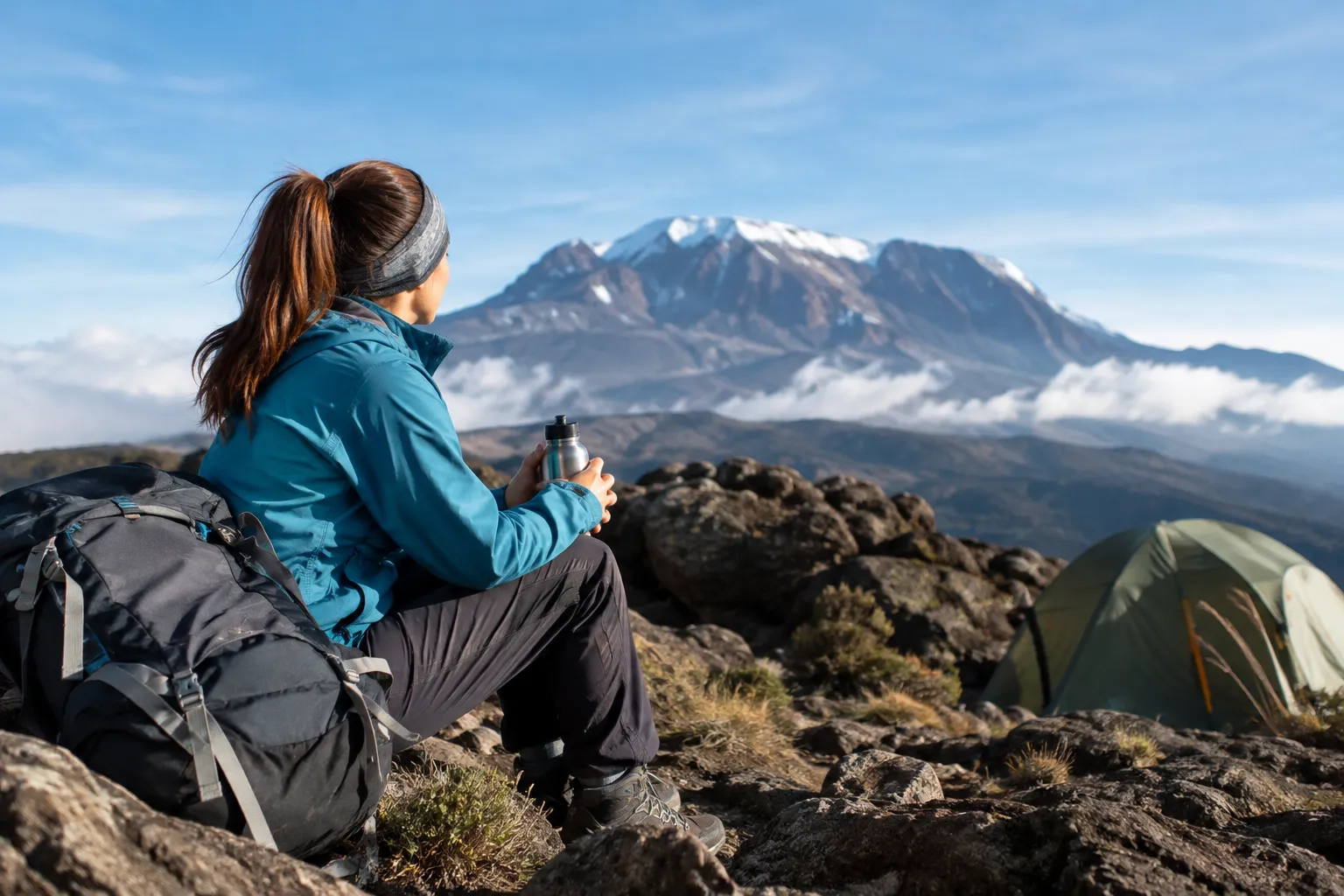
Prepare for repeated walking, bring suitable gear, and agree in advance how health concerns will be reported and acted on. On the mountain, honest communication and a willingness to descend matter more than trying to force a summit.
Prepare for long walking days and summit conditions
Build endurance gradually with walking or hiking that increases the time you spend moving. Include lower-body and core strength work if it suits your fitness plan, but do not rely on gym training alone: the climb requires sustained walking over successive days. Practice with the footwear and pack you intend to use so you can identify fit or comfort issues before departure.
Prepare for cold and variable conditions by checking your clothing layers, footwear, and headlamp setup. Ask the operator what is included and what you must supply, including any equipment used during the overnight summit attempt. A written gear list is more useful than a broad assurance that you will be prepared.
Leave time to arrive, rest, and sleep before the climb starts. If flying from the United States, check your full itinerary and baggage rules—including any transfer where you may need to collect and recheck a bag. For trip planning, consult the CDC’s Tanzania traveler guidance for destination-specific health recommendations, including vaccine, medicine, malaria, and yellow-fever entry guidance. Discuss your own health needs with a qualified professional before travel.
Follow health checks and speak up early
Ask how guides check on climbers’ health, what symptoms they want you to report, and how the team responds when someone feels unwell. Answer questions accurately, even if you are worried that reporting a problem could end your summit attempt. Hiding symptoms makes it harder for the guide team to make informed decisions.
During a climb, follow the guide’s instructions and the agreed health-monitoring process. A guide’s role is not a promise of a particular outcome; altitude and individual responses remain unpredictable. Ask the operator how guides communicate concerns, what support is available if a climber needs to descend, and how the group is managed when one person cannot continue.
Before booking, ask specific questions rather than relying only on broad claims about safety. Request a day-by-day itinerary, an explanation of the health-check process, and a clear account of what support is planned for the summit push and descent. If you are evaluating Mount Kilimanjaro climbing tours, compare the answers alongside the route, duration, inclusions, and total costs relevant to your trip.
Accept that turning back can be the right choice
Turning back is appropriate when a climber’s symptoms or condition make continuing unsafe, or when a guide advises descent. The summit is not worth overriding serious concerns about health.
Decide before the climb that you will report how you feel honestly and follow safety instructions, even if that means stopping short. Ask in advance how the guide communicates a decision to descend and what happens next for the climber and the rest of the group. Knowing the process can make a difficult decision easier to understand in the moment.
Park rules also matter. TANAPA’s mountain-climbing regulations set out requirements for climbers, reporting injuries, handling waste, and children’s access to higher elevations. Read the rules that apply to your trip and follow your guide’s directions.
Questions to Ask an Operator About Summit-Day Support
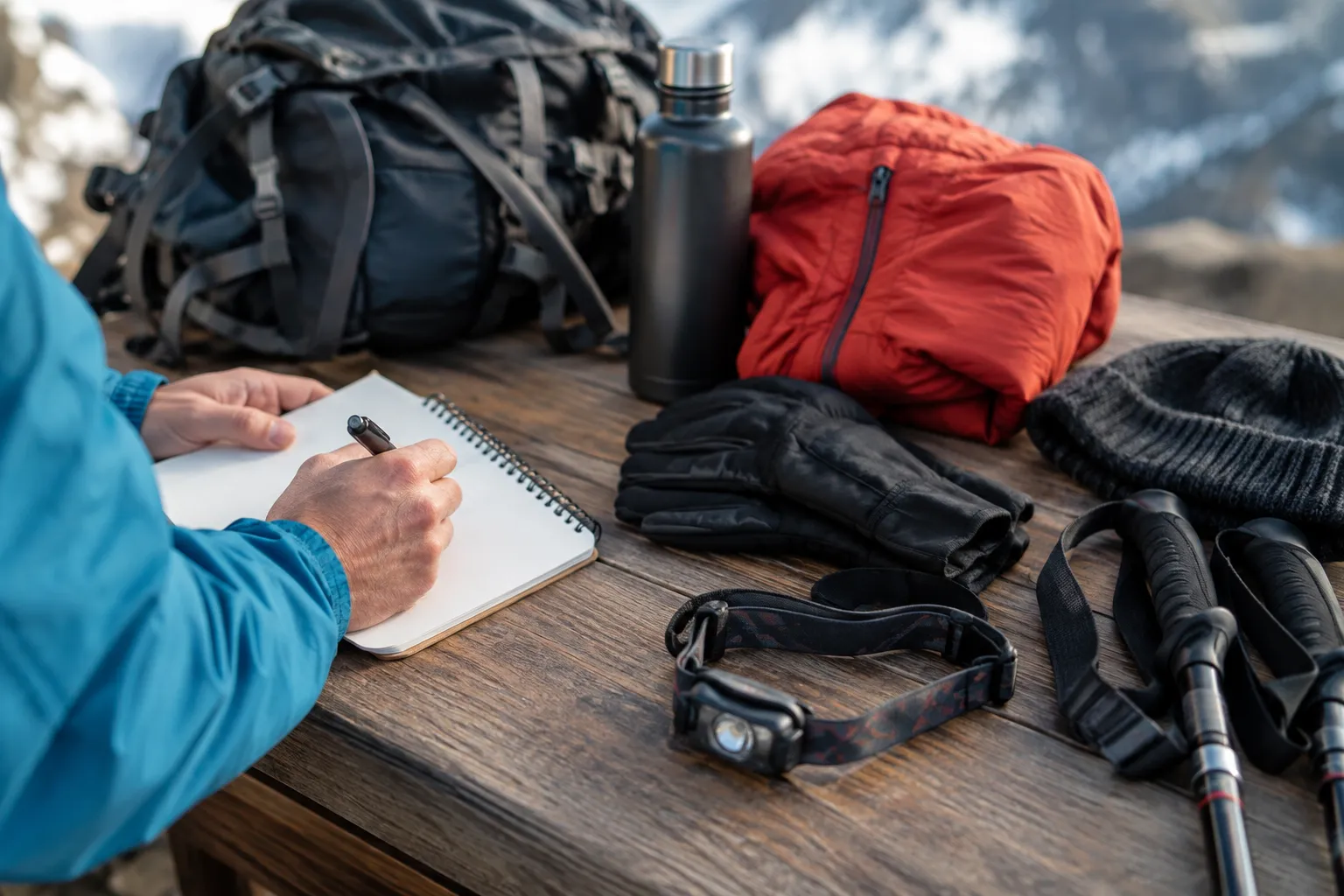
A useful operator conversation should establish how the itinerary supports acclimatization, how guides monitor climbers, and how summit-day concerns are handled. Ask for specific procedures, not just general assurances.
Use these questions when comparing guided climbs:
- Which route and day-by-day itinerary are you proposing, and where does the summit push begin?
- How does the itinerary allow time for acclimatization?
- How do guides check on climbers’ health, and what should I report?
- What happens if a climber feels unwell during the summit ascent?
- How is the decision made to turn around or descend?
- What gear and services are included, and what should I budget separately?
- What is the tipping guidance, and how is it communicated to climbers?
- What is the group arrangement, and how are different walking paces handled?
Clear answers help you compare cost and support on equal terms. Ask for inclusions and exclusions in writing, including park fees, accommodation arrangements, gear, meals, transport, and tips where applicable. A low headline price does not show what is included; a higher one does not automatically establish value. Compare the practical details of the itinerary and team support.
For ethical checks, ask how porter welfare is addressed and whether the operator is a KPAP Partner Company. KPAP partnership is a specific point to verify when researching an operator; do not treat general statements about responsible tourism as a substitute for checking the partnership itself. Also ask how porter treatment and tipping are explained to climbers.
Kilimanjaro Climb FAQs
These short answers address common planning questions about the hardest day, climbing duration, preparation, and trip costs.
Why climb Kilimanjaro at night?
The summit ascent commonly starts at night as part of the climb’s summit-day schedule. It means much of the approach is walked in darkness, so prepare for a headlamp, cold conditions, and a slow pace.
How many days does it take to get up Kilimanjaro?
TANAPA describes typical climbs as lasting five to eight days. The route and itinerary determine how those days are arranged, so check the day-by-day plan rather than relying on duration alone.
Is climbing Kilimanjaro harder than a marathon?
They are different challenges: a marathon is a sustained running event, while Kilimanjaro involves multiple days of walking at high altitude and an overnight summit push. Which feels harder depends on a person’s experience and response to altitude.
How much does it cost to climb Kilimanjaro?
The total cost depends on the operator, itinerary, inclusions, and expenses outside the guided climb. Compare park fees, tips, gear, airfare, and any extra accommodation or transport as separate budget items.
Is 50 too old to climb Kilimanjaro?
Age 50 alone does not determine whether someone can climb Kilimanjaro. Fitness, health, preparation, and individual response to altitude all matter; discuss your circumstances with a qualified medical professional.
How many people climb Kilimanjaro each year?
The annual number varies, and a current figure should come from an up-to-date park authority source. For trip planning, the more useful questions are whether your departure is private or shared and how the operator manages its group.
Recommended next steps
To judge whether the hardest day is manageable for you, compare the itinerary, your preparation, and the operator’s support procedures before committing. Use the answers to make a practical plan rather than treating a summit as guaranteed.
- Choose a route and request its complete day-by-day itinerary, including the summit start and descent.
- Compare the schedule’s duration and acclimatization plan, then ask how guides respond to health concerns.
- List the quoted inclusions and separately budget for fees, tips, gear, flights, and any additional travel costs.
- Check your training, footwear, clothing, arrival timing, and baggage connections against the itinerary.
- Ask how porter welfare is addressed, verify any KPAP partnership, and decide in advance that you will follow safety advice even if it means turning back.