 8 Nov 2026
 4 min read
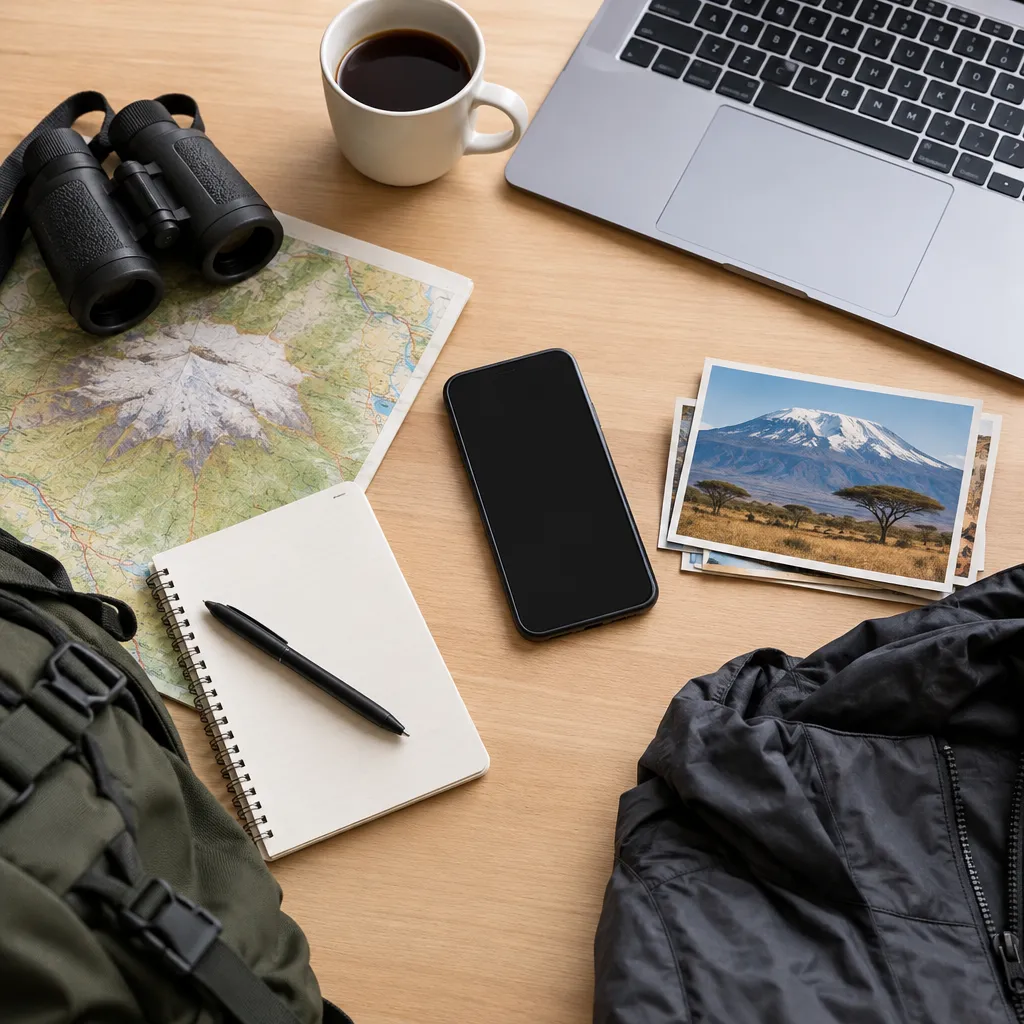
1. Check operator legitimacy and read reviews for specific evidence
Choose an operator whose local operations and detailed reviews you can assess, not one that relies only on polished marketing. The criteria here are practical checks you can compare in writing; no review or website alone establishes how a climb will run.
Look for specific accounts of communication, logistics, and how problems were handled. Ask about Kilimanjaro permits and the arrangements tied to them. For an overview of what guided climbs involve, see Mount Kilimanjaro climbing tours. Reviews can be useful, but they may not represent every traveler’s experience.
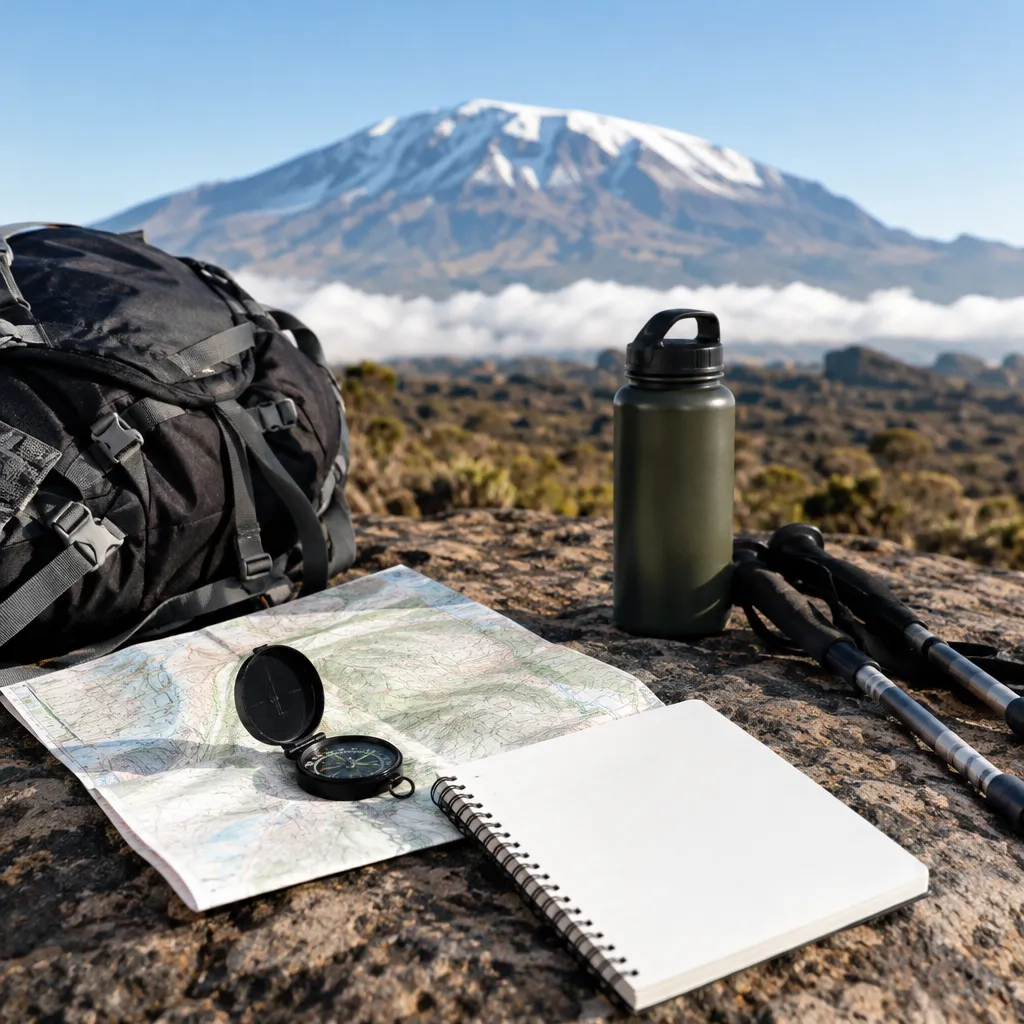
2. Compare route choice, itinerary length, and acclimatization time
Compare the full itinerary—not just the route name—because daily stages and time on the mountain affect the shape of your climb. Choose a route and schedule that match your available days and your approach to altitude, while recognizing that acclimatization does not guarantee a particular outcome.
TANAPA describes typical climbs as five to eight days and lists the park’s climbing routes in its Kilimanjaro National Park visitor information. Ask operators to show each day’s route, elevation profile, and overnight location so you can compare like with like. For a wider overview of route options and preparation, review how each itinerary fits your schedule; a longer option also requires more time away.
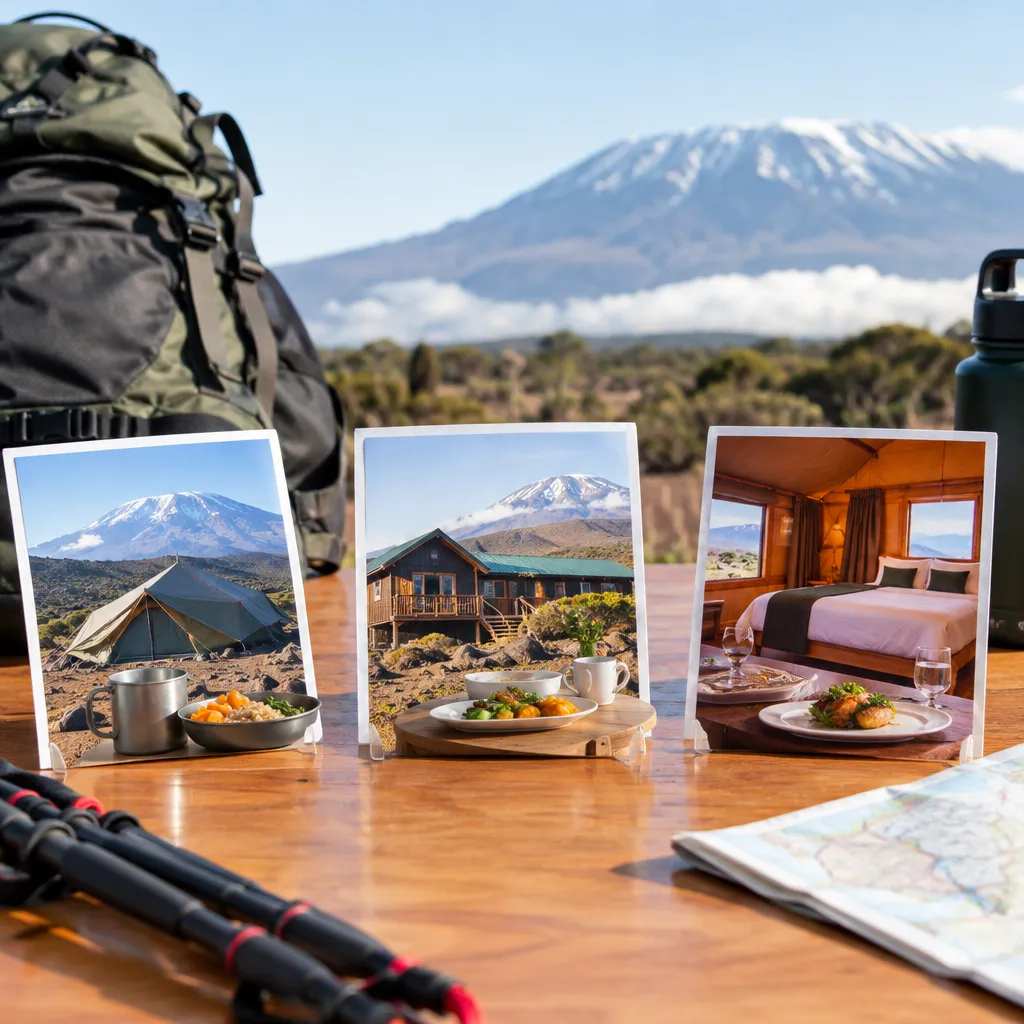
3. Confirm exactly what the climb price includes
Request an itemized list of what the quoted climb price covers and what you must arrange or pay separately. This makes it easier to compare the real cost of each itinerary, rather than choosing based on a headline figure.
Ask specifically about meals, camping or hut arrangements, transfers, park fees, equipment, and any services before or after the climb. TANAPA’s visitor guide explains park entry-fee categories and visitor arrangements; check how the operator accounts for applicable fees. Also ask what gear is supplied, what you must bring, and whether tips, flights, and accommodation outside the climb are excluded.
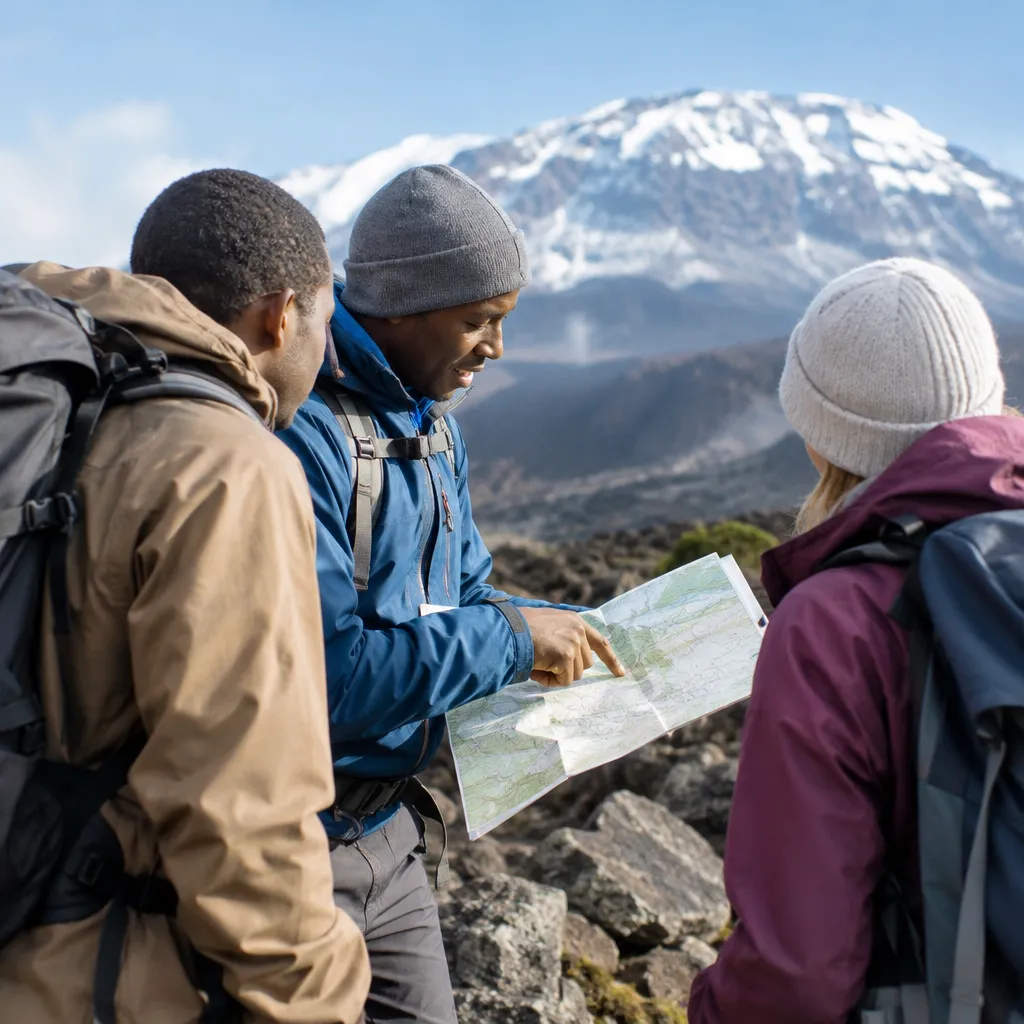
4. Verify guide qualifications and the mountain safety plan
Ask who leads the climb, what relevant qualifications and training the guides hold, and how the team monitors altitude and responds to illness. A credible answer describes procedures and responsibilities, not a promise that everyone will reach the summit.
Request details on health checks, decisions to descend, communication on the route, and evacuation arrangements. The CDC’s high-altitude travel guidance explains acclimatization and signs of altitude illness; use it to prepare questions, not to self-diagnose. Discuss your own health and fitness with a qualified medical professional before planning a high-altitude trek.
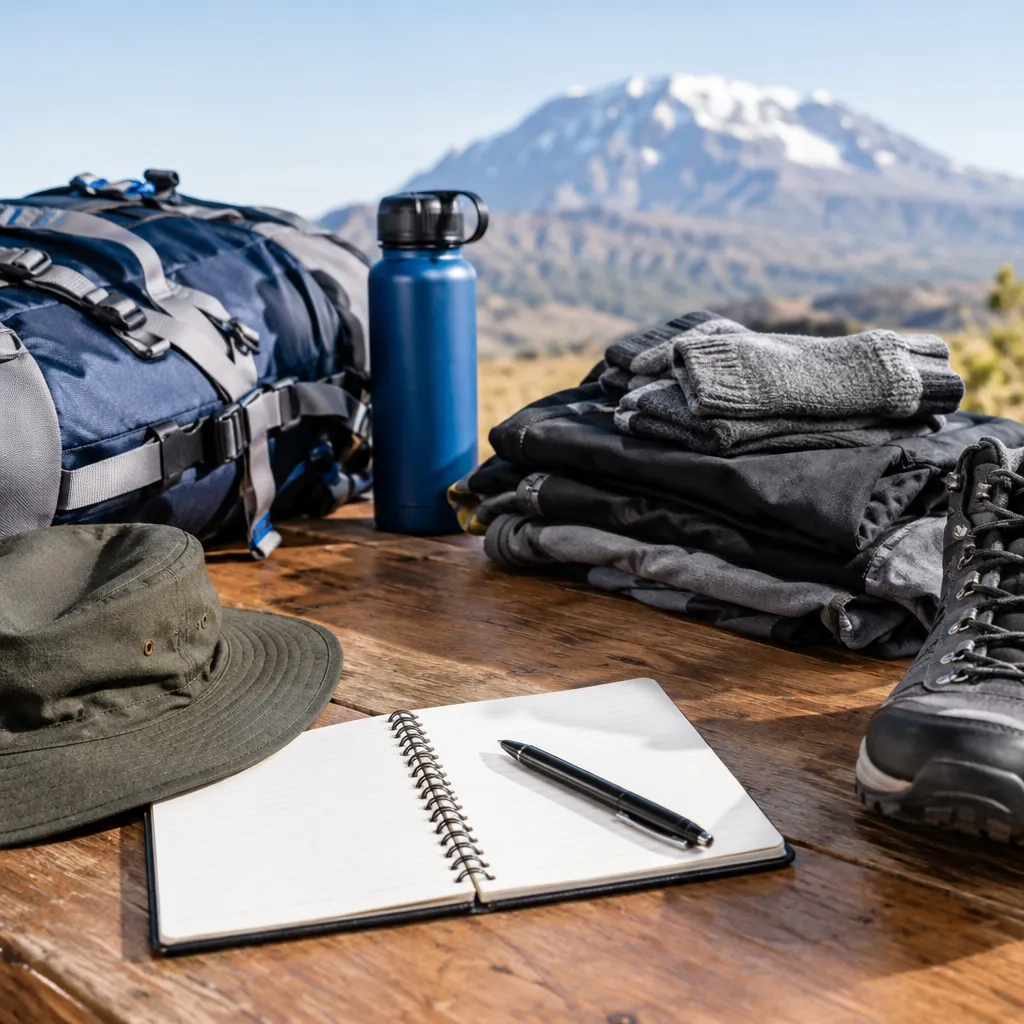
5. Ask how the operator protects porter welfare
Ask for concrete details about porter pay, loads, meals, sleeping arrangements, and working conditions, then check whether the operator follows recognized porter-welfare standards. These questions help distinguish specific practices from broad ethical language.
Eco Africa Climbing is described as a KPAP Partner Company. Ask what that partnership means for the crew on your particular climb and how porter welfare is managed day to day. Do not assume that a membership label answers every question about pay, treatment, or conditions; request clear, practical explanations.
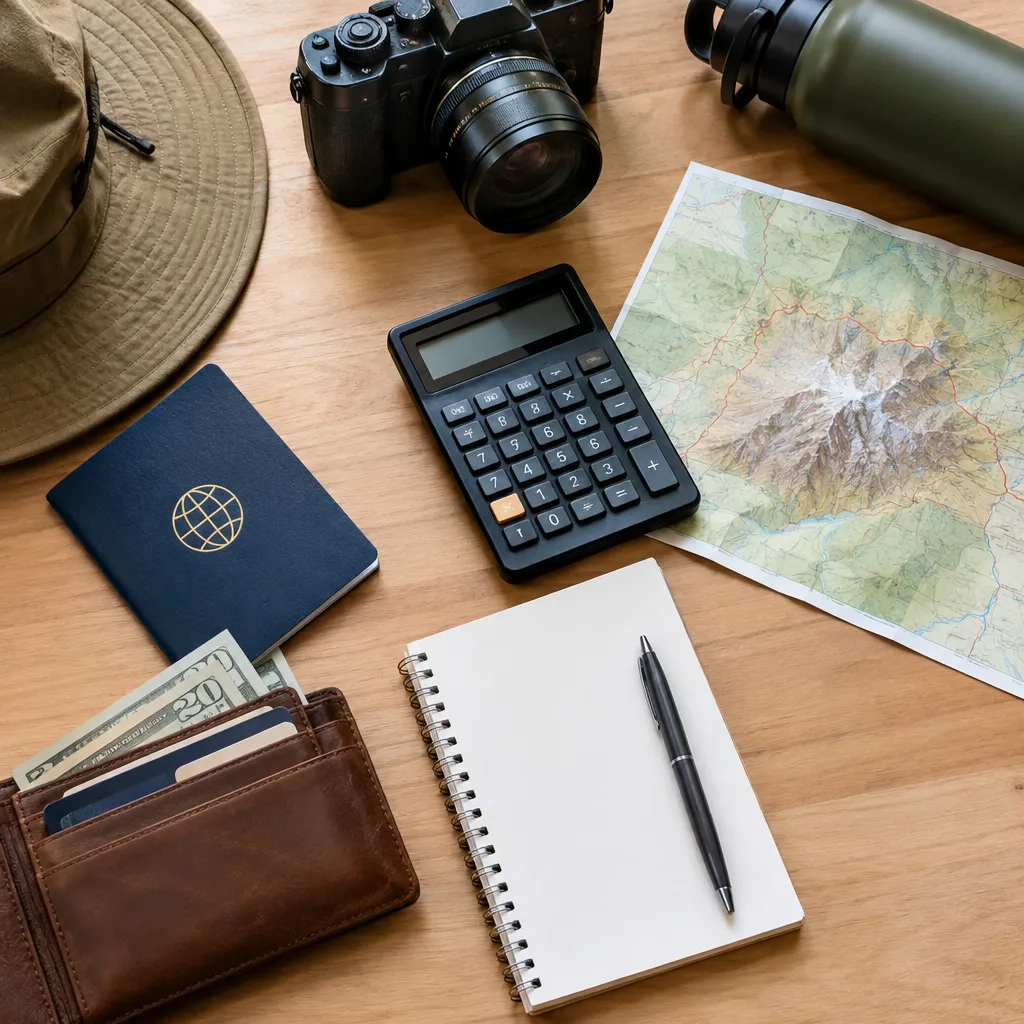
6. Review the full cost, deposit, and cancellation terms
Get the total price, payment schedule, deposit conditions, and cancellation terms in writing before paying. A lower quote may leave out costs, while a larger deposit or strict cancellation rule may affect how much financial risk you take.
Check when each payment is due, whether any charges can change, and what happens if you cancel, reschedule, or the operator changes plans. Ask how refunds are calculated and whether fees are retained. Compare the written terms across operators; do not rely on verbal assurances or assume that park fees, tips, gear, or airfare are included.
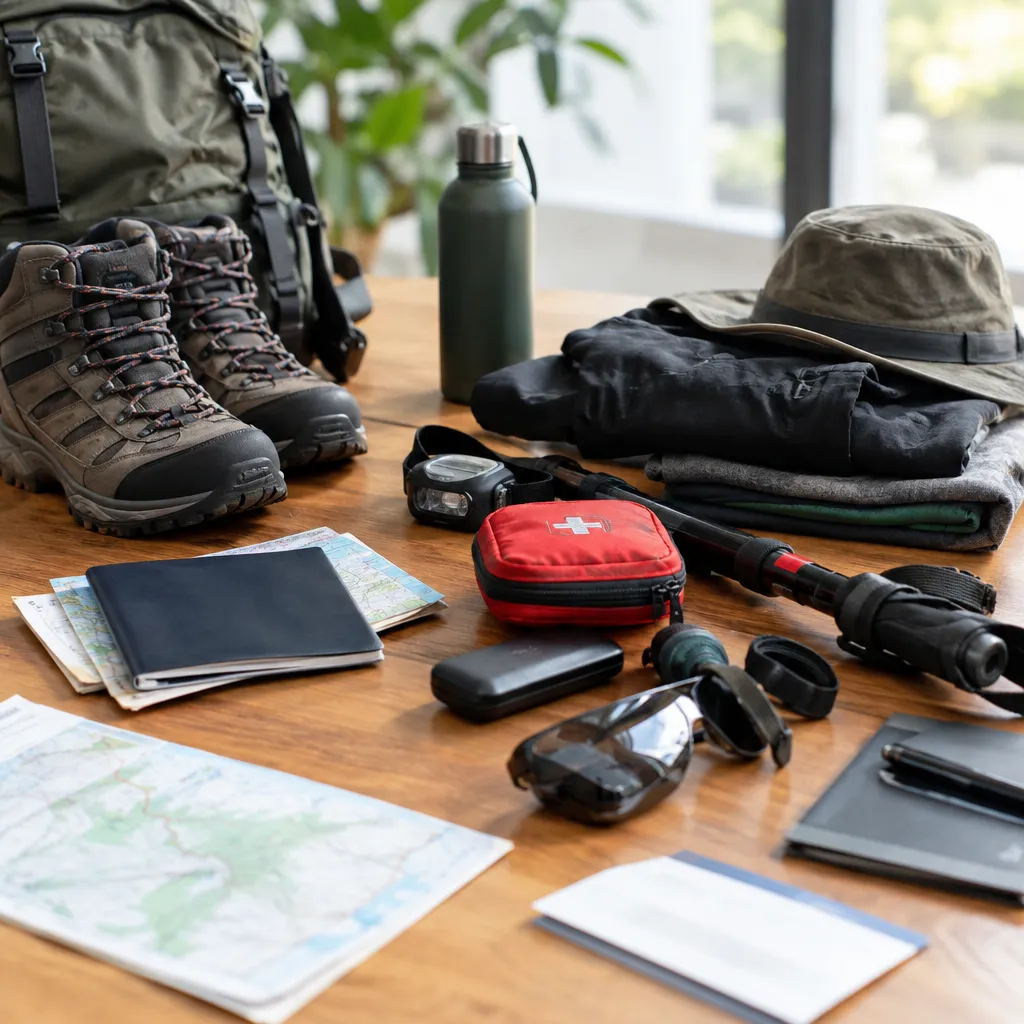
7. Prepare travel documents, gear, fitness, and insurance
Prepare your entry documents, packing plan, training, and insurance before booking flights, and confirm the current requirements for your circumstances. The practical limit is that entry rules, health guidance, and insurance coverage can vary by traveler and policy.
Check Tanzania’s current CDC destination guidance for vaccine, medicine, malaria, and yellow-fever information. Ask the operator for a gear list and clarify what is supplied versus what you must pack. Build hiking and fitness preparation gradually, plan time to rest and sleep after travel, and verify that your insurance covers trekking at altitude and evacuation. A qualified medical professional can advise on your personal health needs.
8. Send these questions before requesting your itinerary
Send a short, written set of questions that lets you compare the route, total cost, safety arrangements, and booking terms side by side. This is useful whether you are considering a private climb or a group option; the limitation is that an itinerary still cannot promise a summit outcome.
Ask:
- Which route and daily schedule do you recommend for my available dates, and how much time is built in for acclimatization?
- What is included in the price, and what costs should I budget for separately?
- Who leads the climb, how are altitude and illness monitored, and what evacuation procedures apply?
- How are porter pay, loads, meals, and accommodation managed?
- What are the deposit, payment, cancellation, and rescheduling terms?
- What gear is supplied, and what should I arrange before travel?
Recommended next steps
Choose your next move by comparing written details rather than relying on a headline price or general assurances.
- Shortlist operators and compare specific Kilimanjaro operator reviews for communication, logistics, and problem handling.
- Match the proposed route and itinerary length to your available days and acclimatization questions.
- Reconcile the itemized climb price with separate costs such as flights, tips, gear, and any extra accommodation.
- Read the safety, porter-welfare, deposit, and cancellation explanations, and follow up on anything unclear.
- Send the questions above to your shortlisted operators and compare their written itineraries before booking.