 16 Nov 2026
 8 min read
A realistic kilimanjaro climb itinerary with arrival and recovery days gives you time to reach Tanzania, rest before the trek, complete your chosen route, and recover before flying home. Build the calendar around the mountain days first, then add travel buffers rather than squeezing them out.
Build your Kilimanjaro itinerary around the climb
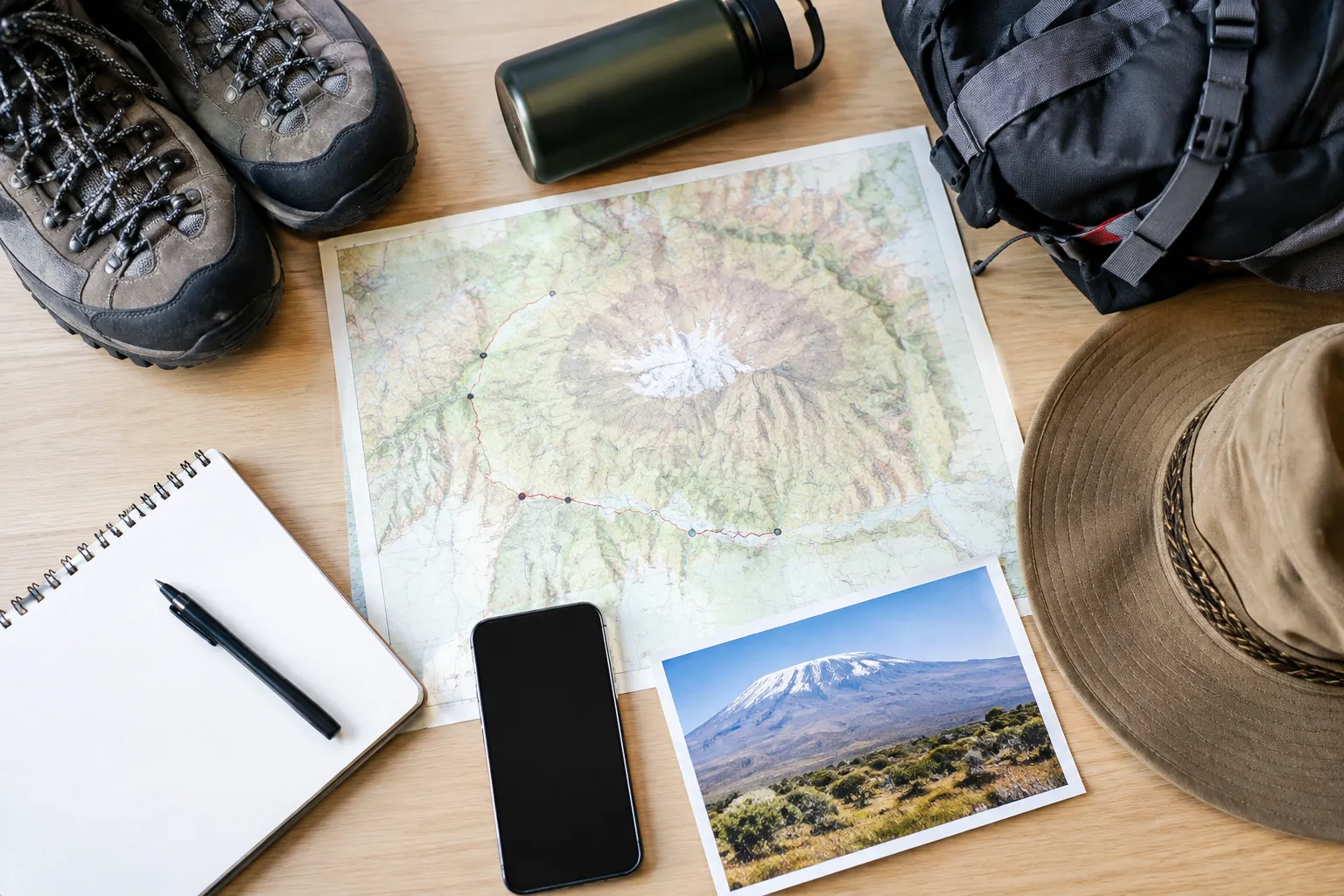
Plan the trip in four parts: arrival and preparation, the climb, recovery, and onward travel. The route determines the time on the mountain; your flights and preferred pace determine how many additional days to allow.
Arrival day and pre-climb buffer
Arrive in Tanzania before the trek begins, then leave time to transfer, sleep, and prepare. A buffer day between arrival and the trailhead can give you room to manage a delayed flight, a missed connection, or baggage that needs to catch up.
Use the time before the climb for practical tasks: confirm the pickup and departure arrangements, organize your gear, and get a full night’s sleep. If your journey involves collecting and rechecking baggage during a connection, include that possibility in your flight plan. Avoid treating arrival day as a trekking day, especially after a long journey.
For a first climb, allow at least one day between landing and the start of the route when your schedule permits. More time may suit travelers with complicated connections or those who want a slower start. The right buffer is not a promise against travel disruption; it is room in the itinerary to respond without immediately putting the climb at risk.
Trek days and time on the mountain
Count the full route from its trailhead to the descent and park exit, not only the summit push. The number of days varies by route and itinerary, so compare the actual day-by-day plan before booking transport home or arranging a safari.
Tanzania National Parks describes Kilimanjaro as a mountain with multiple peaks and climbing routes, and notes that climbs typically take five to eight days. Its Kilimanjaro National Park overview is a useful reference for the park’s elevation, routes, and general duration. Some itineraries extend to nine days, while shorter options are also offered; route and schedule details matter more than a headline day count.
The park day is not finished at the summit. Your plan needs to account for the descent and the route back to the park exit, then the transfer away from the mountain. For a broader overview of how long a Kilimanjaro climb takes, compare the total mountain days with the time you will spend traveling before and after them.
Recovery day and onward travel
Keep a recovery day after the climb before a long flight or a safari departure. You may feel tired after several trekking days and a summit push, so a tight connection can leave little room to rest or handle a change in plans.
If you are adding a safari, decide whether you want to travel onward the day after the climb or rest first. The latter uses more vacation time, but separates strenuous trekking from another active part of the trip. For an international departure, check the climb’s planned finish and your flight time together; do not assume that reaching the park exit means you are ready to board a long-haul flight that same day.
A simple calendar helps reveal hidden travel days:
- Arrival and transfer to your pre-climb base.
- A preparation and rest buffer before the climb.
- The route’s full trekking schedule, including descent and park exit.
- Recovery time, followed by a safari or the journey home.

How route and climb duration change the schedule
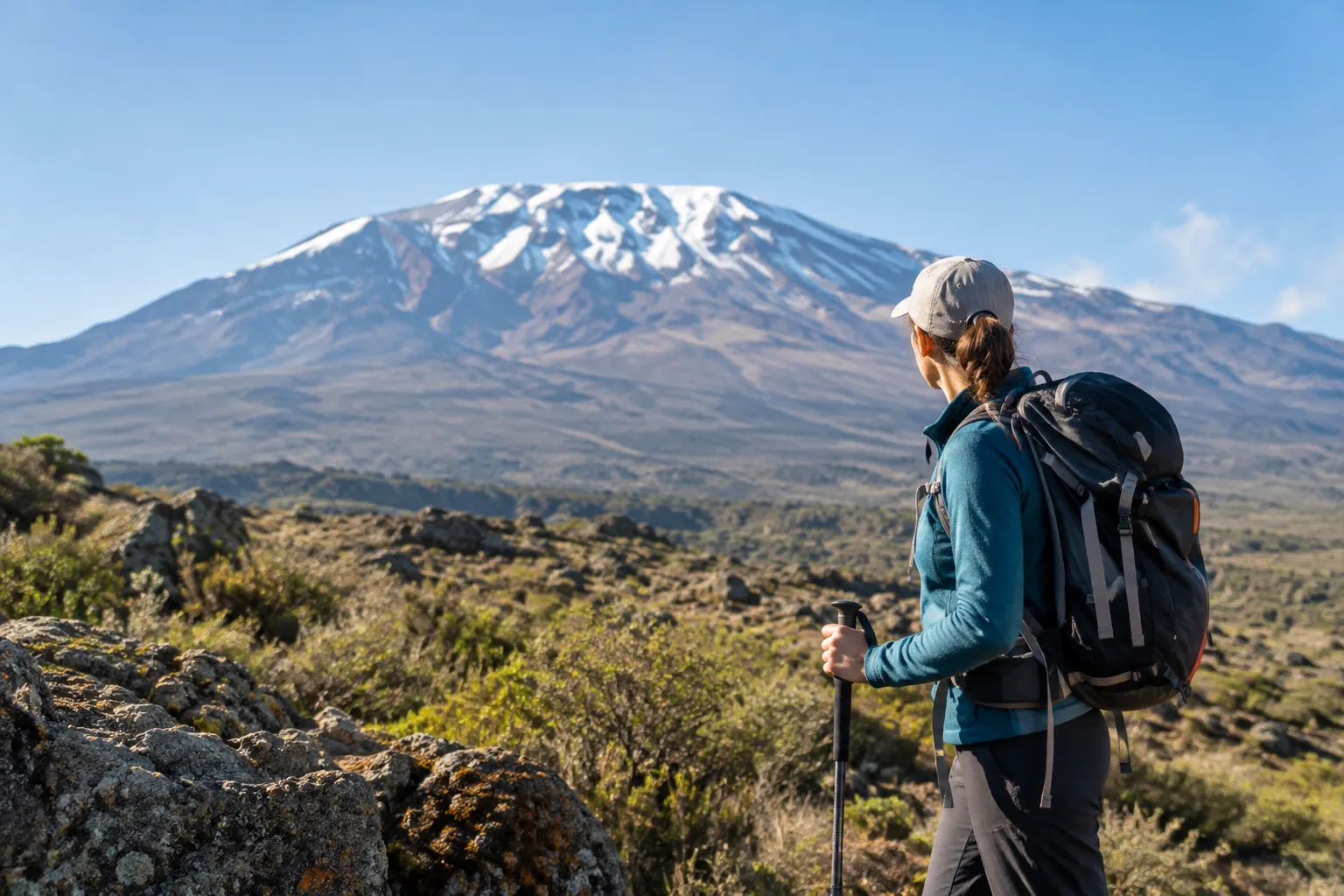
Shorter climbs use fewer mountain days, while longer itineraries create more room for a gradual ascent and acclimatization. Compare route, daily sequence, and total travel days together rather than choosing by duration alone.
The route affects how the days are arranged, not just how many appear on the calendar. Eco Africa Climbing offers climbs on the Lemosho, Machame, Northern Circuit, Rongai, and Marangu routes; each has its own itinerary options. Ask for the day-by-day plan, including where the route starts and finishes, where acclimatization time falls, and when the descent reaches the park exit.
| Climb length | Schedule consideration | Main tradeoff |
|---|---|---|
| Five or six days | Fewer days on the mountain | More compressed time for ascent and acclimatization |
| Seven or eight days | More room in the trekking sequence | Requires additional vacation and trip days |
| Nine days | A longer mountain schedule | Uses the most time, before arrival and recovery days are added |
These are itinerary categories, not a guarantee that every route has an option at each length. Check the specific route plan before setting flights. The route-by-route duration guide can help you compare how route choice changes the calendar.
Five- and six-day climbs
Five- and six-day itineraries are shorter options, but a smaller day count can mean a more compressed ascent. That tradeoff matters because the body needs time to adjust to altitude; cutting days to fit a vacation window does not make the physical challenge disappear.
If you are considering a short schedule, examine how the route distributes elevation gain and whether the itinerary includes time intended for acclimatization. Do not choose it simply because it leaves more days for a safari or reduces the length of your trip. A shorter climb may suit a traveler with limited leave, but it may not be the right fit if the priority is a more gradual schedule.
Seven- and eight-day climbs
Seven- and eight-day schedules allow more time on the mountain than the shortest options and can include a more gradual ascent or an additional acclimatization day. The exact benefit depends on the route and how the days are arranged.
Review the itinerary itself: look for the daily elevation profile, walking and resting periods, and the timing of the summit attempt and descent. An extra day is useful when it supports a more considered schedule, not merely because the trip is longer. For an explanation of acclimatization days on Kilimanjaro, focus on what the added day does within the route plan.
Nine-day climbs
A nine-day climb gives the itinerary more mountain time, but you still need arrival and recovery days outside that count. Add those days before booking flights, taking leave, or fitting in a safari.
The longer schedule may appeal if you want more time for the ascent and can spare the additional days. It still involves strenuous trekking at altitude, and no duration guarantees a summit. Compare the nine-day plan with a seven- or eight-day alternative by checking where the additional time falls and whether the route suits your priorities.
What a trekking day and summit push involve
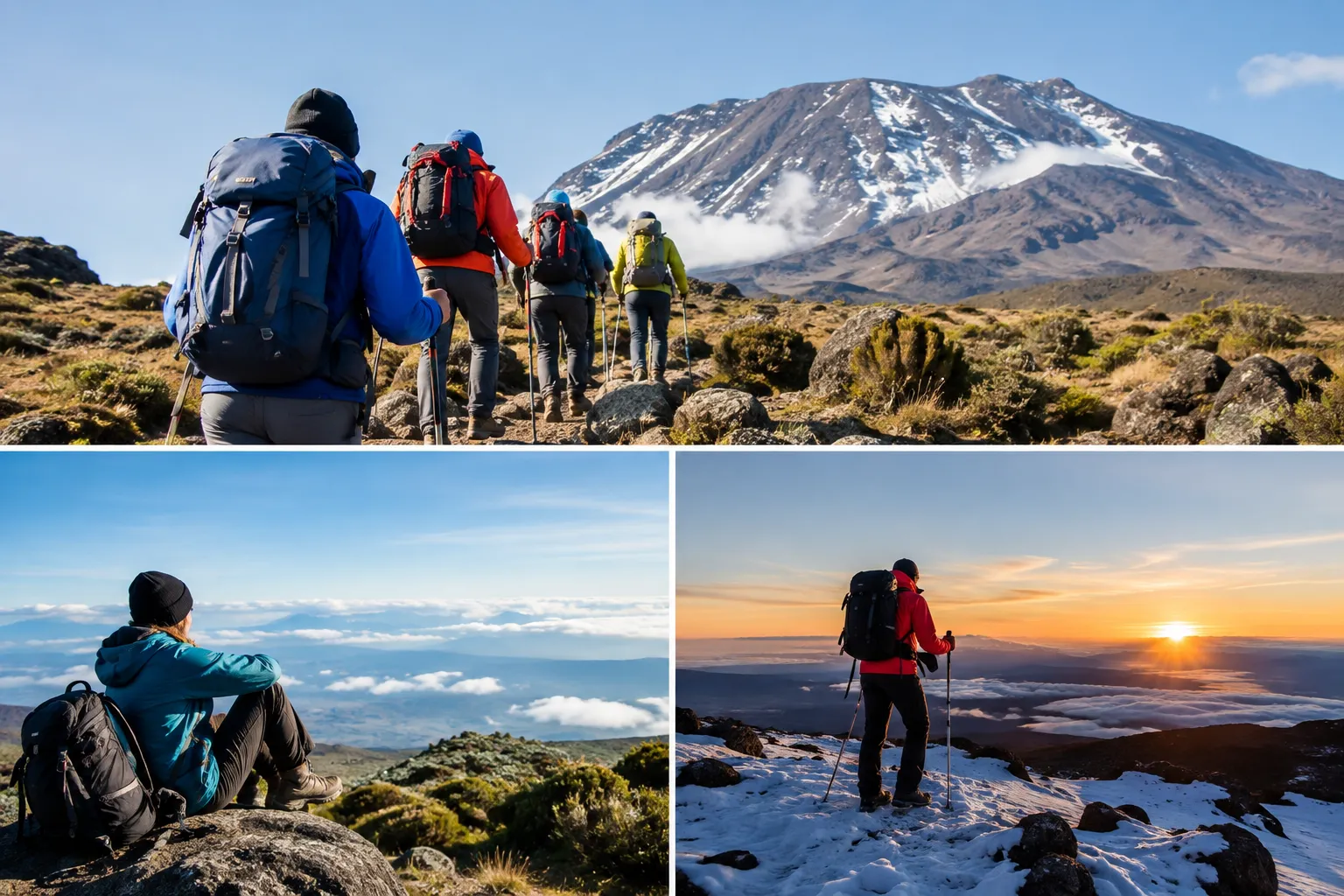
A typical trekking day combines walking at a measured pace, breaks, meals, and time at camp; the summit push is a longer overnight effort followed by descent. The precise schedule depends on route, conditions, and the itinerary.
Expect consecutive days of physical effort, changing terrain, and increasing altitude. Training before the trip can help you prepare for sustained walking, uphill and downhill movement, and carrying your daypack. Build fitness gradually with walks or hikes where possible, and include lower-body and core strengthening if those exercises are appropriate for you.
Summit night does not replace the route’s other trekking days. The plan needs to include the climb toward the summit, time at the high point, and a substantial descent afterward. That makes the following recovery day particularly useful: it gives you time to rest after the most demanding part of the route instead of going directly into a flight or another activity. See the summit-night schedule and pacing guide for more detail on how that portion fits into the climb.
Altitude illness is a real consideration on high mountains. The CDC’s guidance on high-altitude travel and altitude illness discusses acclimatization, ascent, and recognizing possible illness. Follow your guide’s instructions and report symptoms promptly; do not treat a planned summit as a reason to ignore how you feel. Consult a qualified health professional about your own fitness and medical circumstances before planning high-altitude travel.
Choose a realistic schedule for your fitness and trip
Choose a route and duration that leave enough time for the climb, a measured ascent, and the travel days around it. Balance your available leave with the physical demands and the schedule’s acclimatization opportunities.
Start with the total trip, not the number of mountain days. Add your arrival buffer and recovery time to the route schedule, then see whether the resulting calendar works with your flights and time off. If it only works by removing rest or booking a flight immediately after the descent, reconsider the plan.
Next, compare the routes by their day-by-day structure and your preferences. Ask what each itinerary includes in its mountain schedule, how the summit and descent fit into it, and what happens if a day’s plan needs to change. Ask about group size, whether a departure is confirmed, how guides monitor climbers’ health, and what support is available on the route. Women traveling alone or considering a group climb can also ask how group arrangements work and what information is available before joining.
When comparing operators, examine inclusions and costs separately: park and other government fees, transport, meals, gear, tips, and any services not included in the quoted climb price. A low headline figure may not describe the full trip cost. Ask about porter welfare and the operator’s KPAP partnership directly, and check that the route plan clearly explains guide support and health monitoring. Those details are more useful for assessing value than a polished itinerary alone.
A longer itinerary takes more vacation days and may add trip costs, so it is not automatically the right choice for everyone. A shorter plan may suit someone with tight leave, but the tradeoff is less time on the mountain. Choose based on the schedule you can complete with adequate preparation and a realistic margin around travel—not on a summit promise.
Choose your route and plan the full Tanzania trip
Turn your preferred climb into a complete calendar by comparing route plans, adding travel buffers, and checking the full trip costs before confirming flights. A clear schedule makes it easier to see whether the climb, recovery, and any safari fit together.
- Choose the routes and climb durations that match your available vacation time and preferred ascent schedule.
- Compare each day-by-day itinerary, including the summit push, descent, and park exit.
- Add an arrival buffer and a recovery day, then check the resulting dates against your flight connections.
- Ask operators to itemize what the quoted climb includes and what you must budget separately, including fees, tips, flights, and gear.
- Confirm the route, group arrangements, and support details before finalizing the rest of your Tanzania trip.