Kilimanjaro Daypack for Women: Size, Fit and Daily Packing Guide
Choosing the right Kilimanjaro daypack for women can make a noticeable difference to your comfort during a multi-day climb.
Your main mountain duffel is carried separately, while your daypack stays with you during the trek.
That means the items you may need during the hiking day should be inside a backpack that fits comfortably, is easy to organize, and does not feel unnecessarily heavy.
The goal is not to carry everything you own. It is to carry the right things for that day while keeping the pack comfortable enough to wear for several hours.
What Is a Kilimanjaro Daypack?
A daypack is the backpack you personally carry while trekking.
It normally holds the things you may need before reaching the next camp.
Typical categories include:
- Water.
- Extra clothing layers.
- Rain protection.
- Snacks.
- Sun protection.
- Personal medication.
- Small personal essentials.
Why Daypack Choice Matters
Even a relatively light backpack can become uncomfortable after several hours if it does not fit properly.
A poor daypack may cause:
- Shoulder discomfort.
- Neck tension.
- Lower-back discomfort.
- Chafing.
- Difficulty reaching water or clothing.
- Unnecessary fatigue.
Do Women Need a Women-Specific Daypack?
Not necessarily.
Some backpacks are designed with women-specific harness systems, torso lengths, shoulder straps, or hip belts.
These designs can be helpful for some women, but fit remains more important than the label.
Choose the backpack that sits comfortably on your body.
What Size Daypack Is Good for Kilimanjaro?
You need enough space for your daily essentials without carrying an unnecessarily large expedition backpack.
A moderate hiking daypack is usually more practical than a very small casual backpack or a huge trekking pack.
The exact size depends on:
- Your clothing system.
- Your water system.
- How bulky your rain gear is.
- Your personal essentials.
- Your preferred organization.
Bigger Is Not Always Better
A larger backpack can tempt you to carry items you do not actually need during the day.
Your daypack should have enough room, but it should not encourage overpacking.
Do Not Choose a Pack That Is Too Small
At the same time, a tiny backpack can become frustrating when you need to carry:
- Rain jacket.
- Warm layer.
- Water.
- Snacks.
- Personal items.
You should not have to force every zipper closed.
Torso Fit Matters
Backpacks come in different torso lengths and harness designs.
A well-fitted pack should sit naturally against your back without hanging too low or pulling excessively on your shoulders.
Why the Hip Belt Matters
A supportive hip belt can help transfer some backpack weight away from your shoulders.
This can improve comfort during long hiking days.
Where Should the Hip Belt Sit?
It should sit comfortably around your hips rather than simply hanging loosely around your waist.
Exact fit varies by body shape and backpack design.
Shoulder Straps
Shoulder straps should feel secure but should not cut painfully into your shoulders.
Check for:
- Pressure points.
- Rubbing.
- Gaps.
- Restricted movement.
Chest Strap
A sternum or chest strap can help stabilize the shoulder straps and reduce pack movement.
It should feel supportive without interfering with comfortable breathing.
Women and Chest-Strap Comfort
Women may prefer different chest-strap positioning depending on body shape and comfort.
Test the adjustment during training rather than waiting until the mountain.
Can the Harness Be Adjusted?
Adjustability is useful because it allows the pack to fit your body more precisely.
Learn how to adjust:
- Shoulder straps.
- Hip belt.
- Chest strap.
- Load-control straps if present.
Do Not Leave All Straps Extremely Tight
A backpack should feel stable, but overtightening every strap can cause discomfort.
Experiment during training until you find a secure and natural fit.
Back Ventilation
Some daypacks include ventilated back panels or channels designed to improve airflow.
This can improve comfort during warmer lower sections of the trek.
Do You Need a Waterproof Daypack?
A backpack itself may offer some water resistance, but you should not assume that everything inside will remain dry during heavy rain.
Use additional rain protection.
Use a Rain Cover
A backpack rain cover can help protect the exterior of the pack during wet conditions.
Protect Important Gear Inside the Pack Too
Critical items such as:
- Warm layers.
- Electronics.
- Personal medication.
- Dry gloves.
can benefit from additional waterproof inner protection.
Why Internal Waterproofing Matters
A rain cover does not always protect every part of a backpack, especially during prolonged rain.
Using waterproof inner bags gives important items another layer of protection.
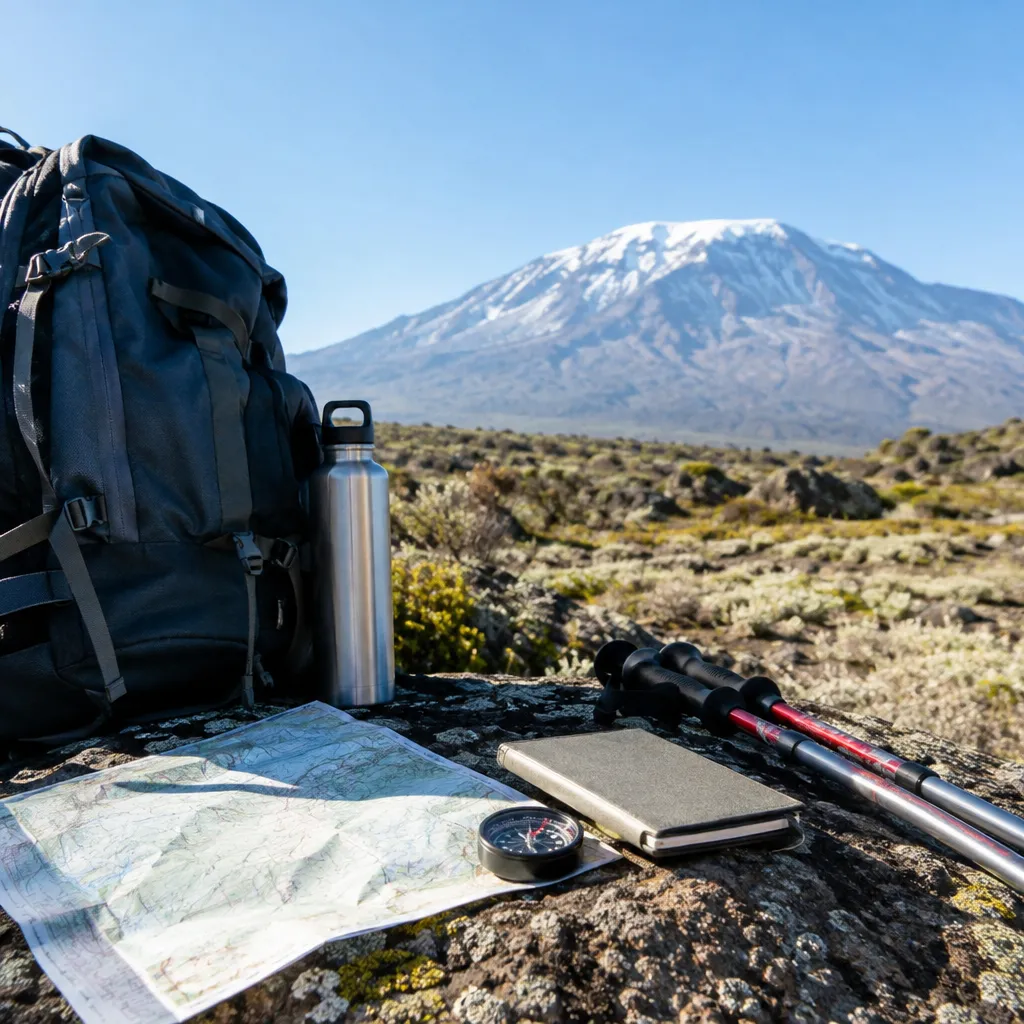
What Should Be Inside Your Kilimanjaro Daypack?
Your exact contents change depending on the trekking day and weather.
Common daily items include:
- Drinking water.
- Rain jacket.
- Waterproof trousers.
- Warm layer.
- Sun hat.
- Warm hat.
- Gloves when appropriate.
- Snacks.
- Sunscreen.
- Sunglasses.
- Personal medication.
- Toilet paper or personal hygiene items.
- Phone or camera.
Water Is Usually One of the Heaviest Items
Your water system can contribute significantly to daypack weight.
This is one reason to avoid filling the backpack with unnecessary items.
Water Bottles vs Hydration Reservoir
Both can work.
Some climbers prefer bottles because they are simple and easy to monitor.
Others prefer a hydration reservoir because the drinking tube allows frequent access without removing the backpack.
Test Your Water System Before Tanzania
Do not wait until Kilimanjaro to discover:
- The hose is difficult to use.
- The bottle pockets are hard to reach.
- The reservoir leaks.
- Your preferred bottle does not fit the pack.
Cold Conditions Can Affect Water Systems
Higher elevations and summit conditions can be very cold.
Discuss summit-night water organization with your mountain guide and keep your system practical for the conditions.
Keep Rain Gear Easy to Reach
Do not bury your rain jacket at the very bottom of your backpack.
Weather can change while you are walking.
Your Warm Layer Should Also Be Accessible
You may want additional warmth during:
- Rest stops.
- Windy sections.
- Cool mornings.
- Higher elevations.
Pack According to Access Priority
Items used frequently should be easy to reach.
Items used only in an emergency or at a specific time can sit deeper inside the pack.
Use the Top Pocket Wisely
If your backpack has a top pocket, it can be useful for small frequently used items.
Examples include:
- Lip protection.
- Sunscreen.
- Small snacks.
- Headwear.
Hip-Belt Pockets
If your pack includes hip-belt pockets, they can be useful for small items you want without removing the backpack.
Do Not Overfill Small Pockets
Organize them so you can still find what you need.
Side Pockets
Side pockets are commonly used for bottles or other small trekking items.
Test whether you can reach them comfortably while wearing the pack.
Snacks in Your Daypack
Personal snacks should be easy to reach during longer trekking days.
Choose snacks you have already tested during training.
Do Not Carry Your Entire Snack Supply Every Day
Organize only what you reasonably expect to need for that day.
Medication Must Stay Accessible
Any medication you may need during the hiking day should remain with you rather than being buried in luggage that is not immediately accessible.
Separate Medication From Wet Gear
Keep personal medication protected and organized so it remains dry and easy to identify.
Carry Sun Protection
Your daypack should have room for:
- Sunscreen.
- Sunglasses.
- Sun hat or cap.
- Lip protection.
Do Not Put Sunglasses Where They Can Be Crushed
Use a protective case or secure pocket.
Personal Hygiene Items
You may want a small hygiene pouch containing items such as:
- Toilet paper.
- Hand-cleaning supplies.
- Personal menstrual products.
- Waste bags for personal items.
Women and Menstrual Supplies
If you may have your period during the climb, keep enough menstrual supplies accessible in your daypack rather than placing everything in the duffel.
Use a Small Dedicated Pouch
A simple separate pouch can make toilet stops quicker and more discreet.
Electronics in the Daypack
You may carry:
- Phone.
- Camera.
- Power bank.
- Small charging cables.
Protect them from rain and cold.
Do Not Carry Every Electronic Device You Own
Electronics add weight.
Take what you will realistically use.
Headlamp in the Daypack
A headlamp becomes especially important when trekking may begin or continue in darkness.
Keep it organized and check batteries before important stages such as summit night.
Should You Carry Your Passport on the Trail?
Follow the operator’s pre-climb instructions for valuables and travel documents.
Do not automatically place every valuable item in your daypack simply because you brought it to Tanzania.
How Heavy Should Your Daypack Be?
There is no useful reason to make it heavier than necessary.
The weight should come mainly from genuine daily needs such as water, clothing, food, and personal essentials.
Do Not Train With an Extremely Heavy Pack
Some climbers intentionally overload their training backpack because they believe more weight always creates better preparation.
That can add unnecessary stress to:
- Knees.
- Hips.
- Back.
- Shoulders.
Train With a Realistic Load
As your preparation progresses, use the actual daypack with the type of items you expect to carry on Kilimanjaro.
Start Light
If you are new to hiking, begin walking with little or no additional load.
Gradually introduce:
- Water.
- Rain gear.
- Extra clothing.
- Personal items.
Train for Several Hours With the Pack
A pack can feel comfortable for 20 minutes but become irritating after three hours.
Long training hikes reveal:
- Shoulder pressure.
- Back rubbing.
- Hip-belt problems.
- Chest-strap discomfort.
Wear the Pack With Your Real Trekking Clothes
Backpack fit can change when you add:
- Fleece.
- Rain jacket.
- Insulating layers.
Test the pack while wearing different clothing combinations.
Sports Bra and Backpack Straps
For women, backpack shoulder straps and sports bra straps can sometimes overlap in uncomfortable places.
Use training hikes to find combinations that do not create repeated rubbing.
Do Not Ignore Small Friction Areas
A minor irritation during a short walk may become painful after several consecutive hiking days.
Long Hair and Backpack Comfort
If you have long hair, think about how you will wear it while using:
- Backpack straps.
- Sun hat.
- Warm hat.
- Hood.
Simple practical hairstyles may be more comfortable during long trekking days.
Daypack Organization for Rainy Days
On wet days, organize the pack so you can quickly reach:
- Rain jacket.
- Waterproof trousers.
- Pack cover.
- Dry gloves if needed.
Do Not Open the Entire Pack in Heavy Rain
Good organization reduces the amount of gear exposed when you need one item.
Daypack Organization for Cold Days
Keep additional warm layers accessible before you become extremely cold.
Daypack for Barranco Wall
Barranco Wall involves controlled scrambling.
Your daypack should fit closely enough that it does not swing around excessively while you move.
Keep the Outside of the Pack Simple
Avoid hanging unnecessary loose items from the backpack where they can catch on rocks or other objects.
Daypack for Summit Night
Summit night requires careful organization.
Your pack may need space for:
- Water.
- Additional gloves.
- Warm layers.
- Snacks.
- Personal essentials.
- Sun protection for later in the morning.
Pack Summit Items Before You Rest
Do not wait until you are tired and preparing in darkness to decide where every item belongs.
Know Where Everything Is
On summit night, you should be able to find important items without emptying the entire backpack.
Keep Gloves Easy to Reach
If you need to change or add gloves, you should know exactly where they are.
Keep Snacks Accessible
Cold conditions and fatigue can make complicated food organization frustrating.
Choose simple snacks and place them where you can access them efficiently.
Daypack During the Descent
The descent can be physically tiring.
A stable, properly adjusted backpack can help reduce unnecessary movement while walking downhill.
Recheck Your Straps Before Long Descents
Small adjustments can improve comfort if the pack has shifted during the day.
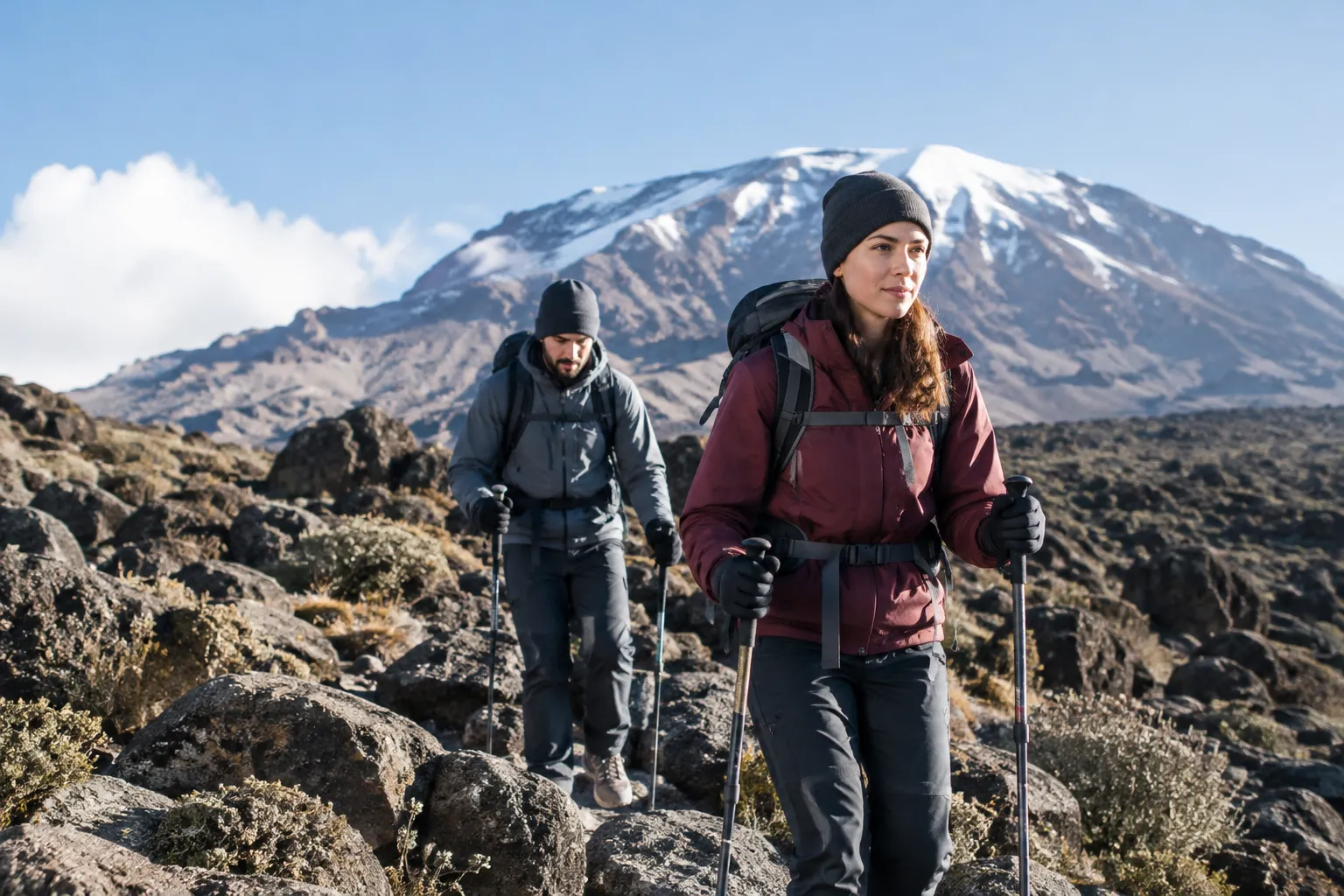
Can You Attach Trekking Poles to the Pack?
Many hiking packs have attachment systems for trekking poles.
Practice using yours before the trip so you know how to secure the poles when they are not needed.
Do Not Let Poles Swing Loose
Secure them properly when attached to the backpack.
Should You Choose a Pack With Many Compartments?
Compartments can help organization, but too many can also make it harder to remember where everything is.
Choose a system that feels intuitive to you.
One Main Compartment Can Work Well
Packing cubes or small internal bags can create organization inside a simpler backpack.
Do You Need an Expensive Daypack?
Not necessarily.
A useful Kilimanjaro daypack should primarily offer:
- Good fit.
- Comfort.
- Durability.
- Useful organization.
- Weather protection options.
Brand Matters Less Than Fit
A premium backpack that fits badly can be less useful than a simpler pack that fits your body properly.
Try the Pack With Weight Inside
An empty backpack can feel perfect in a store.
Where possible, test it with some realistic weight inside.
Walk Around Before Buying
Do not judge backpack comfort while standing still for only a few seconds.
Move your arms, bend, walk, and adjust the straps.
Check Whether You Can Look Up Comfortably
A badly positioned pack can interfere with head movement, especially when wearing a hood or hat.
Check Shoulder Movement
Your pack should allow natural arm movement for trekking and pole use.
Women With Shorter Torsos
A long backpack can sit awkwardly on a shorter torso.
Look for models or sizes that better match your body proportions.
Women With Longer Torsos
A pack that is too short may place weight poorly and make the hip belt less effective.
Women With Curvier Hips
Hip-belt shape and adjustment can significantly affect comfort.
Test the belt under realistic weight before committing to the pack.
Women With Larger Busts
Pay particular attention to:
- Shoulder strap position.
- Chest strap adjustment.
- Sports bra compatibility.
Comfort is highly individual.
Daypack Comfort During Your Period
Some women experience bloating or changes in comfort during their menstrual cycle.
An adjustable hip belt allows you to make small comfort adjustments when needed.
Perimenopause and Daypack Organization
If you experience temperature changes, keeping removable clothing layers easy to reach can make the trekking day more comfortable.
Women Over 40, 50 and 60
The same principles apply at every age:
- Good fit.
- Reasonable weight.
- Easy organization.
- Comfort over several hours.
If you have established back, shoulder, or joint problems, choose your pack carefully and seek relevant professional advice where needed.
Common Daypack Mistake: Carrying Too Much
Many first-time climbers pack for every imaginable situation.
This can make the pack unnecessarily heavy.
Common Daypack Mistake: Carrying Too Little
Do not remove important layers or rain protection simply because you want the backpack to feel extremely light.
Common Daypack Mistake: Poor Organization
If your rain jacket is buried beneath everything else, even a light backpack can become frustrating.
Common Daypack Mistake: Never Training With It
Your first full day carrying the pack should not be Day 1 on Kilimanjaro.
Common Daypack Mistake: Ignoring the Fit
Do not assume every backpack fits every person simply because the capacity is correct.
Common Daypack Mistake: No Rain Protection
Mountain weather can change quickly.
Protect the pack and its critical contents.
Common Daypack Mistake: Too Many Loose Items Outside
Secure equipment rather than allowing bottles, clothing, or other items to hang loosely from the backpack.
Simple Kilimanjaro Daypack Checklist
| Item | Why Carry It |
|---|---|
| Water | Daily hydration |
| Rain jacket | Weather protection |
| Waterproof trousers | Rain and wind protection |
| Warm layer | Cold or windy conditions |
| Snacks | Personal energy between meals |
| Sun protection | Sunglasses, sunscreen and hat |
| Medication | Personal medical needs |
| Hygiene pouch | Trail toilet and personal needs |
| Phone / camera | Personal use and photos |
What Belongs in the Duffel Instead?
Items you will not normally need during the trekking day can remain in your main mountain luggage.
Avoid filling your daypack with:
- All spare clothing.
- Your full sleeping system.
- Large quantities of toiletries.
- Items only needed at camp.
Pack Each Morning According to the Day
Not every trekking day has identical requirements.
Before leaving camp, consider:
- Expected weather.
- Expected temperature.
- Length of the trekking day.
- Whether extra warm layers may be needed.
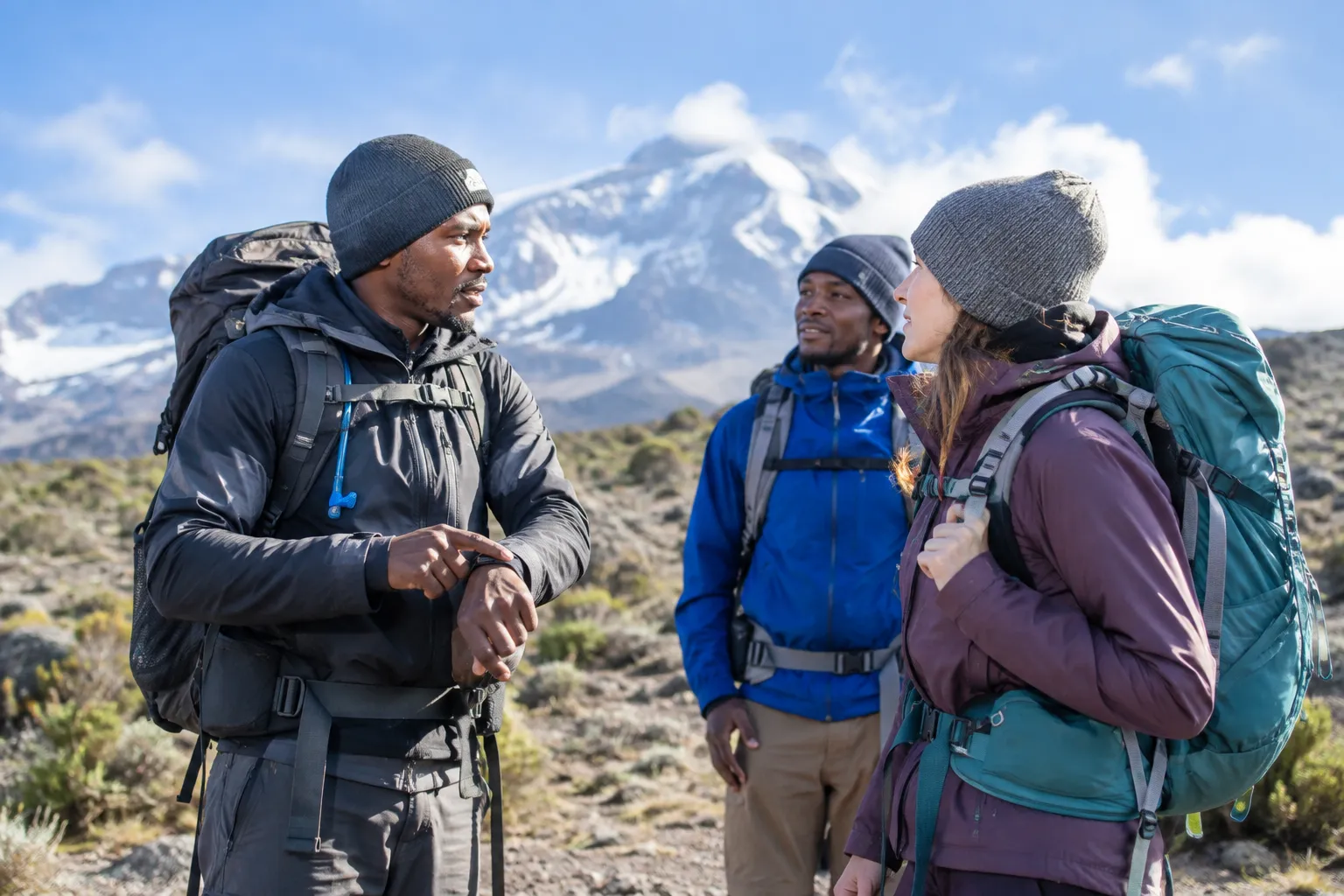
Listen to the Mountain Guide’s Advice
Your guide can advise what should be immediately accessible based on the day’s route and conditions.
Why the 7-Day Machame Route Makes Daypack Comfort Important
WomenClimbKili scheduled departures use the 7-day Machame Route.
This means you will use your daypack over several consecutive mountain days through changing terrain and conditions.
A backpack that feels acceptable for one hour needs to remain comfortable for much longer.
View the full itinerary on our Women-Only Machame Route Kilimanjaro Package .
Can Solo Female Travelers Get Packing Guidance?
Yes.
You do not need to arrive already knowing every small detail about mountain packing.
Prepare in advance, test your equipment during training, and use the pre-climb briefing to clarify remaining questions.
Frequently Asked Questions
What size daypack should women use for Kilimanjaro?
Choose a moderate hiking backpack with enough room for water, clothing layers, rain gear, snacks, medication, and personal essentials without encouraging unnecessary overpacking.
Do I need a women-specific backpack?
No. Women-specific models can fit some body shapes well, but the most important factor is whether the backpack fits your torso, shoulders, hips, and chest comfortably.
What should I carry in my Kilimanjaro daypack?
Typical items include water, rain protection, warm layers, snacks, sun protection, personal medication, hygiene essentials, and small electronics.
Should I carry all my mountain gear myself?
No. Your daypack is for items you need during the trekking day. Your main mountain luggage is carried separately.
Should my daypack be waterproof?
Weather protection is important. Use a rain cover where appropriate and protect critical items inside the pack with waterproof inner bags.
Should I train with my daypack?
Yes. Use it on longer training walks so you can test the fit, straps, weight, water system, and organization before Tanzania.
How heavy should my Kilimanjaro daypack be?
Carry what you genuinely need for the day rather than aiming for a particular heavy training weight. Water and necessary layers will already contribute much of the load.
Should I carry menstrual products in my daypack?
If you may need them during the trekking day, keep an accessible personal supply in a small dedicated pouch.
Should I carry my warm jacket every day?
Your daily clothing needs depend on weather and elevation. Keep appropriate warm and weather-protection layers accessible according to the day’s conditions and your guide’s advice.
Your Daypack Should Help You, Not Fight You
A good Kilimanjaro daypack does not need to be complicated.
It needs to fit your body, carry your daily essentials comfortably, protect important items from weather, and allow you to find what you need without unpacking everything.
Choose the pack early. Adjust it properly. Train with it. Test your water system. Wear it with your real trekking clothing. Learn where every important item belongs.
By the time you arrive in Tanzania, putting on your daypack each morning should already feel familiar.
Explore our WomenClimbKili scheduled departures or view the complete 7-Day Women-Only Machame Route Package .
Share:

Social Media
Most Popular
Machame Route Pacing for Women | How Slow Should You Walk?
Machame Route Terrain for Women | Trail & Walking Conditions Guide
Machame Route Camps for Women | What to Expect Each Night
Kilimanjaro Descent for Women | What to Expect After Summit
Book Your Sustainable Tour
Related Posts
Machame Route Pacing for Women | How Slow Should You Walk?
Machame Route Pacing for Women: How Slow Should You Walk? Understanding Machame Route pacing for women can be just as important as building fitness before
Machame Route Terrain for Women | Trail & Walking Conditions Guide
Machame Route Terrain for Women: What the Trail Is Really Like Understanding the Machame Route terrain for women can help you train more intelligently and
Machame Route Camps for Women | What to Expect Each Night
Machame Route Camps for Women: What to Expect Each Night Understanding the Machame Route camps for women can make the idea of spending several nights
Kilimanjaro Descent for Women | What to Expect After Summit
Kilimanjaro Descent for Women: What to Expect After the Summit The Kilimanjaro descent for women is one of the most underestimated parts of the entire