 23 Nov 2026
 7 min read
Mount Kilimanjaro is in Tanzania, in East Africa, close to the Kenyan border. If you are searching for the mount Kilimanjaro country, the direct answer is Tanzania—not Kenya.
Which Country Is Mount Kilimanjaro In?
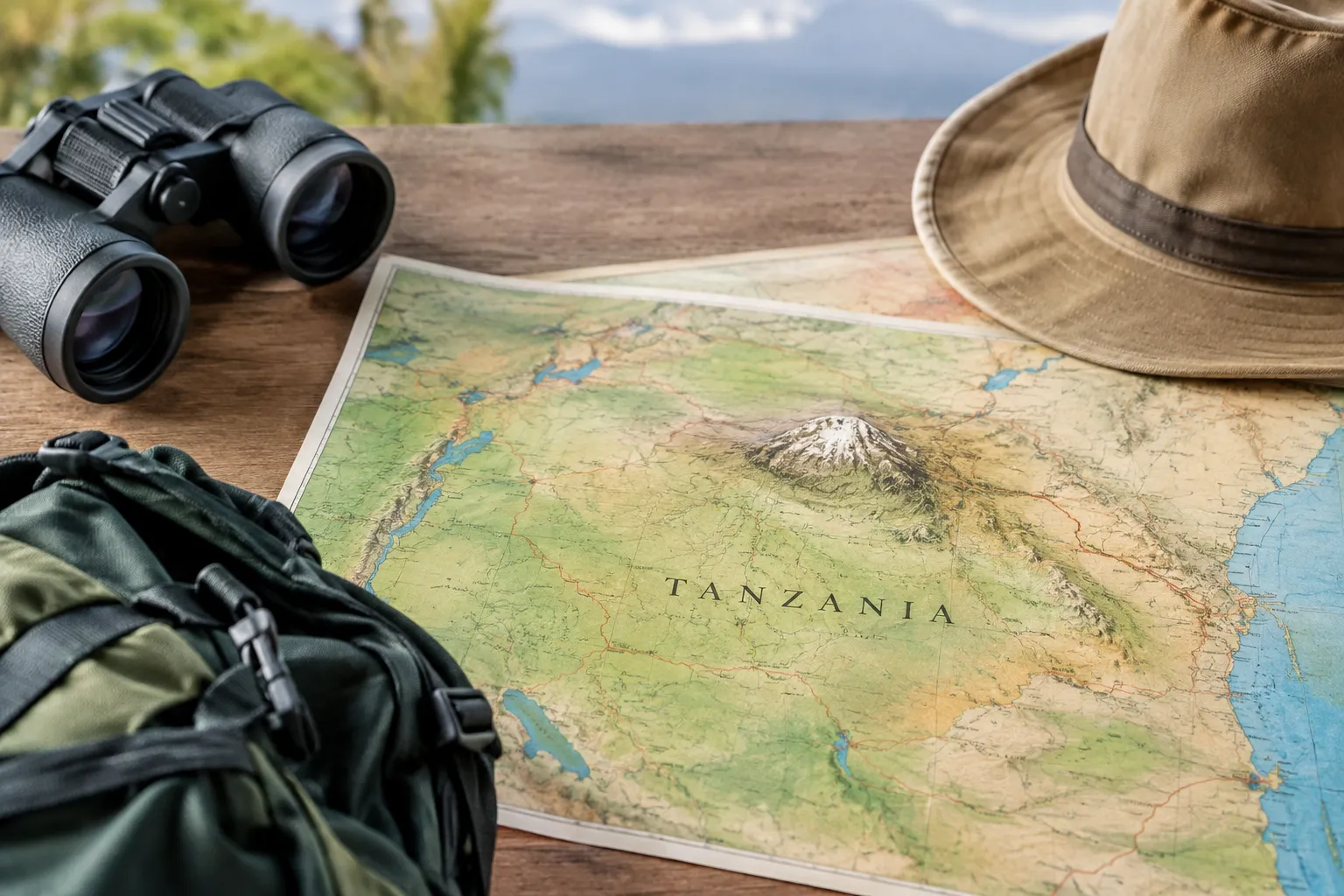
Mount Kilimanjaro is in Tanzania, and the mountain’s climbing routes begin within Tanzania’s borders. Its proximity to Kenya can make the map confusing, but the summit is not in Kenya.
Tanzania is in East Africa, on the continent’s eastern side. Kilimanjaro is one of the region’s most recognizable mountains, and the country is the starting point for a guided climb. The Tanzania national parks map offers broader geographic context by showing Kilimanjaro National Park in relation to Tanzania’s other parks and neighboring areas.
For travelers, the distinction is practical: a trip to climb the mountain is a trip to Tanzania. Your route, park access, and climb arrangements are organized around Kilimanjaro National Park, rather than a Kenyan park or trailhead. Kenya may be nearby on a regional map, but the country name that belongs on your climb plans is Tanzania.
The country answer also helps separate the mountain from other destinations that may appear in a longer East African itinerary. A Kilimanjaro climb and a visit to a nearby national park are different parts of a trip, with their own locations and logistics. If you are choosing an operator, check that the itinerary clearly identifies the country, park access, route, and what is included in the climb.
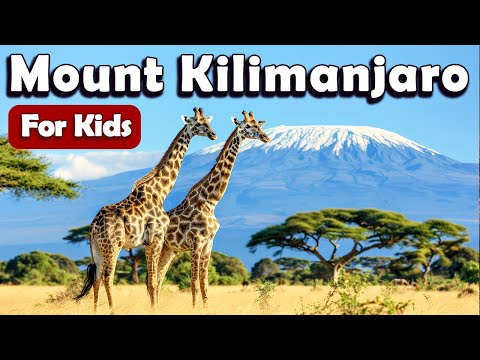
Where Kilimanjaro Sits in Northeastern Tanzania
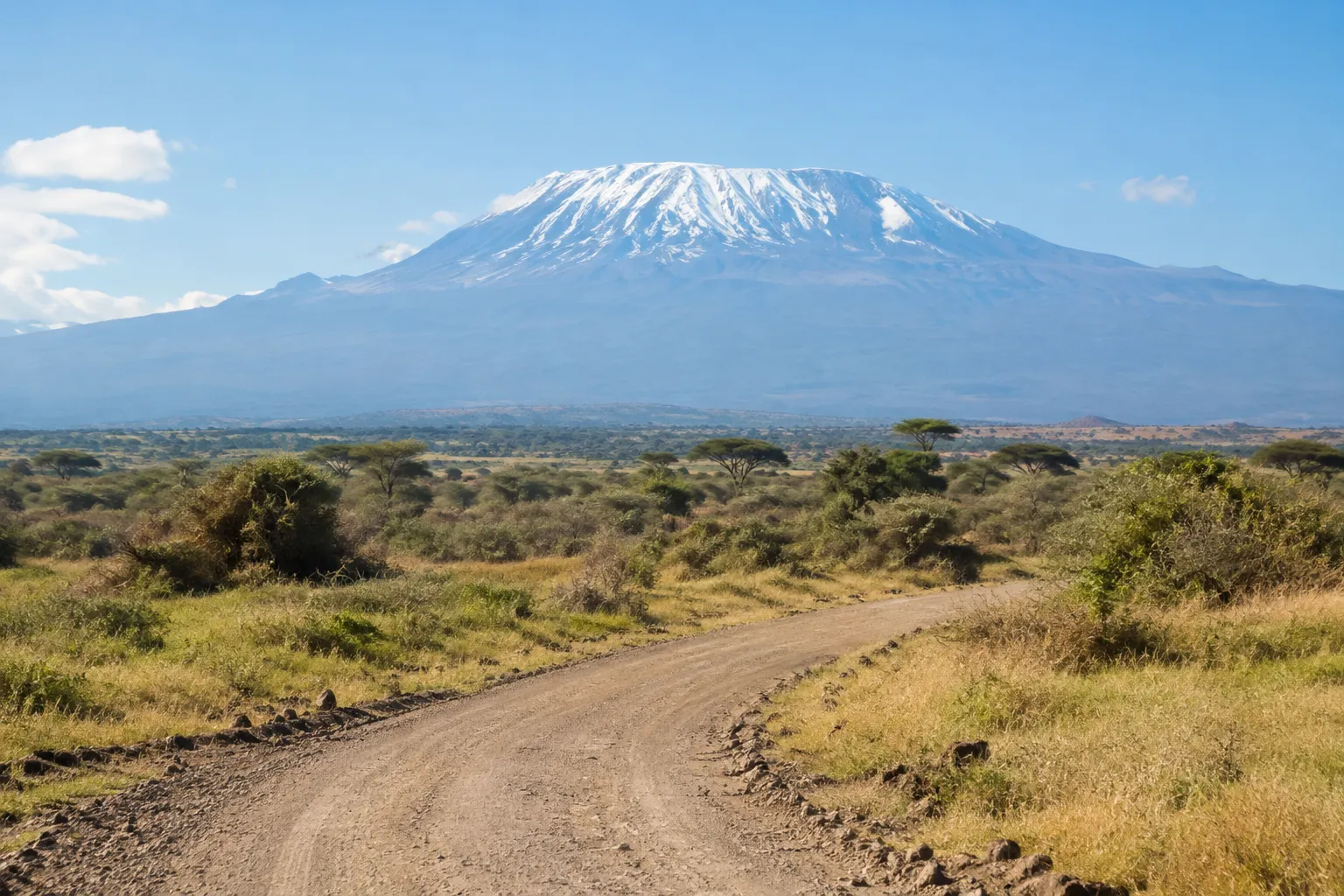
The mountain rises in northeastern Tanzania, near the Kenyan border, with the town of Moshi serving as a familiar reference point for travelers planning a climb.
On a map of East Africa, Mount Kilimanjaro lies inland from the Indian Ocean and close to Tanzania’s northern border. Its location is useful to understand before booking flights or transfers: a flight into the region and the journey to a climb’s starting point are separate parts of the travel plan. Ask an operator how the arrival, transfer, and pre-climb arrangements fit together rather than assuming that landing in Tanzania means you are already at the mountain.
Moshi is commonly used as a nearby town reference when discussing Kilimanjaro. Arusha is another familiar city in northern Tanzania, but it is not the mountain itself or the national park. These place names can help you orient yourself when comparing itineraries, looking at transport options, and deciding whether to add time in the region before or after climbing.
The phrase “near Kenya” describes regional geography; it does not mean that a Kilimanjaro climbing route crosses into Kenya. The mountain and its park are Tanzanian. That distinction matters when checking the itinerary and the location of the park gates, particularly if a broader East African trip includes destinations on both sides of the border.
For a map check, look for Tanzania first, then its northeastern area near Kenya, and then Kilimanjaro National Park. This country-to-region-to-park sequence is more useful than searching for a route name alone. A route tells you how a climb proceeds on the mountain; it does not change which country the mountain is in.
Kilimanjaro National Park Is in Tanzania
Kilimanjaro National Park lies in Tanzania and protects the mountain area used for climbing; the park is not a separate country or a Kenyan destination.
The park boundary and the country boundary answer different questions. Tanzania is the country, while Kilimanjaro National Park is the protected area around the mountain. A route such as Lemosho or Machame describes a way to climb within the park; it is not another park or a separate location. TANAPA’s Kilimanjaro visitor guide covers access gates, route and accommodation arrangements, entry-fee categories, and visitor guidance.
That distinction helps when reading a tour itinerary. Look for the route name, the number of climbing days, the park entry arrangements, and the way accommodation is handled. The route name alone does not tell you the full trip duration or explain what happens before and after the trek. Ask for a breakdown that separates park-related costs and arrangements from airfare, personal gear, tips, and any extra nights or travel.
TANAPA describes Kilimanjaro as a mountain with several peaks and climbing routes, and gives a typical climb duration of five to eight days. That range is a useful starting point, not a complete itinerary: the time you spend traveling to Tanzania, transferring to the area, and recovering after the climb is additional. Compare the full trip outline, not just the number of days on the mountain.
Kilimanjaro is also distinct from other northern Tanzania destinations. A safari in a different national park is a separate travel component, even if it is added to the same vacation. If you are considering both, check the sequence and transfer plan so you know which days are for climbing and which are for wildlife travel.
For more context about the mountain’s volcanic peaks, read this guide to Kilimanjaro’s volcanic origins. The geology helps explain the mountain’s structure, while the park and route details remain the information to use for planning access.
Plan a Guided Climb from Tanzania
A guided Kilimanjaro climb starts with travel to Tanzania, followed by arrangements for reaching the mountain and the selected park route.
Begin by matching your international arrival plan to the climb itinerary. Confirm the arrival point, transfer arrangements, where you will stay before the trek, and how much time is set aside to rest. If your journey includes a connection or checked baggage transfer, allow time to understand how your bags move between flights; do not assume every airline connection handles baggage the same way.
Next, compare climbing routes by duration and trip structure. Eco Africa Climbing offers guided climbs on the Lemosho, Machame, Northern Circuit, Rongai, and Marangu routes. TANAPA’s typical five-to-eight-day range gives general context, but a particular tour’s total length depends on its itinerary. Check the operator’s route page for actual dates, inclusions, and arrangements rather than using a general range as a booking specification. You can review the available Kilimanjaro climbing tours to explore route options.
A useful comparison starts with questions, not a headline price. Ask what the quoted amount includes, which park fees apply, whether airport transfers and pre-climb accommodation are included, what gear you need to supply, and how tips are handled. These are separate budget items to verify; a route’s country or duration does not answer them. If a quote is unclear, request an itemized explanation before comparing it with another itinerary.
Also check the operator’s approach to porter welfare and on-route support. Eco Africa Climbing is a KPAP Partner Company and states a commitment to responsible tourism, professional guiding, porter welfare, safety, and personalized experiences. Treat those as points to investigate: ask how crew treatment is handled, what support is provided during the climb, and what the itinerary says about health monitoring. No operator can promise a summit outcome, and a company’s stated commitments are not a substitute for understanding the practical arrangements.
Altitude is a separate planning concern from geography. Being in Tanzania identifies where the mountain is; it does not tell you how your body will respond to elevation or whether a specific ascent plan is appropriate for you. The CDC’s guidance on high-altitude travel and altitude illness explains acclimatization and recognizing altitude illness. Consult a qualified healthcare professional about your individual health and travel plans, especially before deciding whether high-altitude trekking is suitable for you.
Kilimanjaro FAQs
How much does it cost to climb Kilimanjaro per person?
The total varies by route, itinerary, inclusions, and personal expenses; compare written quotes that separate park fees, transport, lodging, gear, airfare, and tips.
Which country is Kilimanjaro situated in?
Kilimanjaro is situated in Tanzania, in East Africa near the Kenyan border. The mountain and Kilimanjaro National Park are on the Tanzanian side.
Do you need oxygen to climb Kilimanjaro?
Whether supplemental oxygen is needed depends on the person and circumstances; it is not a substitute for acclimatization or a response plan for altitude illness. Discuss personal risks with a qualified healthcare professional.
Where do you sleep when you climb Kilimanjaro?
Where you sleep depends on the route and its arrangements; TANAPA’s visitor guidance describes route and accommodation arrangements, so confirm the specific setup in your itinerary.
Recommended next steps
To turn the country and park location into a practical climb plan, work through these decisions in order:
- Confirm that your itinerary places the climb in Tanzania and identifies Kilimanjaro National Park.
- Compare the available route options and verify the planned climbing days against the full trip schedule.
- Check arrival, baggage, transfer, and pre-climb rest arrangements before booking flights.
- Request an itemized quote that explains park fees, inclusions, gear needs, tips, and any extra accommodation.
- Review the operator’s porter-welfare and on-route support practices, then choose the itinerary that fits your travel plans.