 12 Nov 2026
 7 min read
Mount Kilimanjaro is in northern Tanzania, within Kilimanjaro National Park, and rises to 5,895 meters (19,341 feet) at Uhuru Peak, Africa’s highest point. A climb is a guided, multi-day trek at altitude, with route choice, acclimatization, and physical preparation shaping the experience.
Where Mount Kilimanjaro Is and What Makes It Distinctive
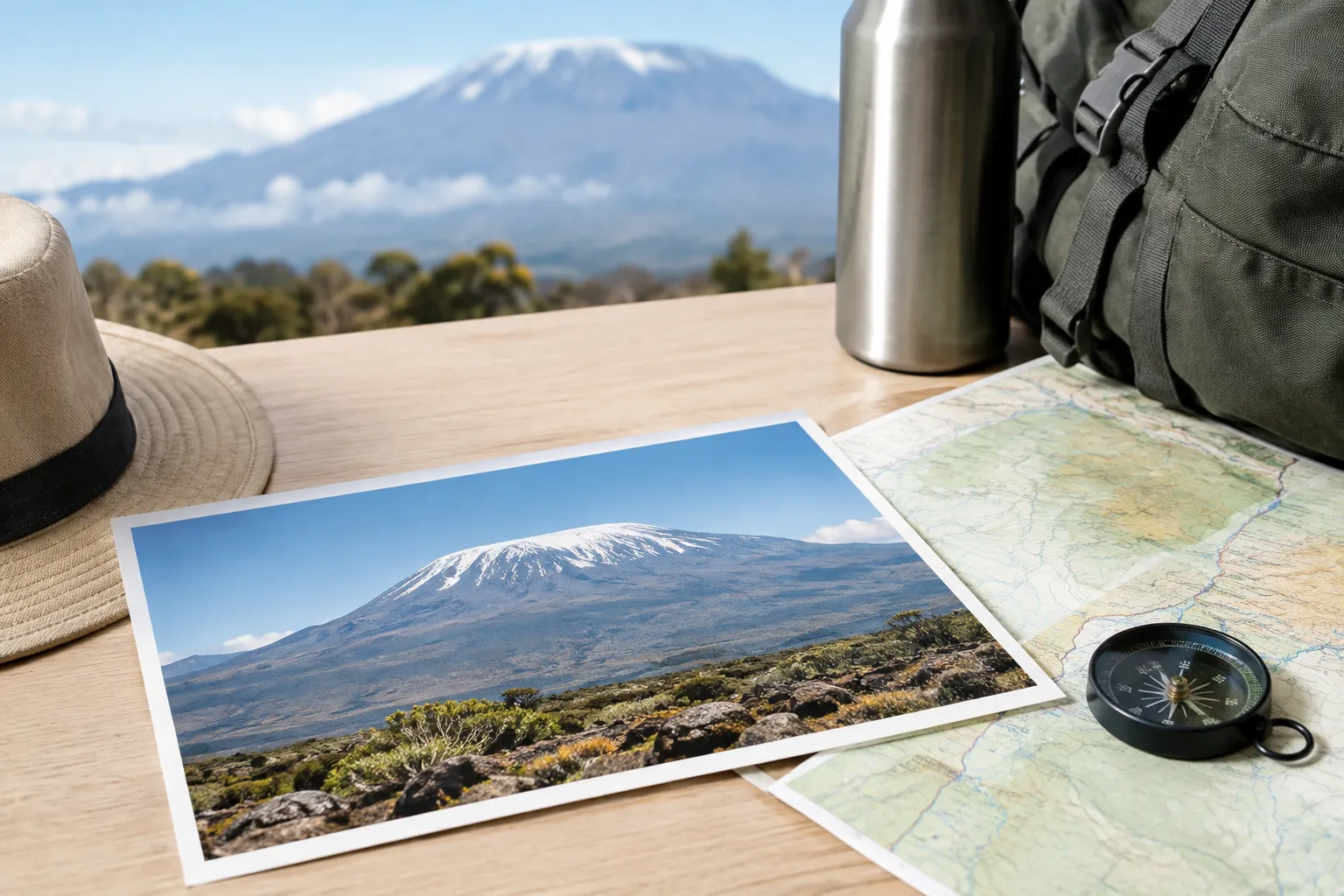
Mount Kilimanjaro stands in northern Tanzania, and its height and park setting make it a distinctive destination for a guided trek. The practical verdict: it may suit travelers ready for a demanding high-altitude walk, but it is not a casual hike or a guaranteed summit.
Kilimanjaro’s location and national park
Kilimanjaro is located in northern Tanzania, near the country’s border with Kenya. Climbing routes enter Kilimanjaro National Park, which is managed by Tanzania National Parks (TANAPA). The park authority describes the mountain’s location, peaks, routes, and typical climb duration in its Kilimanjaro National Park information.
A Tanzania-based operator can help coordinate local climb arrangements, but travelers should still confirm what a specific itinerary includes. For an overview of the area and visitor context, see this practical guide for first-time visitors. Those comparing a guided Kilimanjaro climbing tour should also check the route, trip length, park fees, equipment needs, and what happens before and after the trek. Our guide to Kilimanjaro climbing tours covers what to expect from the trip structure.
Height, summit and mountain profile
TANAPA identifies Uhuru Peak, at 5,895 meters, as the mountain’s highest point. That elevation is a central planning consideration: climbers gain height over several days, and altitude can affect people differently regardless of their fitness.
Kilimanjaro is a prominent volcanic mountain with multiple peaks. A summit itinerary is not simply a walk to a viewpoint; it involves sustained trekking and a high-altitude summit attempt. The mountain’s height makes pacing and acclimatization relevant, while the chosen route determines the approach and itinerary.
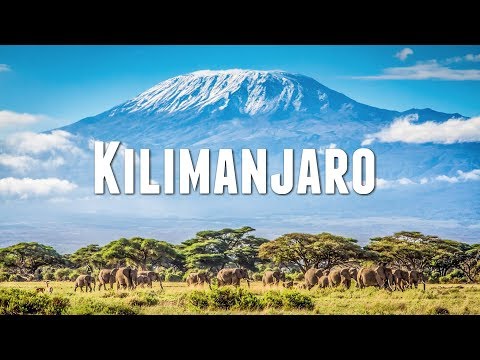
What a Guided Climb on Kilimanjaro Involves
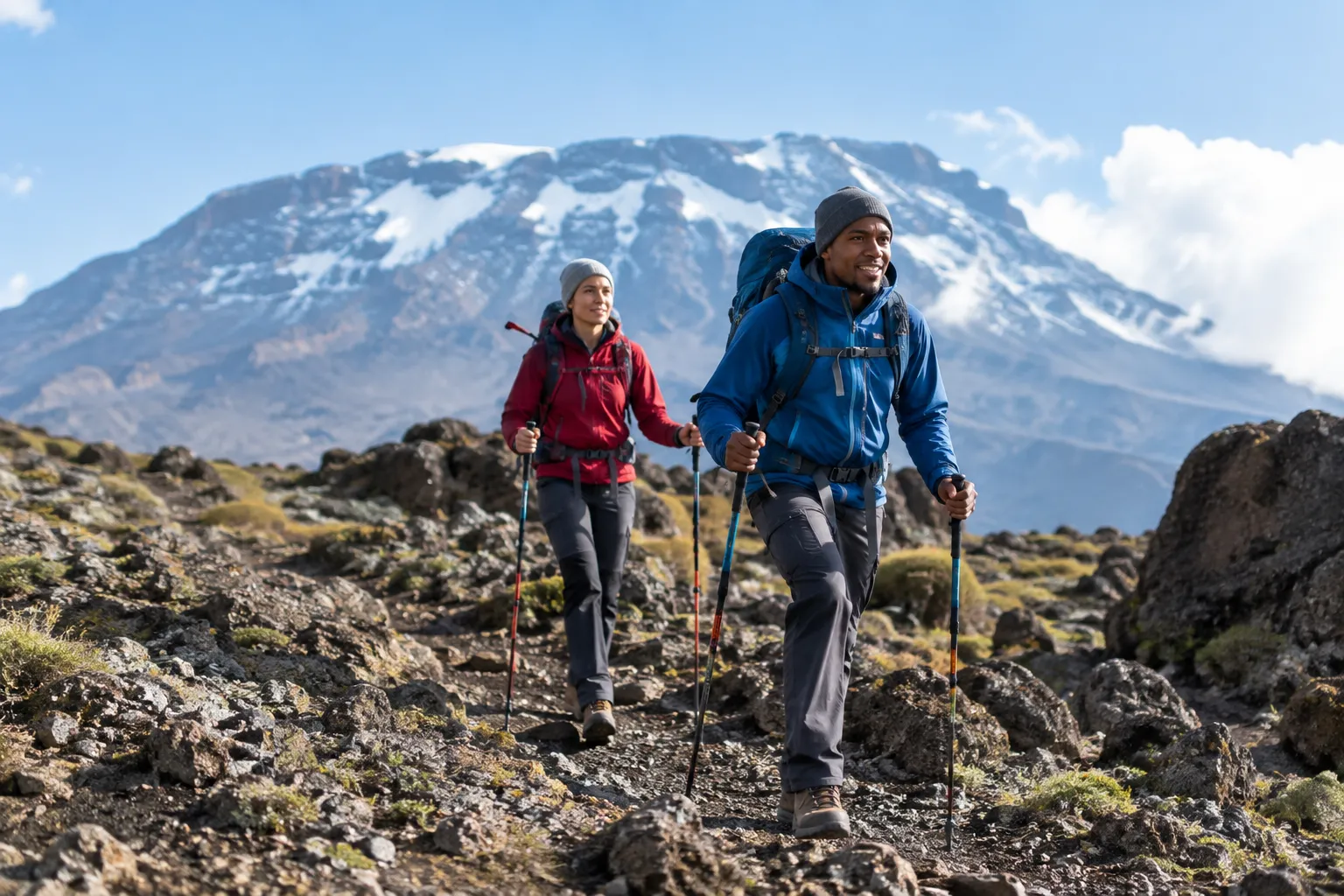
A guided climb combines several days of trekking, overnight camp or hut arrangements depending on the route, and a summit attempt, with altitude and fatigue adding to the physical challenge.
Daily trekking, acclimatization and summit day
TANAPA says climbs typically take five to eight days. That range is useful context, not a recommendation for every traveler: route and itinerary details matter, and a longer schedule can allow more time on the mountain. Ask for the daily plan, sleeping elevations, and how the itinerary handles acclimatization before choosing.
The summit attempt is a demanding part of the climb, often beginning during the night and continuing toward the highest point. Conditions, altitude response, and individual health can affect whether someone continues. No route or operator can guarantee a summit.
For a first climb, plan more than the trek itself. Leave room for travel connections, baggage handling, and rest before starting; avoid scheduling an exhausting arrival immediately before the climb. Build training around walking and hiking, with gradual increases in time and effort. A qualified healthcare professional can advise on your personal readiness, health conditions, and travel health needs.
Guide support and health monitoring
Professional guides provide on-route leadership, but buyers should ask specifically how the operator monitors climbers’ wellbeing and responds if someone feels unwell. The CDC’s guidance on high-altitude travel and altitude illness explains why acclimatization and recognizing symptoms matter.
Ask what health checks are part of the itinerary, how concerns are escalated, and what happens if a climber needs to descend. The phrase “WFR-trained guides” is worth clarifying directly: ask which guides hold that training, what it covers, and how it fits into the team’s emergency response. A credential is relevant context, not a promise of a particular outcome.
Kilimanjaro Routes and How to Choose One
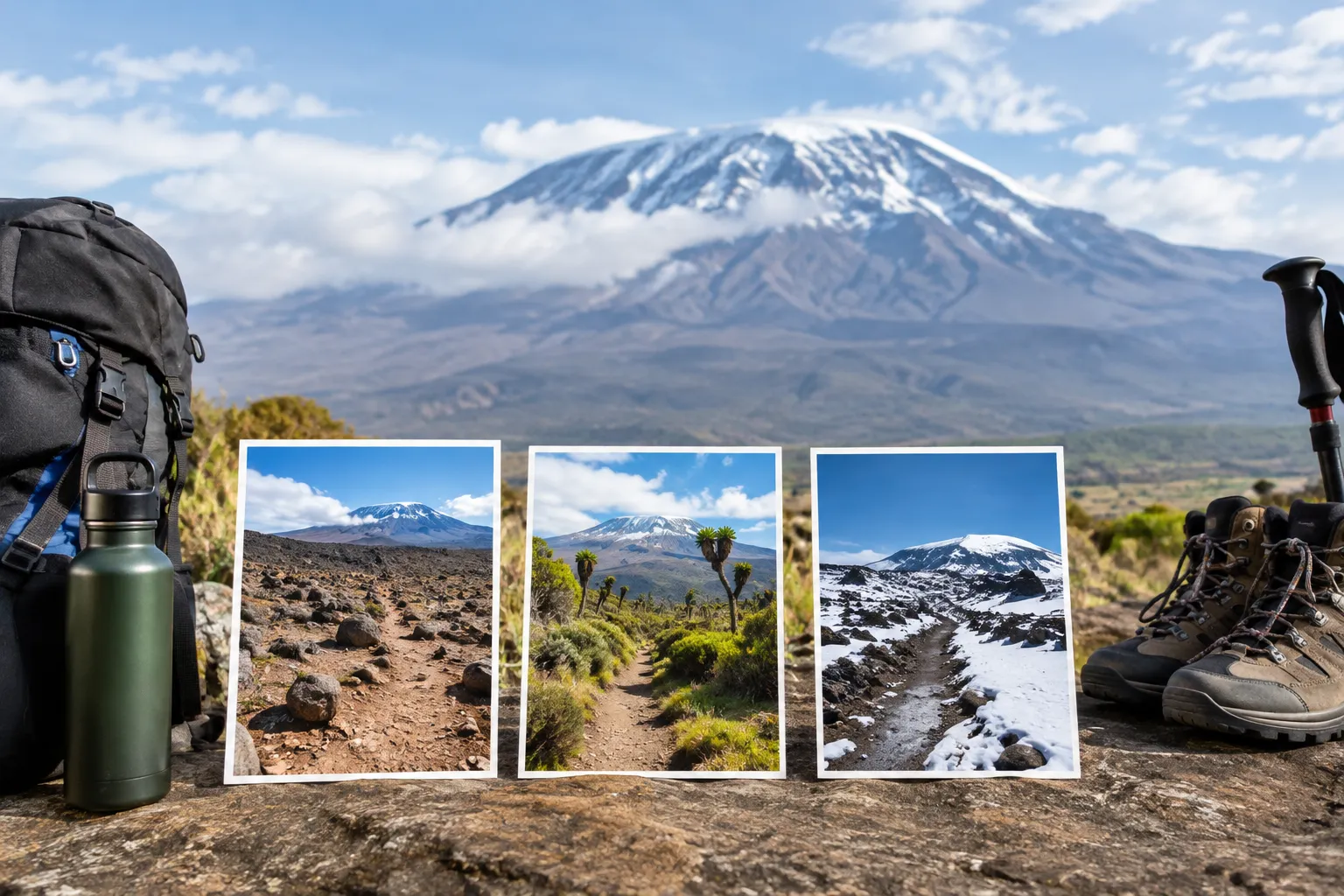
Eco Africa Climbing offers five routes: Lemosho, Machame, Northern Circuit, Rongai, and Marangu. Choose by comparing itinerary length, route character, sleeping arrangements, and how each plan supports gradual acclimatization.
Lemosho, Machame and Northern Circuit
Lemosho, Machame, and the Northern Circuit approach the mountain from its western or southern sides and differ in itinerary and route progression. The right fit depends on the specific schedule and the tradeoffs you prefer; avoid choosing by route name alone.
Request a day-by-day itinerary and compare the number of days, camp locations, and the planned ascent. More time on a route may provide additional opportunity to acclimatize, but it does not remove altitude risk. For a focused comparison, read Northern Circuit versus Machame.
Rongai and Marangu
Rongai approaches from the north, while Marangu is the hut-based route. These are practical distinctions to weigh alongside the itinerary and your preferred sleeping arrangement. Ask what accommodation is used on each night and what gear you must bring or rent separately.
Marangu’s hut accommodation may appeal to travelers who prefer huts over camping, but that preference alone does not establish that a route is easier or a better fit. Confirm the full schedule and how the route handles acclimatization.
Group or private climb
A group climb may suit travelers who want to join a shared expedition; a private Kilimanjaro climb may fit those seeking a trip arranged for their own party. Group size, departure dates, and whether departures are guaranteed are booking details to confirm rather than assume.
Ask how many climbers are expected, whether the group includes people with different paces, and what support is available if someone needs to stop or descend. Solo travelers, including women traveling alone, can ask about group composition, rooming arrangements before and after the climb, and how the operator handles individual concerns. Private travel offers more control over the party, but travelers should compare its total cost and logistics with group options.
How Eco Africa Climbing Supports a Kilimanjaro Trip
Eco Africa Climbing is a Tanzania-based trekking and safari company and a KPAP Partner Company, offering guided climbs on five routes. Before booking, match those services to the itinerary, porter-welfare details, and total trip costs you need.
Local planning and porter welfare
KPAP partnership is a concrete point for travelers researching porter treatment. Eco Africa Climbing describes itself as a KPAP Partner Company and says it is committed to porter welfare and responsible tourism. Ask how porter welfare is reflected in your specific expedition, what support and equipment the crew receives, and how tipping is handled.
Do not rely on a headline trip price alone. Request an itemized explanation of what is included and excluded, including park fees, meals, transfers, accommodation, gear, and tips. Confirm whether flights and pre- or post-climb lodging are separate, and ask what payment or deposit terms apply before committing.
A polished website or a single review cannot answer every operational question. Request written details for the route and departure you are considering, then compare like with like. For an operator described as supporting health monitoring, ask what checks are planned and who makes decisions if a climber becomes ill. These questions help distinguish stated commitments from the arrangements for your particular trip.
Adding a Tanzania Safari After the Climb
A private Tanzania safari can extend a Kilimanjaro trip with wildlife viewing, but it adds travel days and planning that should be coordinated with your recovery needs.
Eco Africa Climbing offers private Tanzania safaris, including trips to destinations such as Serengeti National Park, Ngorongoro Crater, and Tarangire National Park. Ask how the safari timing, transport, and accommodation fit around the climb, and leave space to rest after the trek rather than assuming you will want to travel immediately.
Compare the safari itinerary separately from the climb: which destinations are included, how many days are planned, and what costs are covered? Also confirm whether the safari is private and how it is coordinated with your arrival and departure flights. The extension may suit travelers with extra time who want both a mountain trek and wildlife travel; it may not suit someone with a tight schedule or limited recovery time.
Kilimanjaro Climbing FAQ
Is Kilimanjaro bigger than Everest?
No. Mount Everest is higher than Kilimanjaro; Uhuru Peak reaches 5,895 meters, making it Africa’s highest point, not the world’s highest mountain.
Is Mount Kilimanjaro a difficult climb?
Yes, it is physically demanding because it involves multiple days of trekking and high altitude, even though it does not require technical climbing on standard routes. Fitness cannot predict an individual’s response to altitude.
Do you need oxygen to climb Kilimanjaro?
Supplemental oxygen is not a substitute for acclimatization or a safe ascent plan, and climbers should ask the operator what emergency equipment and procedures are provided. Discuss personal altitude and health concerns with a qualified healthcare professional before travel.
Decide Whether to Explore a Guided Kilimanjaro Climb
A guided climb may fit travelers prepared for sustained walking, careful altitude planning, and a full-cost review; it may not suit someone seeking a low-effort trip or a guaranteed summit.
- Compare the five route options by requesting day-by-day itineraries, sleeping arrangements, and the number of days on the mountain.
- List the full trip costs you need to budget, including airfare, gear, tips, park fees, and any extra nights, then confirm what the operator’s quote covers.
- Ask about KPAP partnership, porter welfare, guide training, group size, departure guarantees, and health-monitoring procedures for your specific trip.
- Check your travel schedule for baggage connections, arrival rest, and recovery time before adding a safari.
- Choose whether a group departure or private Kilimanjaro climb better fits your party, budget, and preferred level of coordination.
- Review the itinerary and your personal health and travel questions with the relevant professionals before making a booking.