 30 Sep 2026
 4 min read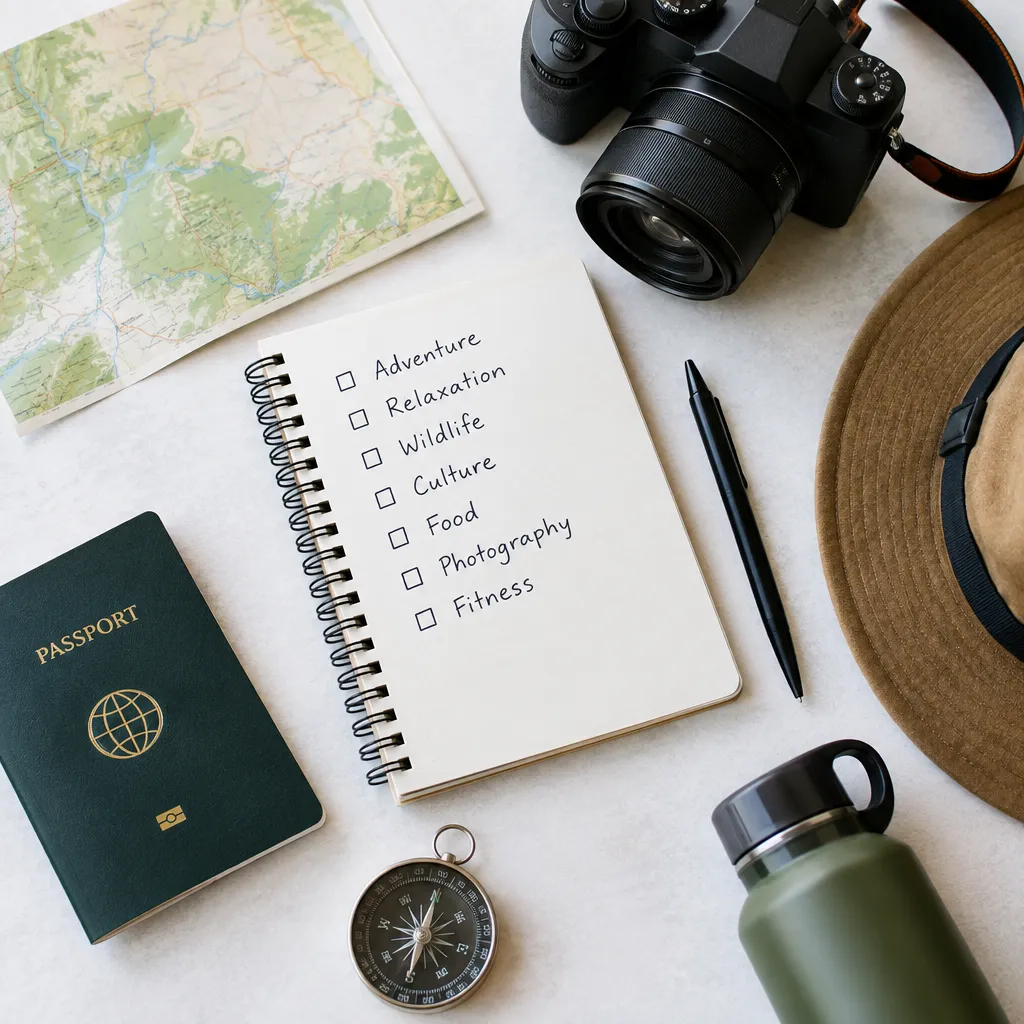
1. Match the choice to your real routine
Choose guided group tours when you are comfortable following a shared pace and schedule. They can suit travelers who enjoy meeting others and want a structured climb. Private guided tours make more sense when you need date flexibility, slower pacing, dietary adjustments, or support built around your own preferences.
For solo travelers, a private arrangement can also provide a more consistent support structure. Compare both options through our private Tanzania adventures before deciding.
2. Compare value over the full use period
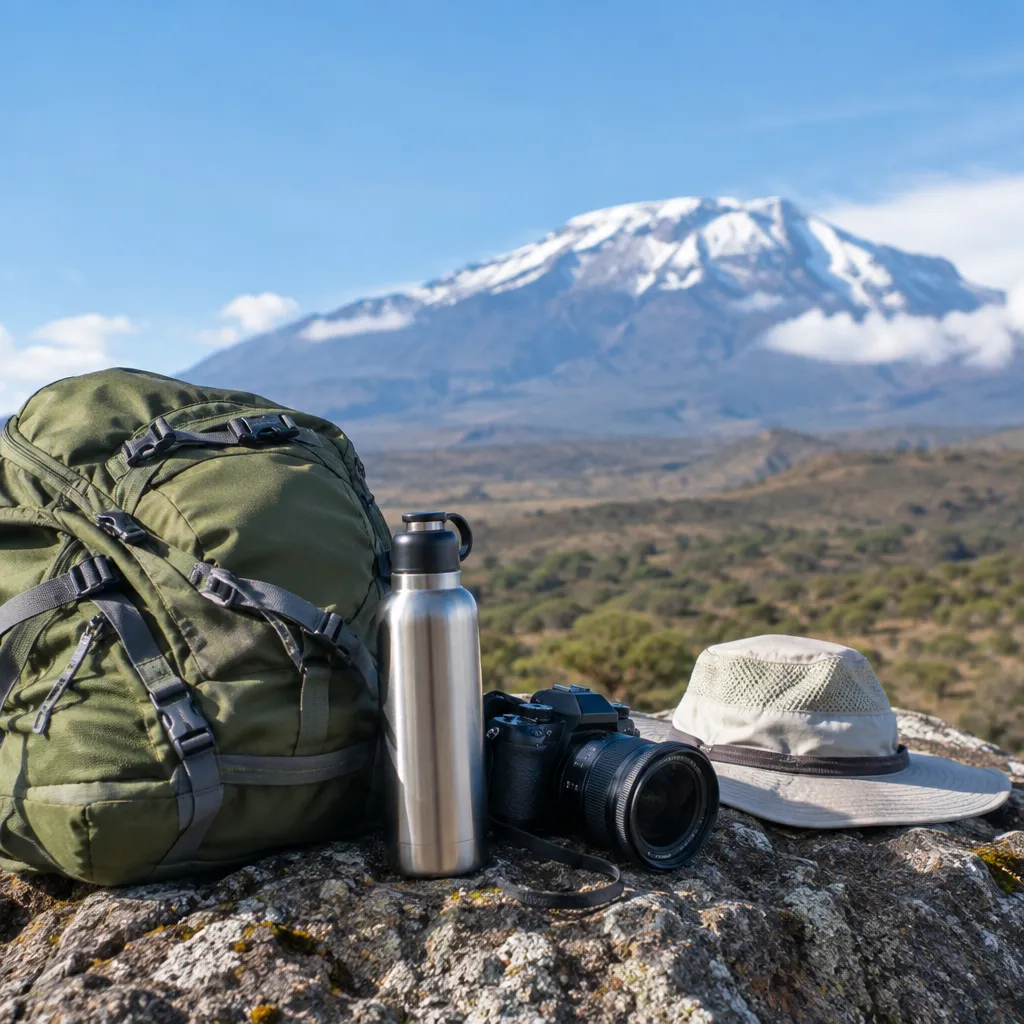
The extra cost of a private climb should buy practical value, not just a more polished presentation. Consider the complete trip budget: government fees, accommodation, transport, gear, flights, tips, and any safari extension. Ask exactly what is included before comparing operators.
A group price may be the better fit when your dates and needs are straightforward. Our guide to private or group Kilimanjaro tours explains the wider tradeoffs.
3. Separate must-have features from nice-to-haves
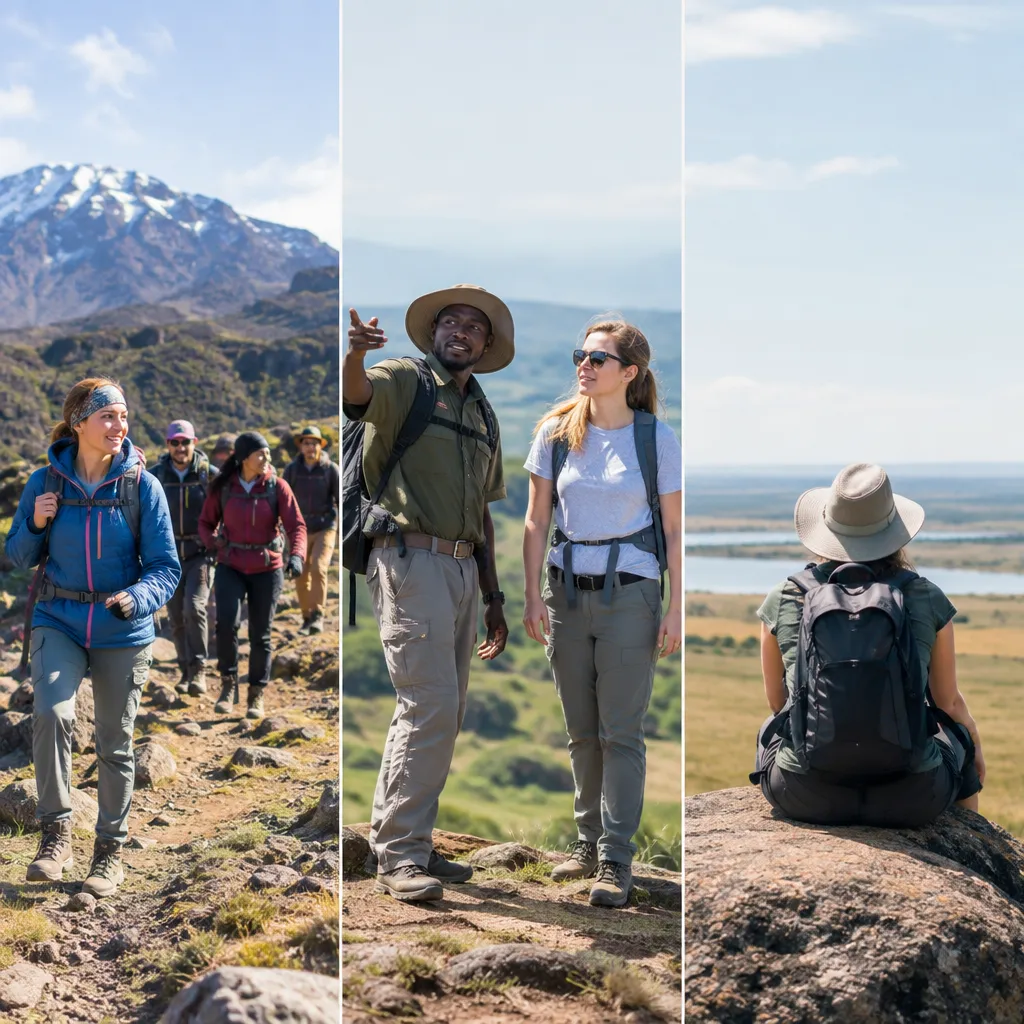
Start with essentials rather than searching for the “best guided tours” in the abstract. Ask about route options, guide qualifications, daily health monitoring, porter welfare, meals, baggage arrangements, tipping guidance, and emergency procedures.
Private planning can be useful for dietary requirements, a preferred route, or a safari add-on after the climb. If wildlife viewing is part of your plan, compare Tanzania safari tours separately from the mountain itinerary.
4. Check the tradeoffs before you commit
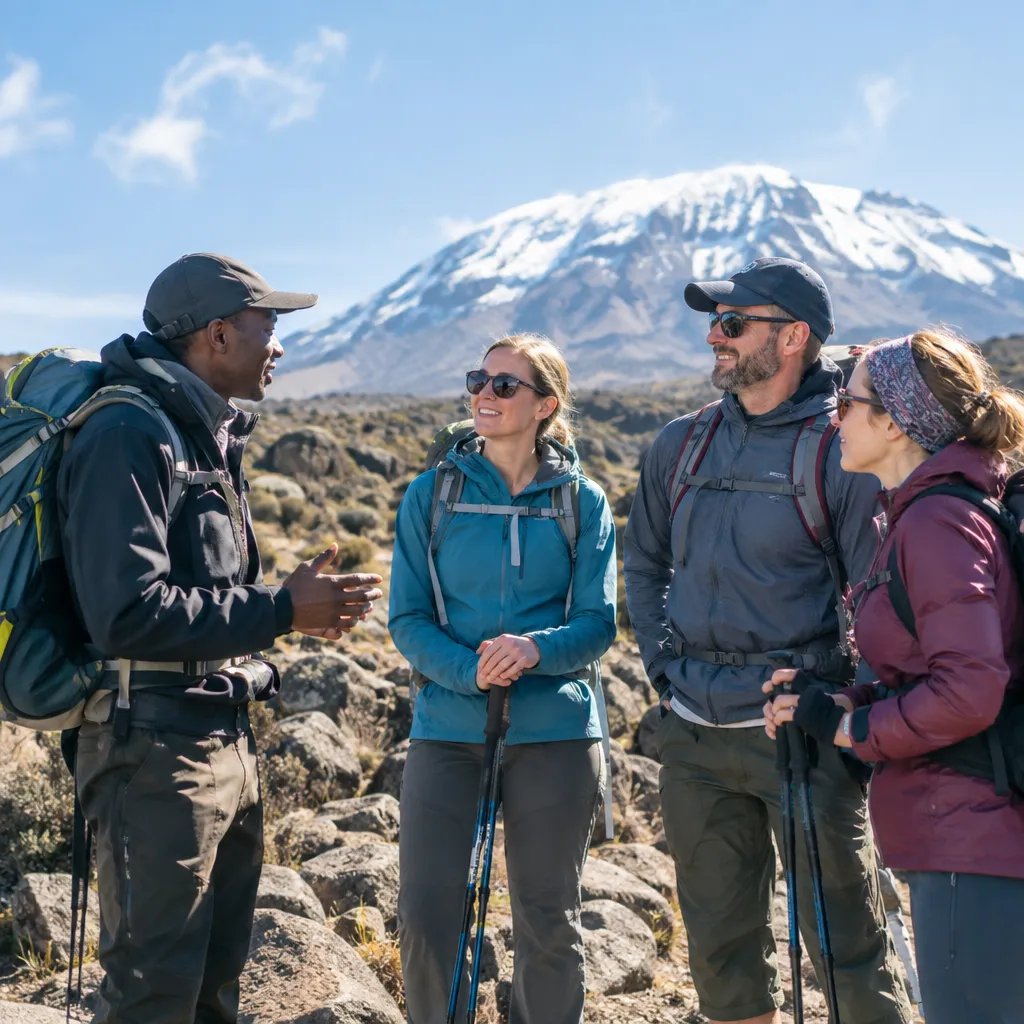
Private guided tours are not automatically better. You may pay more for flexibility you never use, while group guided tours can offer companionship and a simpler shared schedule. A private group also requires clear communication about pace, fitness, sleeping arrangements, and decision-making.
Check whether the operator is a KPAP Partner Company and ask how porters are treated. Also confirm guide training, altitude monitoring, inclusions, tips, and exclusions rather than relying on broad ethical claims.
5. Use a simple final decision rule
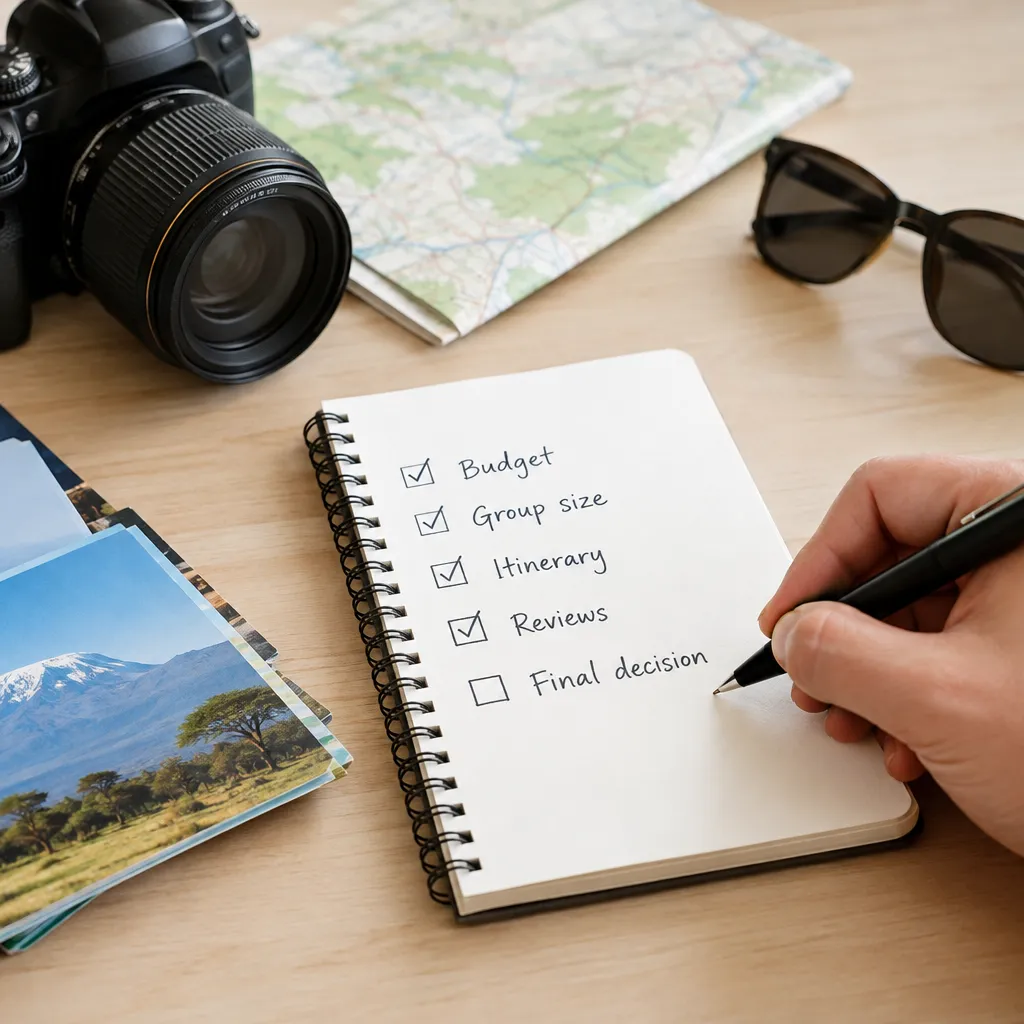
Choose private if at least one of these is central to your trip:
- You need dates that do not match scheduled departures.
- You require a specific pace or route.
- You have dietary or accessibility needs to discuss.
- You want a private safari extension.
- You are traveling alone and value one consistent support plan.
Choose a group climb when your dates, route, pace, and budget align with the shared itinerary.
6. One more thing that makes a difference
Arrival timing affects the value of any guided group tours or private arrangement. Allow time for sleep, baggage issues, and recovery before climbing rather than planning a demanding itinerary immediately after a long flight.
Also budget for training, suitable gear, tips, and possible airport baggage handling. A cheaper package can become less attractive when important costs are left outside the quote.
7. Another angle worth knowing
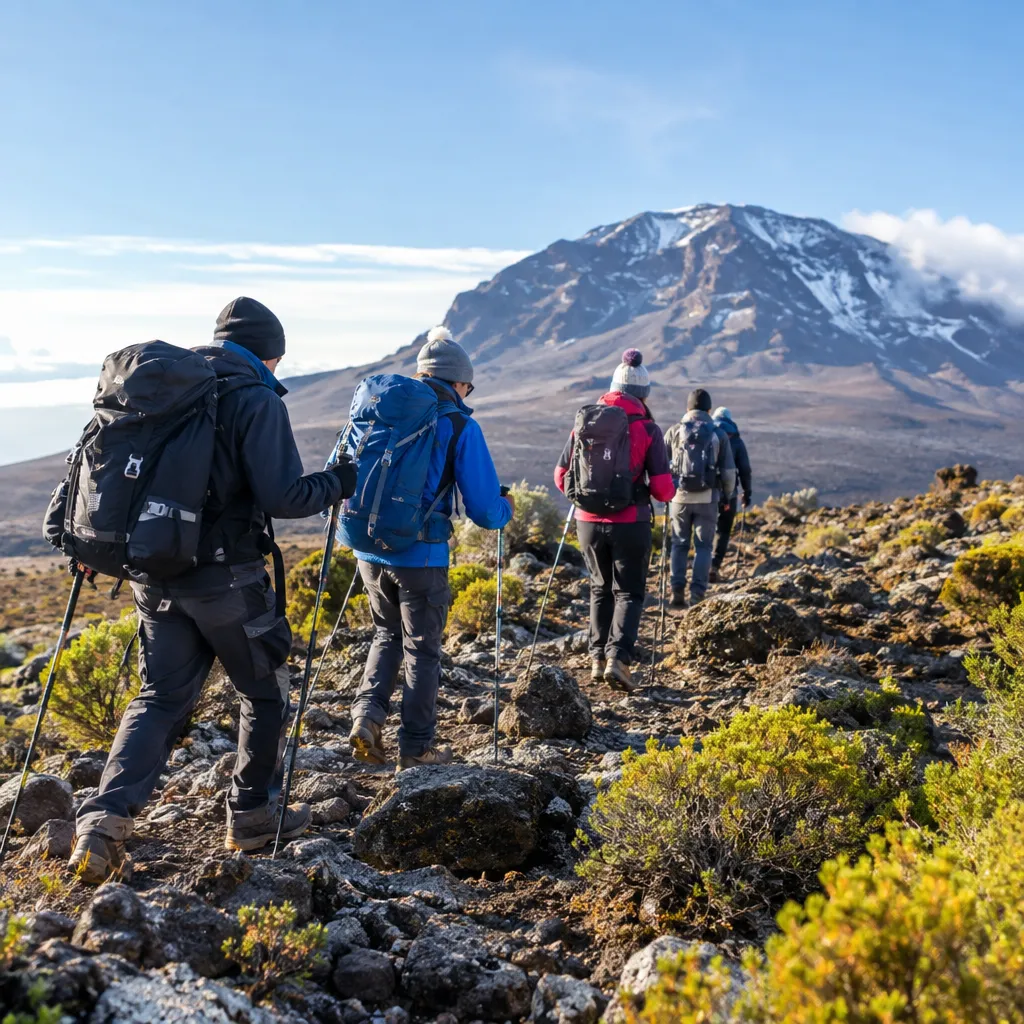
Consider how you respond when the day does not go to plan. On a private climb, your group can discuss pace changes and rest decisions more directly. In a group, the itinerary must balance several travelers, so flexibility may be more limited.
Neither format guarantees a summit result. Professional guides, daily health checks, and a route that allows acclimatization support sound decisions, but altitude always involves uncertainty.
8. A detail people often overlook
Ask how the operator supports responsible trekking in practice. Eco Africa Climbing is a KPAP Partner Company, and questions about porter welfare, guide standards, medical support, food, equipment, and tipping should be answered clearly before booking.
A useful comparison is not “private versus group” alone. It is whether the operator explains the full cost, responsibilities, route plan, and support you receive in writing.
Guided group tours FAQ
Does the operator offer group tours?
Yes. Eco Africa Climbing offers Kilimanjaro Group Climbs as well as private climbing arrangements, subject to the itinerary and dates discussed with the company.
What are some good group tours for seniors?
Look for an itinerary with a suitable pace, clear altitude-monitoring procedures, experienced guides, and realistic route planning. Fitness, medical advice, and personal comfort should guide the choice more than age alone.
Guided group tours basics: what should you know first?
Confirm the route, duration, inclusions, exclusions, group arrangements, tipping expectations, gear needs, arrival rest, and operator standards before paying a deposit.
Guided group tours options: how do you choose the right one?
Compare dates, route, pace, group format, support, total trip costs, and safari plans. Choose private guided tours when flexibility matters more than sharing the itinerary.
Guided group tours mistakes: which ones should you avoid?
Avoid comparing headline prices alone, skipping questions about KPAP and porter treatment, underestimating arrival rest, and assuming tips, gear, flights, or government fees are included.
Guided group tours in daily use: what should you expect?
Expect a planned daily schedule, shared decisions, walking at a managed pace, health check-ins, and practical support from the guide team. Exact arrangements depend on the selected itinerary.
Guided group tours comparisons: what should you check before deciding?
Check what is included, who leads the climb, how altitude concerns are handled, how porters are treated, what changes are possible, and whether the total cost fits your budget.
Recommended next steps
Write down your preferred dates, route, group size, dietary needs, fitness concerns, arrival plan, and safari interests. Then request a detailed comparison of private guided tours and group guided tours, including inclusions, exclusions, tipping, gear, and deposit terms.
Sedrick Silayo is a Web Developer and Digital Marketing Expert at Eco-Africa Climbing, with over 10 years of experience in Tanzania’s adventure travel industry. He specializes in Kilimanjaro trekking and Northern Tanzania safaris, sharing practical expertise on trip planning, mountain preparation, safety, KPAP standards, and safari experiences.