Serengeti Safari After Kilimanjaro for Women: What to Expect
A Serengeti safari after Kilimanjaro for women creates one of the most dramatic contrasts you can experience in Tanzania.
For several days, your attention on Kilimanjaro is focused on the trail, your breathing, your layers, the next camp, altitude, and eventually the summit.
Then the rhythm changes.
Instead of walking for hours, you sit in a safari vehicle and begin scanning wide landscapes for wildlife.
Your trekking poles are no longer the focus. Your hiking pace no longer matters. Your legs can begin recovering while your Tanzania adventure continues.
For WomenClimbKili guests who choose the optional safari extension, Serengeti is one of the key destinations included alongside Tarangire National Park and Ngorongoro Crater.
Why Visit Serengeti After Kilimanjaro?
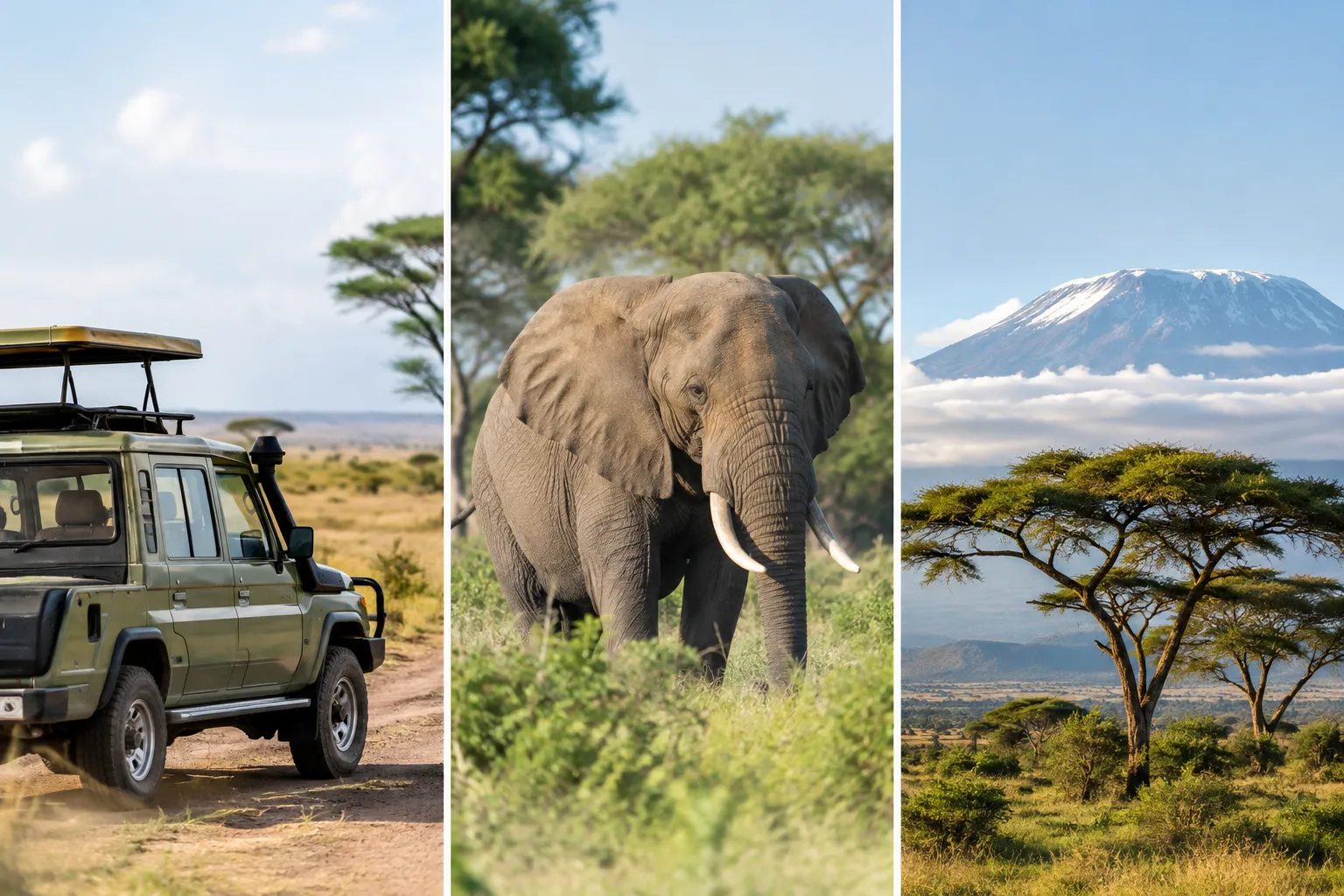
Kilimanjaro and Serengeti represent two completely different sides of Tanzania.
Kilimanjaro gives you:
- Altitude.
- Multi-day trekking.
- Mountain camps.
- Physical challenge.
- Summit ambition.
Serengeti gives you:
- Wildlife viewing.
- Open landscapes.
- Photography opportunities.
- A slower travel pace.
- Time to recover after the climb.
The Contrast Is What Makes the Combination Special
One part of the journey asks you to move.
The other asks you to observe.
That difference can make a combined Kilimanjaro and Serengeti trip feel much more complete than returning home immediately after the mountain.
Why Put Serengeti After the Climb?
For many women, doing the physically demanding part first makes sense.
Before Kilimanjaro, you may want to protect:
- Your energy.
- Your sleep.
- Your feet.
- Your legs.
- Your training confidence.
After the trek, you no longer need to preserve yourself for summit night.
You Can Relax More After the Mountain
Once Kilimanjaro is complete, safari becomes a celebration rather than something you need to manage around a future summit attempt.
What Does Serengeti Feel Like After Kilimanjaro?
The first thing many climbers may notice is how different the pace feels.
On the mountain, progress depends on your own feet.
On safari, the vehicle carries you through the landscape while you watch for wildlife.
Your Legs Finally Get a Break
After several days of trekking, tired legs are normal.
You may still feel:
- Quadriceps soreness.
- Tight calves.
- Tired feet.
- General fatigue.
Safari gives you a much less physically demanding way to continue exploring Tanzania.
Serengeti Is Not a Recovery Clinic
Safari can feel relaxing, but your body is still recovering from the mountain.
Continue paying attention to:
- Hydration.
- Regular meals.
- Comfortable footwear.
- Sleep.
- Muscle soreness.
Long Vehicle Time Can Make You Stiff
After Kilimanjaro, sitting for long periods may make your legs feel stiff.
When appropriate, gentle movement during stops can feel good.
What Is the Serengeti?
Serengeti National Park is one of Tanzania’s most famous wildlife areas and one of the best-known safari destinations in Africa.
The landscape is associated with wide open plains and diverse wildlife.
Why the Scale of Serengeti Feels Special
After spending days focused on a narrow mountain trail, the openness of Serengeti can feel enormous.
Your attention shifts from the next few metres of trail to the horizon.
Wildlife Viewing Is Unpredictable
Safari is not like visiting a zoo.
Animals move freely through the environment.
That means one game drive can look completely different from another.
Do Not Expect a Guaranteed Checklist
You may hope to see:
- Lions.
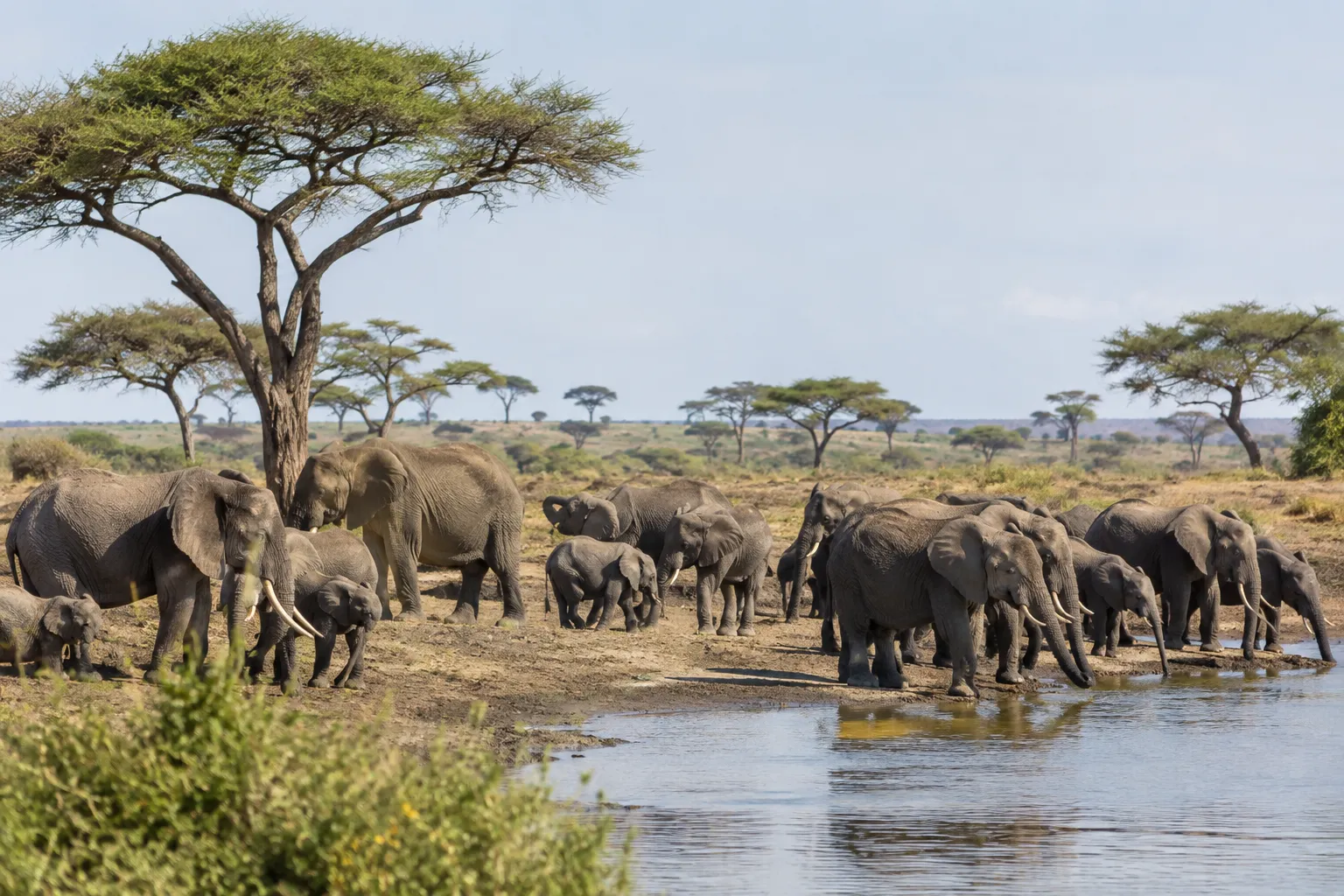
- Elephants.
- Giraffes.
- Zebras.
- Antelope.
- Other wildlife.
But wildlife sightings depend on natural movement and conditions.
The Search Is Part of Safari
Sometimes you may drive through quiet areas before suddenly encountering a memorable wildlife scene.
Why Patience Helps
Interestingly, one lesson from Kilimanjaro carries directly into safari:
patience.
On the mountain, you wait for progress one step at a time.
On safari, you wait for wildlife to reveal itself.
Safari Is Not About Speed Either
The goal is not to drive as quickly as possible through Serengeti.
The experience comes from observing what is happening around you.
Why Serengeti Works Well for Solo Female Travelers
For solo women, a combined mountain and safari itinerary can simplify a larger Tanzania trip.
Instead of planning one independent journey for Kilimanjaro and another separate safari later, both experiences can form part of the same adventure.
You Do Not Need a Travel Partner
Solo female travelers are welcome to join scheduled WomenClimbKili departures.
You can arrive independently and join other women for the mountain experience.
The Social Side of Safari After a Group Climb
After sharing several days on Kilimanjaro, continuing into safari can feel very different from meeting strangers for the first time.
You have already shared:
- Long hiking days.
- Barranco Wall.
- Cold mornings.
- Altitude.
- Summit preparation.
Safari Gives the Group a Different Way to Spend Time Together
Instead of encouraging each other uphill, you can share wildlife sightings and enjoy a slower pace.
Serengeti Photography After Kilimanjaro
For many women, the camera becomes much more important on safari than on the mountain.
Phone Photography
Modern phones can capture excellent travel memories, especially for:
- Landscapes.
- Group photos.
- Animals at closer range.
- Short videos.
Dedicated Cameras
If wildlife photography is a major priority, a dedicated camera may provide more flexibility for distant subjects.
Do Not Buy Complicated Camera Gear at the Last Minute
If you bring a camera, learn how to use it before Tanzania.
Wildlife Can Move Quickly
A great sighting may not wait while you search through menus and settings.
Battery Management
Keep your electronics charged and organized.
Your Phone May Already Be Tired From Kilimanjaro
After several days on the mountain, recharge your devices before the safari whenever possible.
Do Not Experience Serengeti Only Through the Camera
Take photographs, but also spend time watching wildlife without a screen in front of your face.
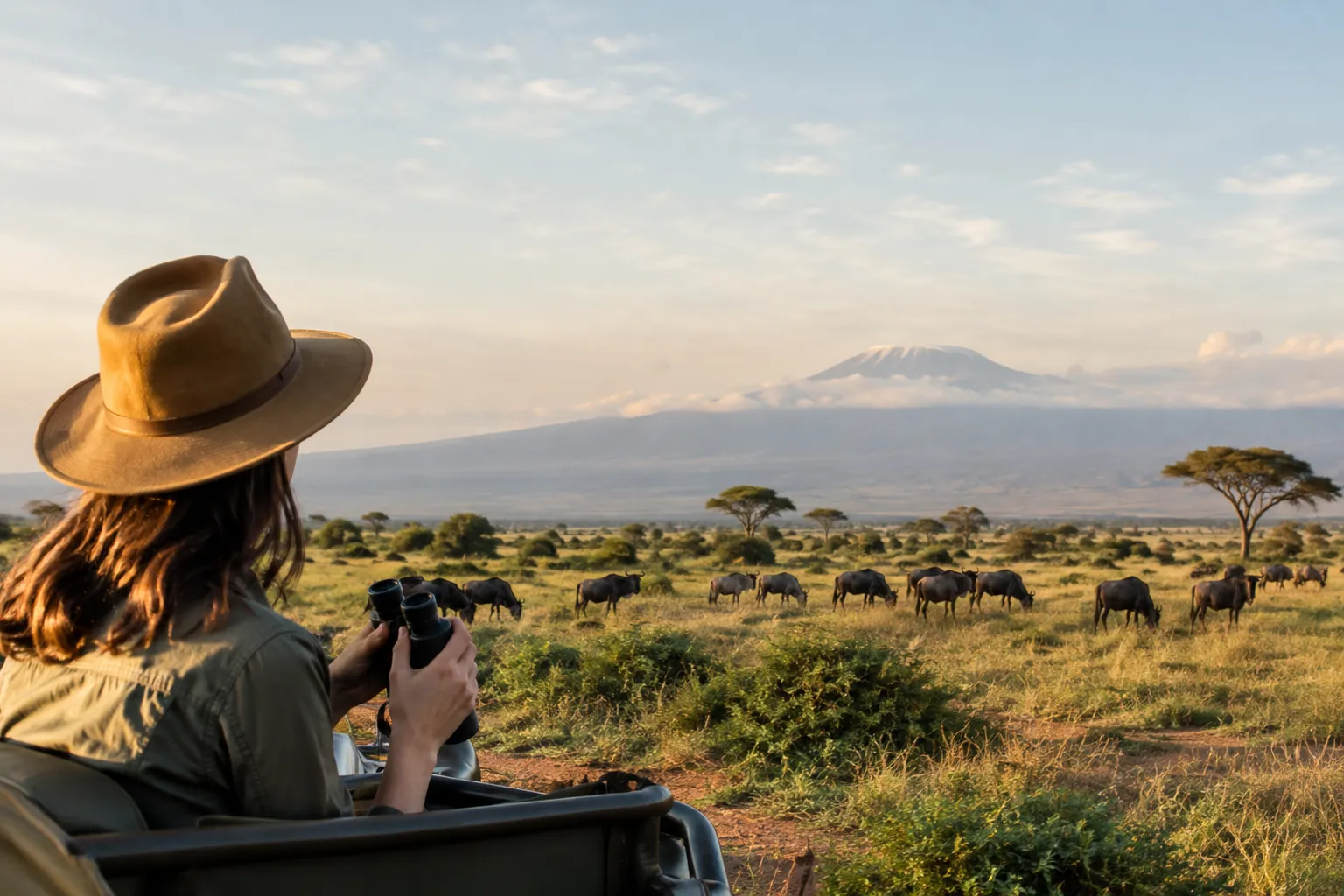
Binoculars on Serengeti Safari
Binoculars can make distant wildlife easier to observe.
They can be especially useful when animals are not close to the vehicle.
What Should Women Wear in Serengeti?
You do not need an entirely new wardrobe after Kilimanjaro.
Comfortable travel clothing is generally the priority.
Useful Safari Clothing
- Comfortable trousers or travel pants.
- Light shirts.
- Long sleeves where useful.
- Light warm layer.
- Sun hat.
- Comfortable footwear.
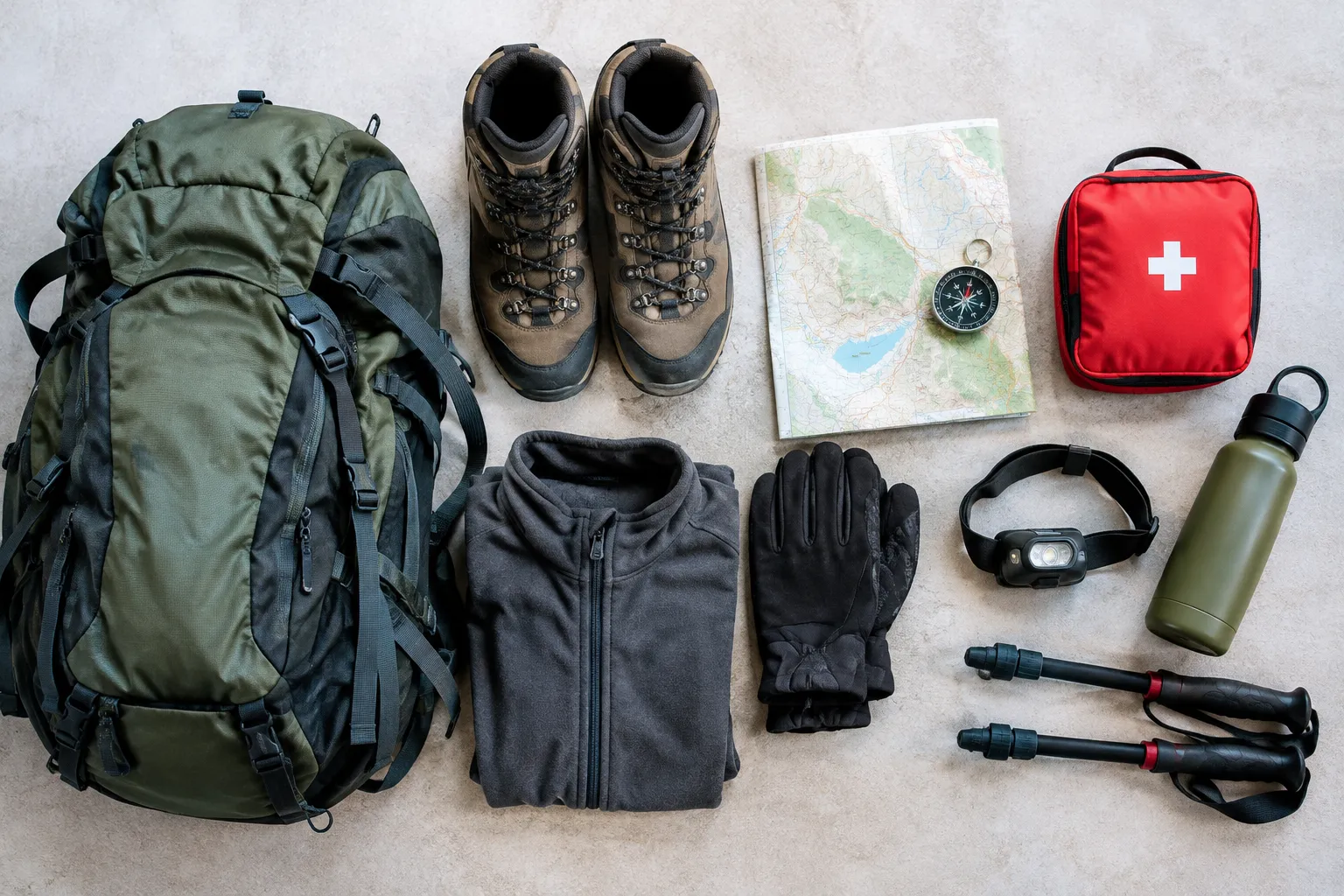
You Can Reuse Some Kilimanjaro Gear
Your lighter trekking clothing may work perfectly well on safari.
You Probably Do Not Need Summit Clothing During the Day
The heavy cold-weather system used for summit night is usually far more than you need for ordinary safari conditions.
Keep a lighter layer available for cooler periods.
Comfort Matters More Than Safari Fashion
You may spend significant time sitting in a vehicle.
Choose clothing that remains comfortable for long travel periods.
Footwear After Kilimanjaro
Many women are happy to stop wearing hiking boots after completing the mountain.
Give Your Feet a Break
Comfortable lighter footwear may feel much better if your feet are tired.
Check Your Feet Before Safari
Look for:
- Blisters.
- Hot spots.
- Toenail tenderness.
- Swelling.
Do Not Ignore Significant Foot Problems
If you have severe pain or concerning swelling after the climb, seek appropriate medical attention.
Sun Protection in Serengeti
Safari can involve long periods of daylight exposure.
Keep useful protection accessible:
- Sunglasses.
- Sunscreen.
- Sun hat.
- Lip protection.
Do Not Assume the Vehicle Removes All Sun Exposure
You may still spend long periods in bright conditions.
Hydration After Kilimanjaro
Your hydration habits should not disappear the moment the climb ends.
Continue drinking regularly during safari days.
Why You May Forget to Drink
Wildlife sightings, photography and long vehicle drives can distract you.
Food During the Recovery Period
After high-altitude trekking, some women notice their appetite becomes stronger again.
Regular meals help support recovery.
Do Not Turn Safari Into Another Endurance Challenge
The mountain is complete.
Allow yourself to slow down.
Sleep After Kilimanjaro
After several nights on the mountain, normal accommodation can feel especially comfortable.
Your Body May Want More Sleep
Multi-day trekking and summit night can create accumulated fatigue.
Take recovery seriously.
Do Not Fill Every Evening With Activities
Rest can make the safari more enjoyable.
Women Traveling During Their Period
Safari generally gives you easier access to personal items than trekking on Kilimanjaro.
Keep Menstrual Products in Your Day Bag
Do not place all personal hygiene supplies somewhere difficult to access during a long driving day.
Bring Your Preferred Products
If you strongly prefer a particular product, bring enough with you rather than assuming the same brand will be available everywhere.
Women in Perimenopause
A light layering system can help manage changing temperature comfort during long safari days.
Women Over 40
Serengeti after Kilimanjaro can provide a good contrast between a major physical achievement and a more relaxed exploration experience.
Women Over 50
The same is true for women over 50.
After completing the mountain, safari allows you to see more of Tanzania without adding another major trekking challenge.
Women Over 60
Women over 60 can also enjoy a post-climb safari depending on individual health, recovery and travel comfort.
Do You Need to Be Fit for Serengeti?
Not in the same way you need fitness for Kilimanjaro.
Wildlife viewing is primarily vehicle-based rather than strenuous multi-day trekking.
That Makes Safari a Natural Second Half of the Trip
You can continue exploring without asking your legs to complete another mountain.
What About Motion Sickness?
If you know you are prone to motion sickness, discuss appropriate prevention with a healthcare professional before travel.
Do Not Wait Until the Safari Starts to Think About It
Prepare any personal travel-health needs in advance.
Dust and Dry Conditions
Some safari roads can be dusty depending on conditions.
Keep:
- Electronics protected.
- Camera equipment covered when not in use.
- Sunglasses accessible.
Hair on Safari
Simple hairstyles are usually easiest during long travel days.
Long Hair
Braids, ponytails and other practical styles can make wind and vehicle travel easier to manage.
Do Not Overcomplicate Your Post-Climb Routine
After Kilimanjaro, simple and comfortable usually wins.
What Should Be in Your Safari Day Bag?
A practical day bag may include:
- Phone or camera.
- Sunglasses.
- Sunscreen.
- Personal medication.
- Hygiene essentials.
- Light warm layer.
- Power bank where useful.
Do Not Carry Your Entire Travel Bag in Your Lap
Keep daily essentials organized and easy to reach.
Serengeti After a Women-Only Kilimanjaro Climb
One of the advantages of combining these experiences is that the group has already shared something meaningful before entering Serengeti.
The mountain creates memories that can become part of the safari experience.
The Conversations Change
On Kilimanjaro, conversations may focus on:
- Altitude.
- The next camp.
- Barranco Wall.
- Summit night.
In Serengeti, they may shift to:
- Wildlife.
- Photography.
- The summit memories.
- What everyone wants to see next.
Maximum WomenClimbKili Group Size
Scheduled WomenClimbKili groups have a maximum of 12 women.
Can You Join Alone?
Yes.
Solo female travelers are welcome.
Can Private Dates Be Arranged?
Yes.
If scheduled WomenClimbKili dates do not fit your plans, private climb dates can be arranged throughout the year with no minimum group size.
Where Serengeti Fits in the Optional Safari Extension
The WomenClimbKili optional safari is a 4-day extension that includes:
- Tarangire National Park.
- Serengeti National Park.
- Ngorongoro Crater.
Safari Extension Price
The optional 4-day safari is US $2,400 per lady.
Combined Kilimanjaro and Safari Price
The WomenClimbKili climb-and-safari option is US $5,350 per lady.
Combined Trip Deposit
The deposit for the climb-and-safari option is US $1,605 per lady.
Can You Choose Kilimanjaro Without Safari?
Yes.
The climb-only option is available for women who prefer to finish their trip after Kilimanjaro.
Climb-Only Price
The climb-only option is US $2,950 per lady.
Is the Serengeti Extension Mandatory?
No.
Safari is optional.
Common Mistake: Planning Safari Like Another Expedition
You do not need to treat Serengeti like another mountain challenge.
Relax and enjoy the change of pace.
Common Mistake: Overpacking
Reuse suitable lighter clothing from your Kilimanjaro trip where practical.
Common Mistake: Wearing Hiking Boots for Everything
After the mountain, comfortable lighter footwear may feel much better.
Common Mistake: Forgetting to Charge Electronics
Recharge your phone, camera and power bank before wildlife-viewing days.
Common Mistake: Expecting Wildlife on Demand
Serengeti is a natural ecosystem, not a staged wildlife show.
Common Mistake: Forgetting Recovery
Your body may still be tired from Kilimanjaro.
Respect that.
Common Mistake: Spending the Whole Safari Taking Photos
Some moments are worth simply watching.
Simple Post-Kilimanjaro Serengeti Checklist
| Focus | What to Remember |
|---|---|
| Recovery | Expect some leg and foot fatigue after Kilimanjaro |
| Clothing | Choose comfortable layers rather than heavy summit gear |
| Footwear | Give tired feet comfortable shoes |
| Sun | Keep sunglasses, sunscreen and sun protection accessible |
| Hydration | Continue drinking regularly |
| Photography | Charge cameras, phones and backup power |
| Wildlife | Enjoy the search rather than expecting guaranteed sightings |
Frequently Asked Questions
Is Serengeti a good safari after Kilimanjaro for women?
Yes. It provides a completely different experience after the physical challenge of Kilimanjaro and allows you to continue exploring Tanzania at a much slower pace.
Is Serengeti physically demanding after Kilimanjaro?
Wildlife viewing is primarily vehicle-based, making it much less physically demanding than multi-day mountain trekking.
Can solo women join the safari?
Solo female travelers are welcome to join WomenClimbKili scheduled departures and can choose the optional safari extension.
What wildlife will I see in Serengeti?
Serengeti supports diverse wildlife, but exact sightings cannot be guaranteed because animals move naturally through the ecosystem.
What should women wear in Serengeti after Kilimanjaro?
Choose comfortable travel clothing, light layers, sun protection and practical footwear. Some lighter Kilimanjaro clothing can be reused.
Do I need my hiking boots for Serengeti?
You may not need heavy hiking boots for ordinary vehicle-based wildlife viewing. Comfortable footwear can give your feet a welcome break after Kilimanjaro.
Should I bring binoculars?
Binoculars can be useful for viewing animals that are farther from the vehicle.
How long is the WomenClimbKili safari extension?
The optional safari extension is four days and includes Tarangire, Serengeti and Ngorongoro Crater.
How much is the safari extension?
The 4-day safari extension is US $2,400 per lady.
How much is the full climb and safari package?
The combined WomenClimbKili package is US $5,350 per lady.
From Summit Steps to Serengeti Plains
Kilimanjaro teaches you to concentrate on the next step.
Serengeti asks you to lift your eyes and look across the landscape.
That is what makes the combination so powerful.
After days of boots, trekking poles, mountain layers and high altitude, you can change into comfortable clothes, sit back and let Tanzania show you another side of itself.
Your legs can recover.
Your feet can rest.
And instead of thinking about the next camp or the next uphill section, you can start watching the horizon for wildlife.
For women who have traveled all the way to Tanzania to climb Kilimanjaro, adding Serengeti can turn an extraordinary mountain trip into an even broader African adventure.
Explore our WomenClimbKili women-only departures or view the complete Women-Only Kilimanjaro Machame Route Package .
Share:

Social Media
Most Popular
Recovery After Kilimanjaro Before Safari | Women’s Guide
How Many Safari Days After Kilimanjaro? | Women’s Guide
What to Pack for Safari After Kilimanjaro | Women’s Guide
Tarangire Safari After Kilimanjaro for Women | Tanzania Guide
Book Your Sustainable Tour
Related Posts
How Many Safari Days After Kilimanjaro? | Women’s Guide
How Many Safari Days After Kilimanjaro? A Women’s Guide If you are planning a combined Tanzania trip, one of the most practical questions is: how
What to Pack for Safari After Kilimanjaro | Women’s Guide
What to Pack for a Safari After Kilimanjaro: Women’s Guide Knowing what to pack for safari after Kilimanjaro as a woman can save you from
Tarangire Safari After Kilimanjaro for Women | Tanzania Guide
Tarangire Safari After Kilimanjaro for Women: What to Expect A Tarangire safari after Kilimanjaro for women can be a perfect change of pace after several