 20 Oct 2026
 4 min read
A small group can make a Kilimanjaro climb feel more personal, but its value depends on how the operator manages pace, communication and support—not simply on the number of people in the party. These small group Kilimanjaro climb benefits matter most when travelers understand what group size can and cannot change.
What this small-group climb example shows
This is a practical case-study framework, not a report of one named expedition. It shows how a small-group or private departure may affect the experience, and what to ask before booking a Kilimanjaro climbing tour.
Kilimanjaro is a high-altitude trek, so a smaller party may make it easier to share concerns and ask questions. It does not remove altitude risk or guarantee a summit. Route length, acclimatization, health decisions and the operator’s procedures still matter.
For background on the mountain and its setting, see our Mount Kilimanjaro location guide. The practical takeaway: assess the operating plan, not just the group label.
Small-group Kilimanjaro climb benefits: a case-study framework
Situation and challenge
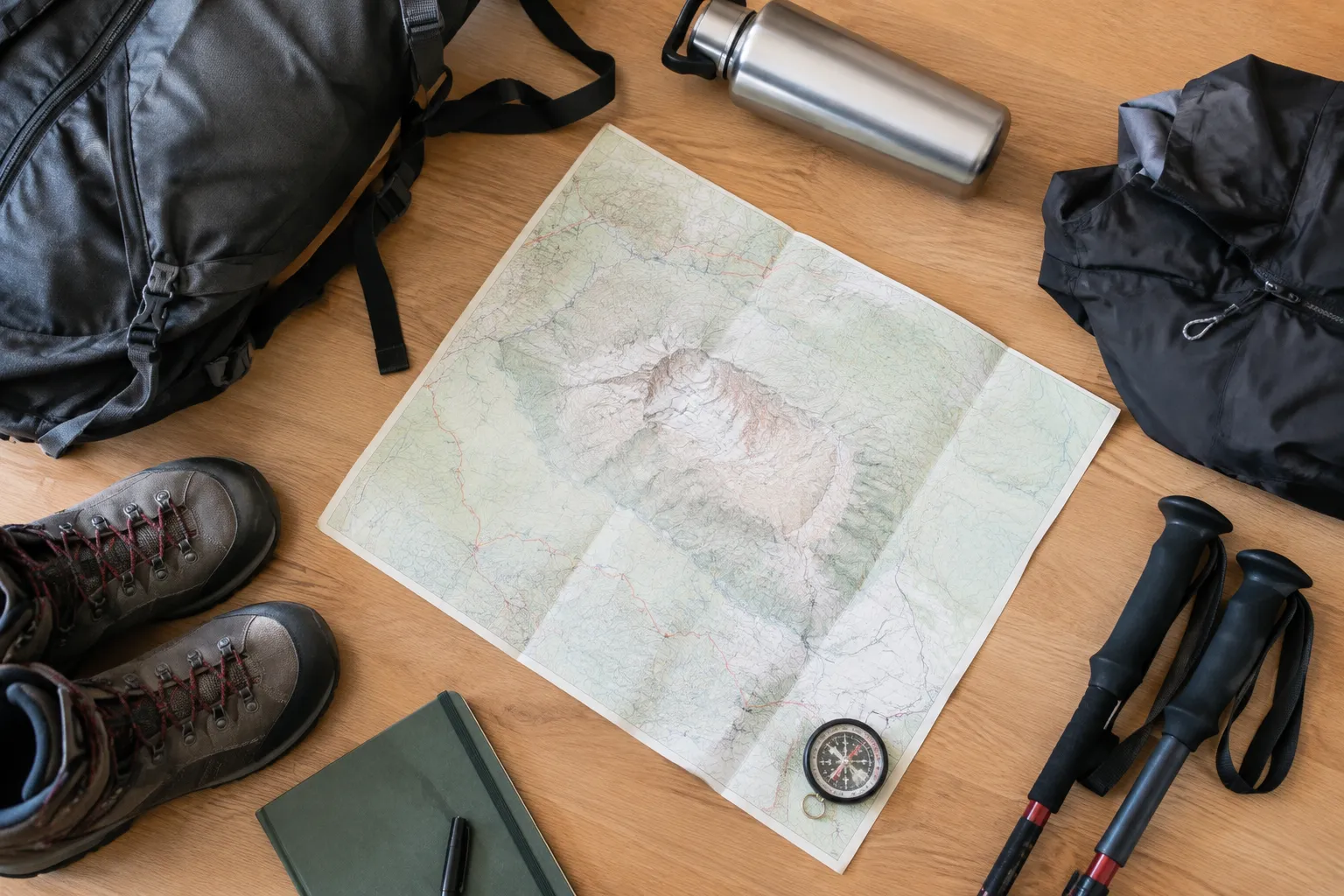
A first-time climber arriving from sea level may be managing jet lag, unfamiliar baggage connections, training fatigue and uncertainty about how they will respond to altitude. A solo traveler may also wonder whether joining others will feel supportive and safe.
On guided hiking tours, group size affects how easily travelers can communicate, but it is only one part of the support structure. Ask who leads the climb, how health concerns are raised, and what happens if someone needs to descend or move at a different pace. For route context, our Kilimanjaro route options and preparation guide explains how route choice fits into planning.
Approach and decision points
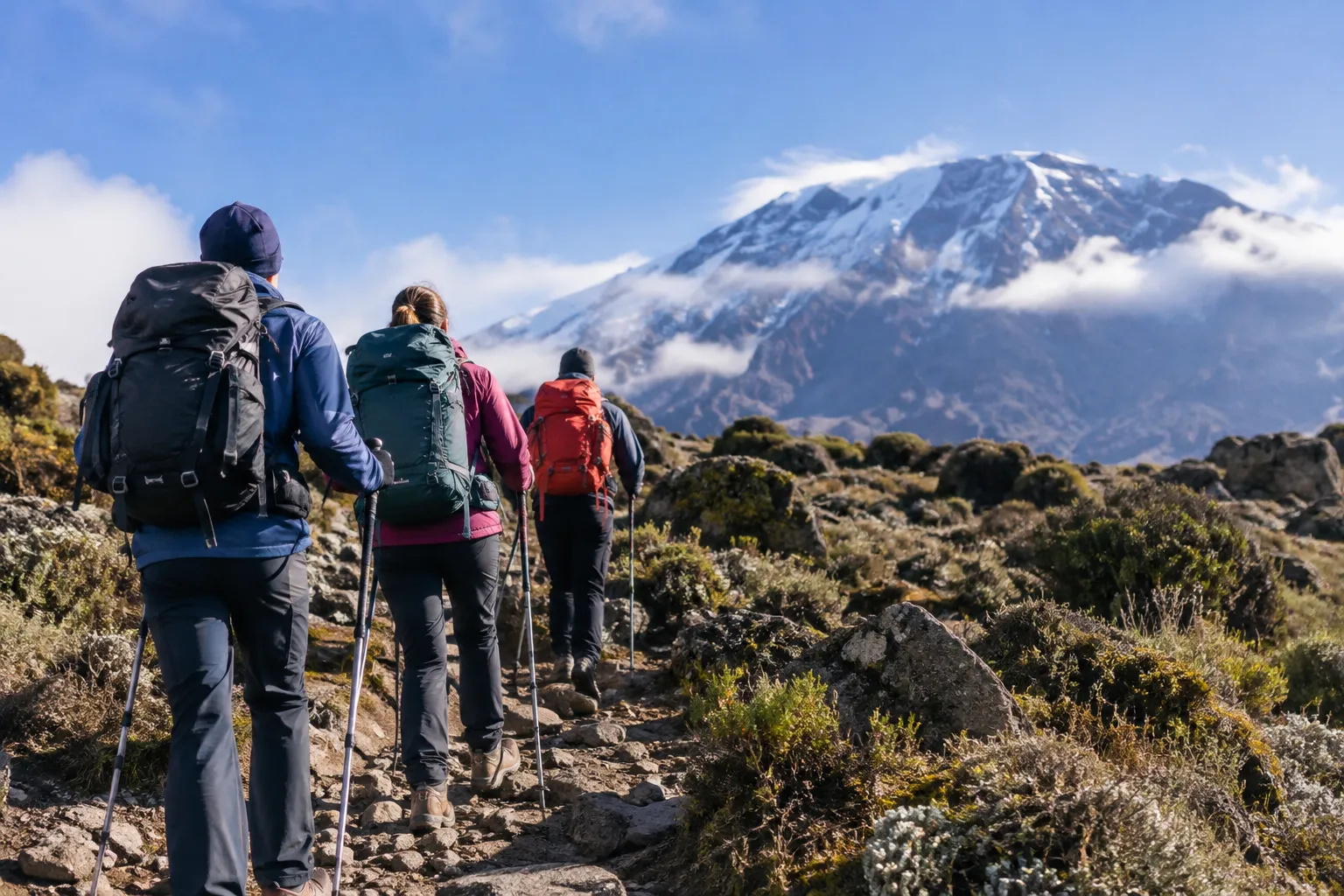
A useful comparison starts with what is included and how decisions are handled. Ask operators for clear written details on route and duration, transfers, meals, accommodation, park and government fees, equipment, and what is excluded. Tipping, personal gear and international flights can affect the total budget, so price the full trip rather than comparing a headline figure alone.
| Choice | Potential fit | Tradeoff to consider |
|---|---|---|
| Small group departure | Travelers who want shared company and a planned group structure | Less flexibility than a private itinerary |
| Private climb | Travelers who want a departure planned around their own party | The group does not include other travelers by default |
Ask whether a departure is confirmed or dependent on other bookings, what group size means in practice, and whether solo travelers and women can speak with the operator about their concerns. For safety, ask how guides monitor health, communicate changes and make descent decisions. Eco Africa Climbing is a KPAP Partner Company; travelers can also ask how porter welfare is addressed and check the operator’s listing with KPAP.
Our guide to what to expect on a Kilimanjaro climbing tour can help you build a fuller checklist. A smaller group may make it easier to get a question answered; it is not a substitute for a clear safety process or responsible porter practices.
Lessons readers can apply
The central lesson is to match the departure type to your priorities. A group climb can offer companionship; a private climb can offer more control over planning. Neither choice should be treated as a promise of summit success or individualized attention unless the operator explains precisely what support is provided.
Before booking, ask for the itinerary and inclusions in writing, clarify the tipping guidance, and check what gear you must bring or rent. Plan arrival time to allow for rest and sleep before the trek, and include flights, baggage, gear and tips in your budget. Training should prepare you for sustained walking and carrying your daypack; discuss individual health concerns with a qualified professional.
FAQ
Can an average person climb Kilimanjaro?
Many people without technical climbing experience attempt Kilimanjaro, but it requires preparation and carries altitude-related risks. A suitable route, gradual acclimatization and honest health planning matter more than an assumption that everyone can summit.
What are 10 things I wish I knew before climbing Kilimanjaro?
Plan for altitude, train for long walking days, allow arrival rest, budget for flights and tips, check baggage connections, test your gear, understand inclusions, ask about porter welfare, expect basic mountain conditions, and follow guide advice.
Is 50 too old to climb Kilimanjaro?
No; age 50 alone does not determine whether someone can climb. Fitness, medical history and response to altitude matter, so discuss your plans with a qualified health professional and choose an appropriate itinerary.
What is the fatality rate of climbing Kilimanjaro?
There is no single rate that applies to every operator, route or season, and estimates vary by source and method. Focus on guide procedures, health monitoring, acclimatization and clear plans for descent.
Where do you sleep when you climb Kilimanjaro?
It depends on the route: climbers generally sleep in tents on some routes and in mountain huts on the Marangu Route. Confirm the accommodation and equipment arrangements for your chosen itinerary.
What should you know first about small-group Kilimanjaro climbs?
Group size can influence communication and companionship, but it does not guarantee a particular level of care or a summit. Ask about the actual group limit, guide structure and health-response procedures.
How do you choose between small-group and private climbs?
Choose a group departure if shared company and a set itinerary suit you; consider a private climb if you need more control over planning. Compare inclusions, dates, total costs and support in writing.
Which small-group climbing mistakes should you avoid?
Do not choose on group size or headline price alone. Check the route, fees, tipping guidance, gear requirements, porter-welfare practices and what happens if a climber becomes unwell.
Recommended next steps
Use the small-group benefits as a checklist, not a guarantee: compare routes and trip components, clarify how the operator supports climbers, and plan for rest before the climb. Those steps help you judge whether a group or private Kilimanjaro climbing tour fits your needs and budget.
Sedrick Silayo is a Web Developer and Digital Marketing Expert at Eco-Africa Climbing, with over 10 years of experience in Tanzania’s adventure travel industry. He specializes in Kilimanjaro trekking and Northern Tanzania safaris, sharing practical expertise on trip planning, mountain preparation, safety, KPAP standards, and safari experiences.