 14 Nov 2026
 3 min read
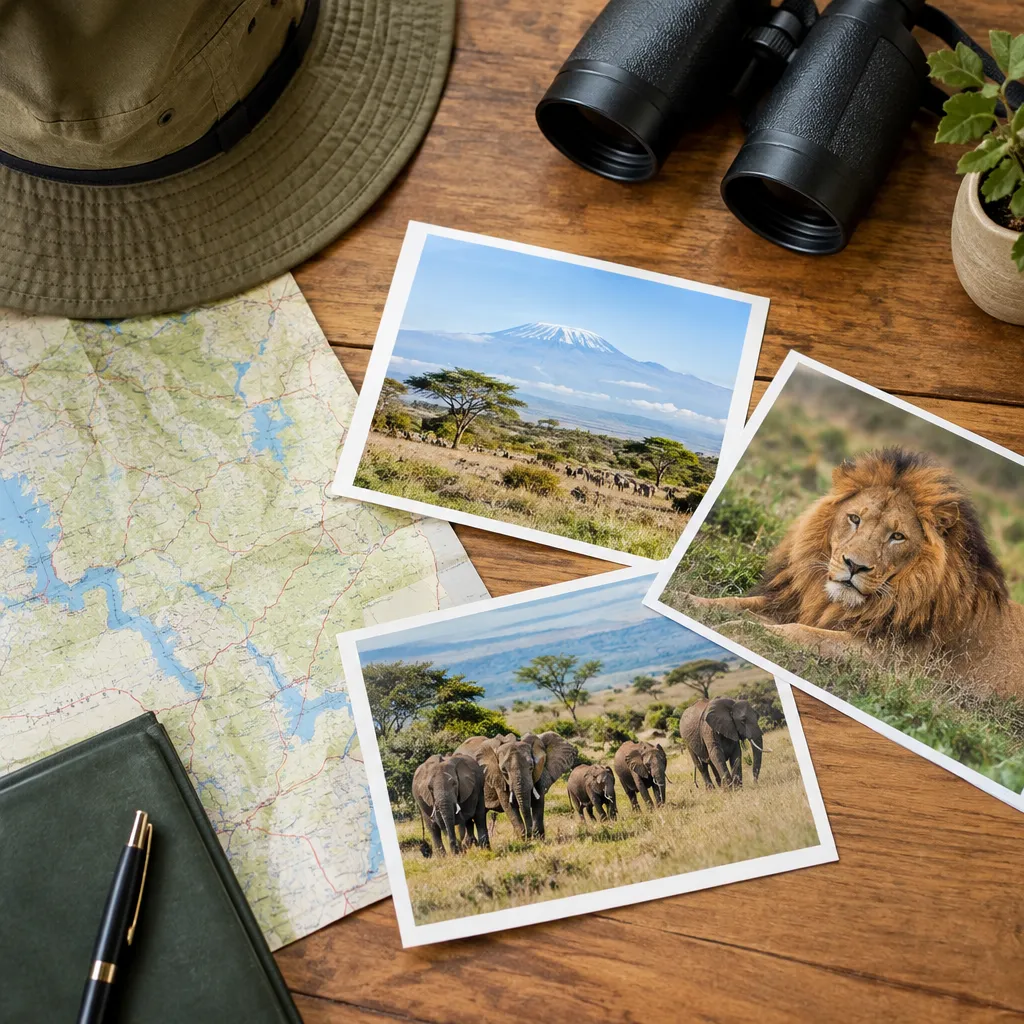
1. Compare what 3, 5, 7, and 10 safari days can offer
Three days usually means a focused Northern Tanzania safari; five to seven can fit more wildlife time across key parks, and ten can allow additional destinations or a climb-and-safari journey.
| Safari days | What the time can support | Main tradeoff |
|---|---|---|
| 3 | A compact Northern Tanzania loop, such as Tarangire and Ngorongoro | Less room to add the Serengeti without more driving |
| 5 | A focused selection of Northern Circuit parks | Choices still need to be limited |
| 7 | More time for game viewing across several destinations | Longer transfers may still shape the pace |
| 10 | Additional parks or a safari paired with a climb | More days mean more travel and trip components to plan |
Use this as a framework, not a fixed schedule: the route, season, and starting point affect what fits. Our Tanzania safari tour comparison can help you compare trip styles and itinerary priorities.
2. Choose destinations around the wildlife you most want to see
Choose destinations by your main wildlife priority, then fit the route to your available days rather than trying to include every park.
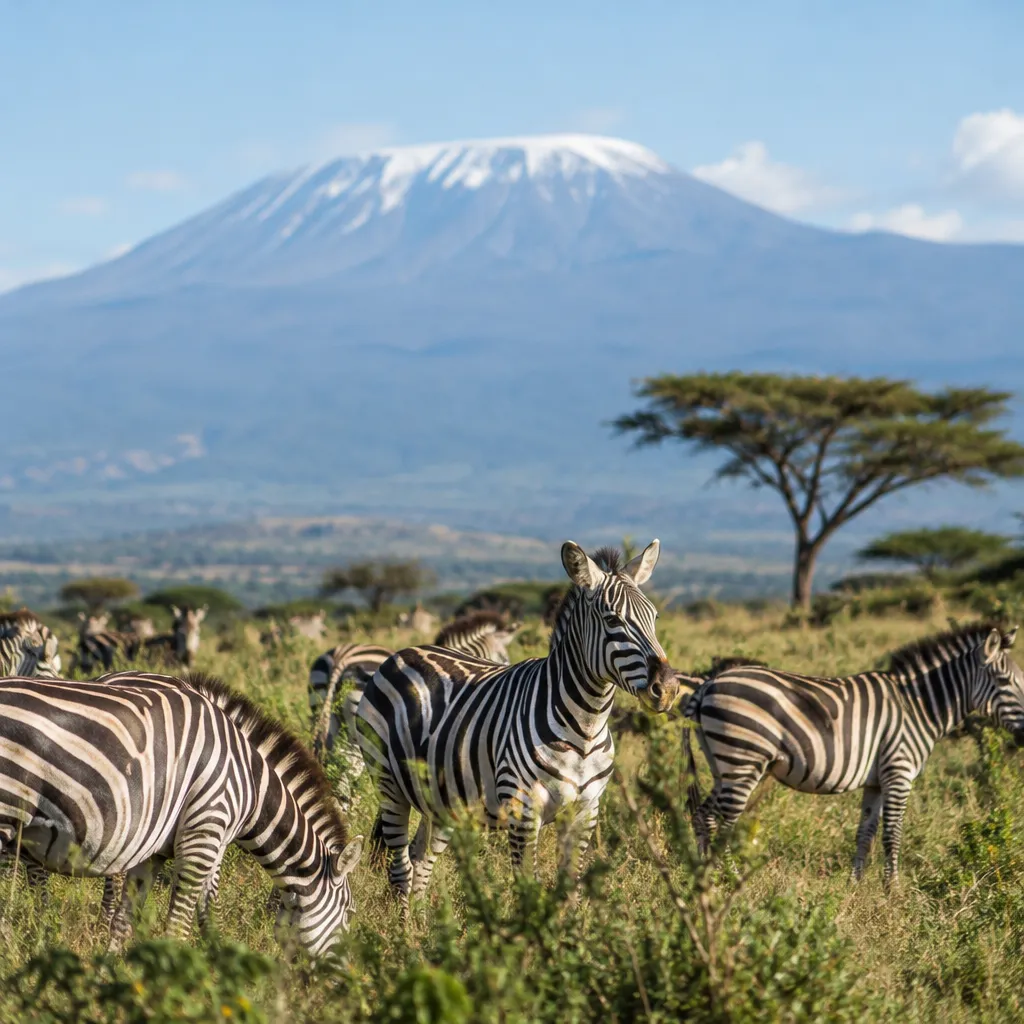
For the Serengeti migration, ask how the proposed dates and area fit together; the migration’s location varies. Ngorongoro Crater offers a distinct stop, while Tarangire is known for elephants and baobab trees. Eco Africa Climbing offers private safaris to Serengeti National Park, Ngorongoro Crater, Tarangire, and other Northern Tanzania destinations.
3. Use a short Northern Tanzania loop for a tight schedule
For a short escape, choose nearby Northern Tanzania stops and avoid adding a distant destination that turns limited days into transfer days.
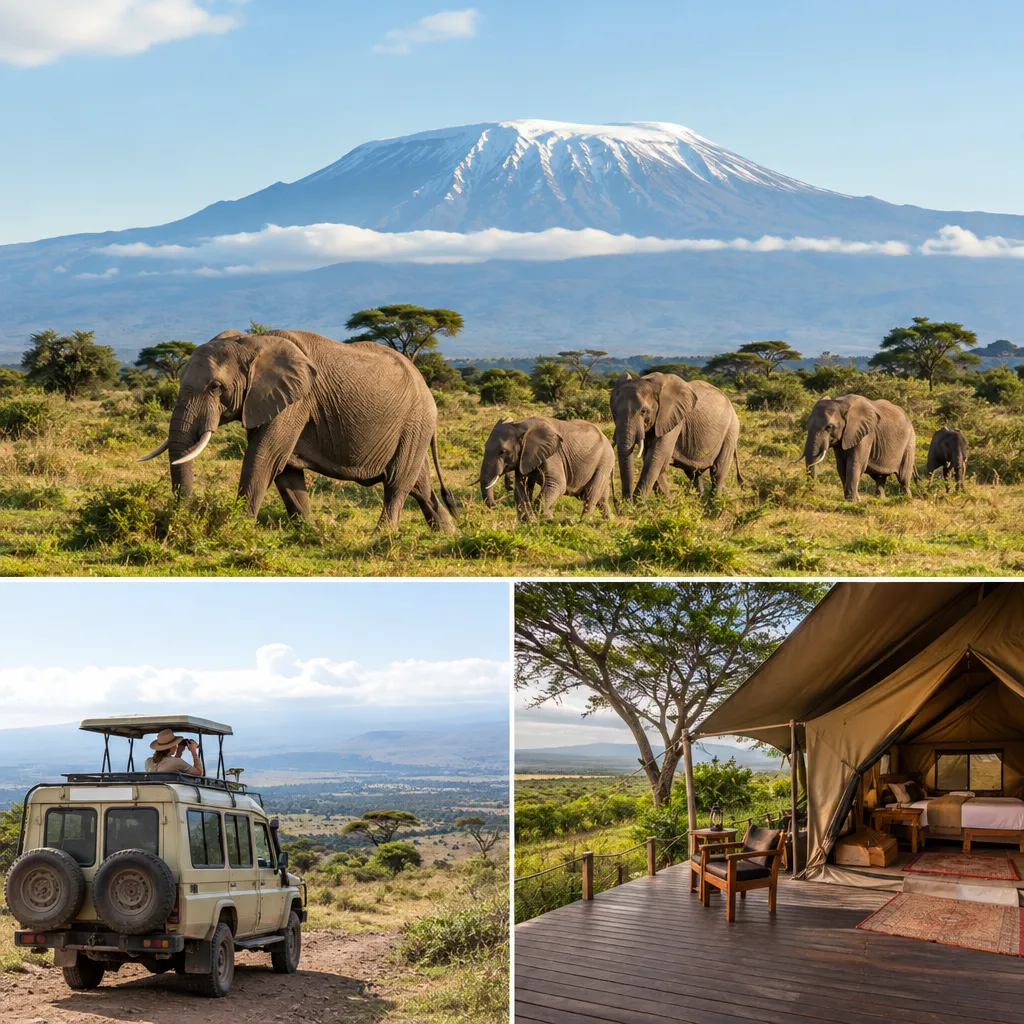
A three-day framework could center on Tarangire and Ngorongoro, with the exact order based on arrival and departure logistics. If Serengeti is essential, ask whether the extra distance fits your schedule without sacrificing the wildlife time you want. A private Tanzania safari can be tailored around priorities, but it does not remove the time required to travel between parks.
4. Build a 5-to-7-day safari around unhurried wildlife time
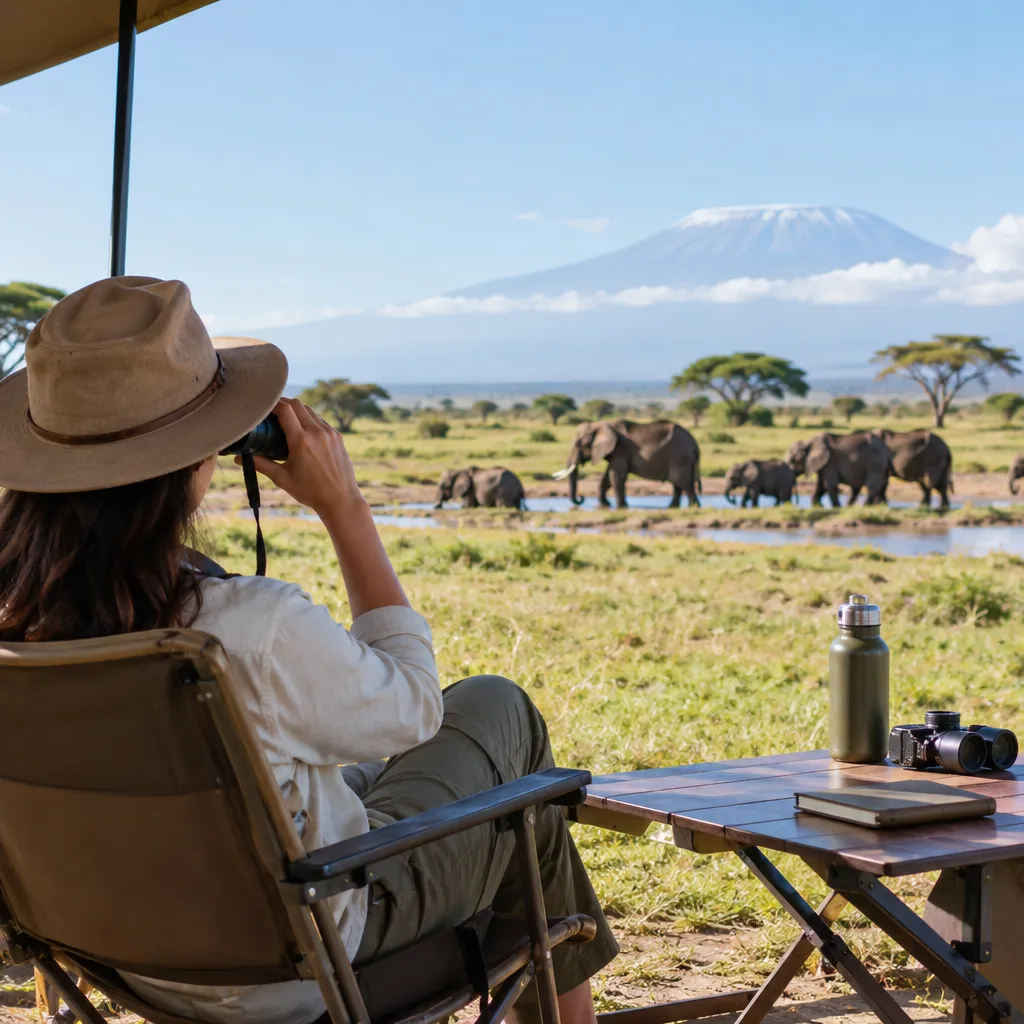
Five to seven days can balance time in the Serengeti with other Northern Circuit highlights, provided you limit the number of stops.
For example, set aside multiple days for the Serengeti, then consider adding Ngorongoro or Tarangire according to your priorities and route. This framework leaves room to make game viewing the focus instead of moving lodging every day. Eco Africa Climbing offers private Tanzania safaris; ask for a route that spells out transfer days as well as park nights.
5. Extend the itinerary for more parks or a climb-and-safari trip
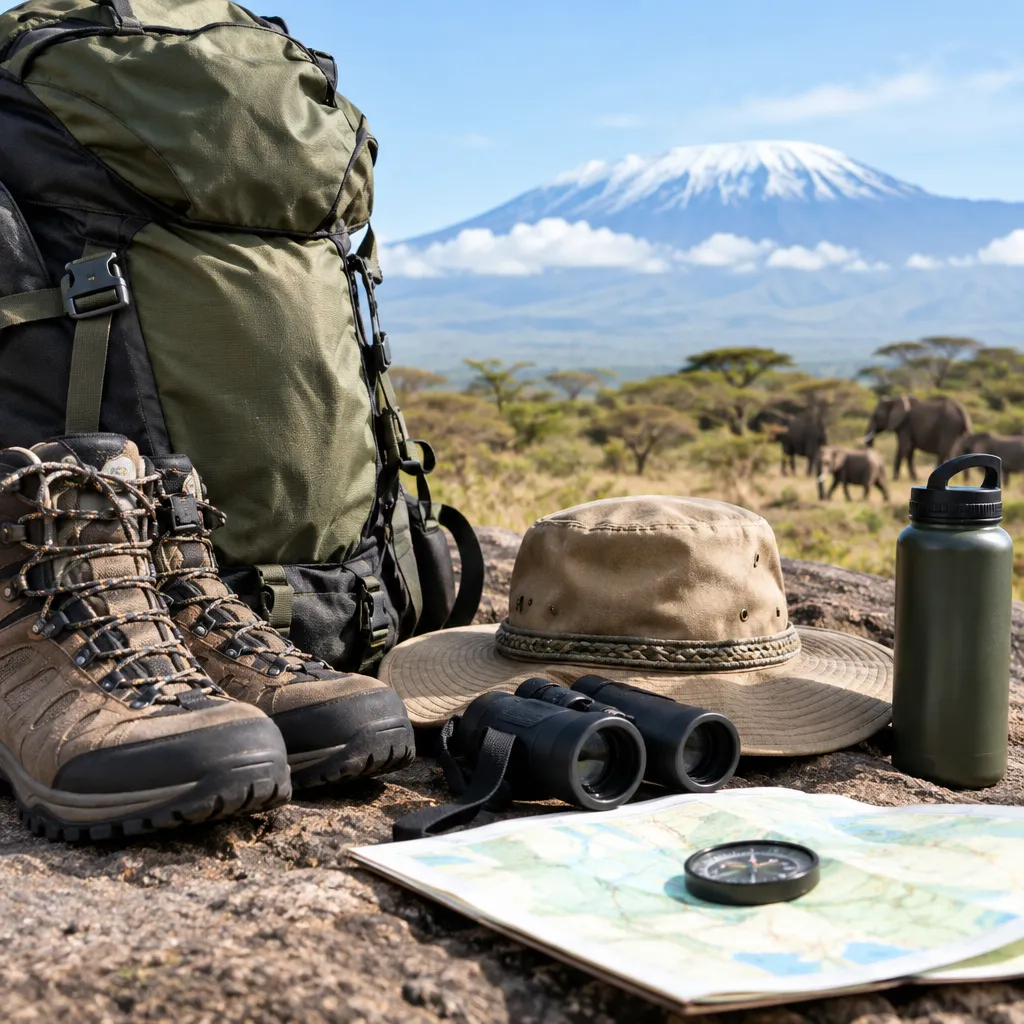
Use ten days to add destinations or combine a safari with a Kilimanjaro climb, while leaving room for recovery and travel connections.
TANAPA gives a typical climb duration of five to eight days, depending on the route. A combined trip therefore needs more than the climb and safari days alone: plan for arrival, rest, transfers, and a buffer before your international flight. Eco Africa Climbing offers guided climbs on the Lemosho, Machame, Northern Circuit, Rongai, and Marangu routes, alongside wildlife safaris.
6. Set the pace around transport, season, lodging, and budget
Transfer time, seasonal wildlife priorities, accommodation choices, and flight plans all affect how many safari days feel comfortable and what the trip costs.
Compare proposed itineraries by nights at each stop, not just the number of parks. Ask what lodging and transport are included, which fees are separate, and whether tips, flights, and gear sit outside the quoted safari cost. Keep a buffer before an international departure rather than scheduling a long park transfer immediately before your flight. For a climb-and-safari combination, see our climb and safari planning guide.
7. Match a sample framework to your dates and request a tailored plan
Choose the shortest framework that covers your priorities without squeezing out wildlife time, then adjust it for dates, arrival, and onward travel.
Send your available days, arrival and departure points, wildlife priorities, and preferred lodging level when discussing a plan. If you are combining a climb and safari, include the route and dates you are considering; our climb-and-safari itinerary guide covers how those trip components fit together. Eco Africa Climbing is a Tanzania-based operator and a KPAP Partner Company committed to porter welfare.
Recommended next steps
- Choose whether the trip is safari-only or combines a safari with a Kilimanjaro climb.
- Mark your arrival and international departure dates, including a buffer before flying home.
- Rank the wildlife priorities that should shape your park choices.
- Compare proposed plans by transfer days, nights in each destination, lodging, and stated inclusions.
- Request a tailored itinerary that fits your available time and priorities.