
 22 Oct 2026
 4 min read
1. Check the operator’s Tanzanian registration and local presence
To assess whether a company is legitimate, ask for its registered business name and registration details, then check them through the relevant Tanzanian authority. Confirm who will handle your booking locally and whether the name on your quote and payment instructions matches the operator you researched.
Eco Africa Climbing is Tanzania-based. Treat that as a starting point for your checks, not proof on its own. For context on the mountain and its setting, see our Mount Kilimanjaro location guide.
2. Verify guide training, WFR credentials, and health checks
Ask which guides will lead your climb, what training they hold, and whether any are Wilderness First Responder (WFR)-trained. Request a clear explanation of daily health monitoring, how concerns are escalated, and what the team’s emergency procedures involve. A credential is useful evidence of training, not a guarantee of a particular outcome.
For first-time climbers, also check how the itinerary supports acclimatization and whether you will have time to rest after arriving in Tanzania. Our guide to what to expect on Kilimanjaro climbing tours can help you understand the trip components to discuss.
3. Look for porter protections and check KPAP participation
Check the Kilimanjaro Porters Assistance Project (KPAP) participation list directly, using the company’s exact name. Eco Africa Climbing is a KPAP Partner Company; you should still confirm current status independently and ask how the operator addresses porter pay, workload, equipment, food, and working conditions.
KPAP participation is one useful check, not a substitute for questions about day-to-day treatment. Ask how tipping works, whether tips are separate from the quote, and how they reach the crew. If answers are vague or pressure you to decide quickly, pause before booking.
4. Compare independent reviews with the operator’s own claims
Read recent reviews across independent platforms, looking for specific descriptions of communication, guide support, food, camp routines, and how problems were handled. Compare those details with the company’s own materials. Reviews can inform your decision, but neither polished testimonials nor a few negative comments establish the full picture.
The same standard applies to Eco Africa Climbing: assess independent feedback alongside written answers about the climb. For route context when comparing Kilimanjaro options and preparation, consider how route length and itinerary affect the experience you are being quoted.
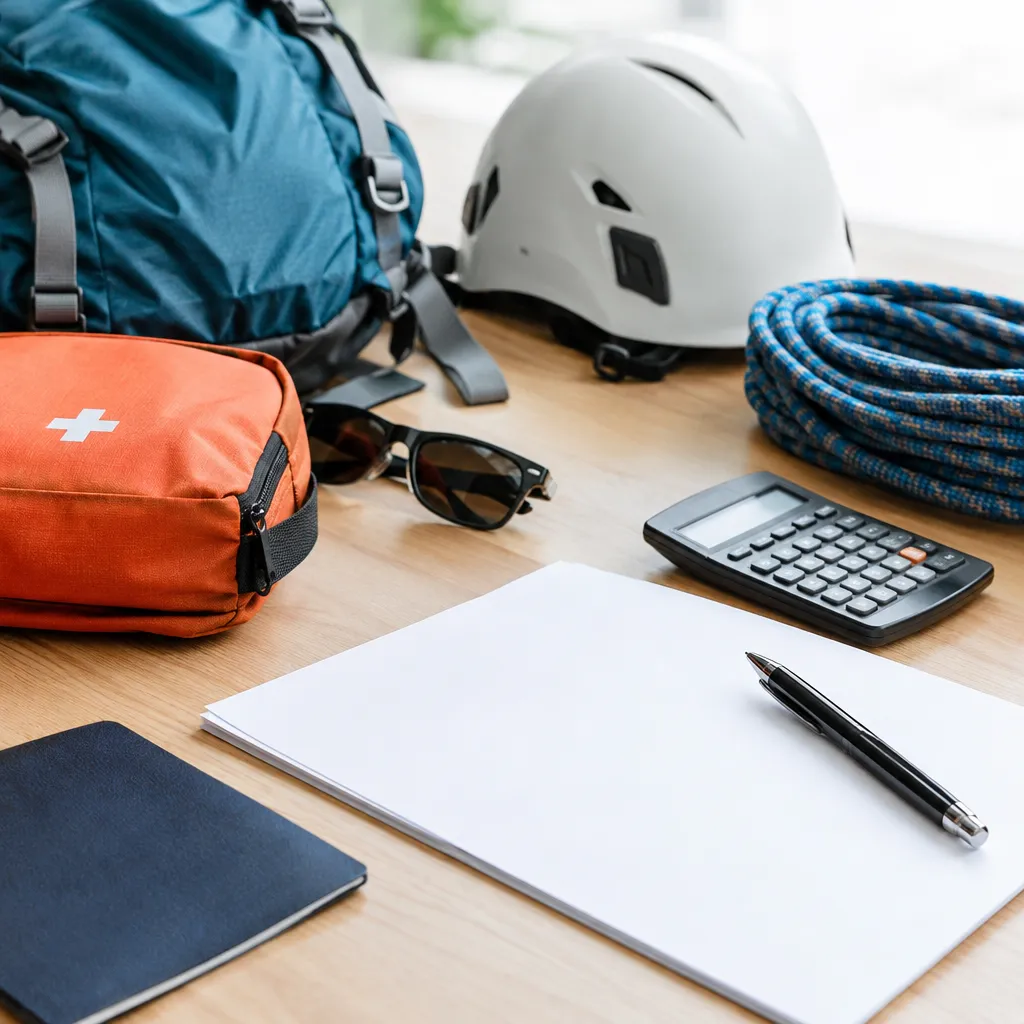
5. Read the insurance terms and itemize the full climb quote
Confirm with your insurer that your policy covers trekking at the intended altitude and any evacuation relevant to your itinerary; do not assume standard travel cover includes either. A qualified insurance professional can help you check how the policy applies to your circumstances.
Request a written, itemized quote showing route and trip length, included services, exclusions, payment and deposit terms, and costs such as park fees, tips, gear, and flights. Ask specifically what safety support is included. Comparing total trip costs—not headline prices—helps you judge value without assuming that the cheapest or most expensive option is best.
Kilimanjaro Climbing Company FAQs
Which Kilimanjaro company is best?
The best fit is an operator whose registration, guide qualifications, porter protections, reviews, insurance guidance, and itemized quote withstand your checks. Compare evidence and itinerary details rather than relying on a website’s appearance or a single review.
How can I check whether a Kilimanjaro operator is registered in Tanzania?
Ask for the company’s registered name and registration details, then confirm them through the relevant Tanzanian authority. Check that the entity on the paperwork matches the operator named in your quote and payment instructions.
What does a Wilderness First Responder credential tell me about a guide?
A WFR credential indicates relevant wilderness first-aid training; it does not guarantee that an emergency will have a particular outcome. Ask which guides hold current credentials and how the team monitors climbers and responds to medical concerns.
How can I verify a climbing company’s KPAP participation?
Search KPAP’s current partner list for the operator’s exact name and confirm any claimed status directly. Then ask about porter pay, working conditions, equipment, meals, and how tipping is handled.
What safety equipment and emergency procedures should a Kilimanjaro operator explain?
Ask what equipment the crew carries, how climbers’ health is monitored, who makes decisions if someone becomes unwell, and how evacuation or other emergency response is organized. Request clear answers before booking; equipment alone does not ensure a safe outcome.
Does travel insurance cover a Kilimanjaro climb and evacuation?
Not necessarily: coverage depends on the policy, including its altitude and activity exclusions and evacuation terms. Check the wording with your insurer before travel and get confirmation that it applies to your planned climb.
What should a Kilimanjaro climbing quote include?
A useful written quote identifies the route, trip length, inclusions, exclusions, deposit and payment terms, and additional costs such as tips, gear, and flights. Ask which fees and safety provisions are included rather than comparing headline prices alone.
How can I tell whether online reviews of a trekking company are reliable?
Look for recent, detailed accounts across independent platforms and compare recurring specifics with the company’s written policies and quote. Treat reviews as clues to investigate, not as proof that every trip will be the same.
Use the checklist to decide whether to book
Before paying, make sure you can verify the operator’s identity, understand who will guide you, check KPAP participation if claimed, and get clear written answers on insurance and costs. If information is missing or inconsistent, ask for clarification in writing and compare the response with other evidence.
Sedrick Silayo is a Web Developer and Digital Marketing Expert at Eco-Africa Climbing, with over 10 years of experience in Tanzania’s adventure travel industry. He specializes in Kilimanjaro trekking and Northern Tanzania safaris, sharing practical expertise on trip planning, mountain preparation, safety, KPAP standards, and safari experiences.