
 11 Oct 2026
 5 min read
A responsible Kilimanjaro operator should be able to explain how it checks climbers’ health, who can make a descent decision, how the team communicates, and what evacuation support actually means. These kilimanjaro climb safety checks and evacuation questions matter more than a reassuring headline claim: the details help you compare a kilimanjaro climbing tour and understand what your insurance must cover.
Kilimanjaro climb safety checks and evacuation: the quick verdict
The practical verdict: choose guided hiking tours that describe routine health checks and a clear response plan before you pay, not just a general promise of “safety.” Ask what happens if a climber becomes unwell, who contacts park authorities or outside support, and which costs remain yours.
This review is for first-time trekkers, solo travelers, and anyone comparing the full cost of kilimanjaro climbing trips. Strong plans make responsibilities clear; limitations include weather, terrain, access, and the fact that an evacuation cannot be guaranteed to happen instantly.
We are a KPAP Partner Company, and porter welfare is part of responsible operations. KPAP partnership is one useful check, but it does not replace questions about medical procedures, guide training, insurance, or the specific services included in your climb. For route context, see our Kilimanjaro route options and preparation guide.
Kilimanjaro climb safety and evacuation review: what to evaluate
A safety plan is not one device or certificate. It is a chain of decisions: notice a problem, assess it, communicate, choose whether to continue or descend, and arrange assistance when needed. Before booking, request written answers and compare them across operators.
Who it is best for
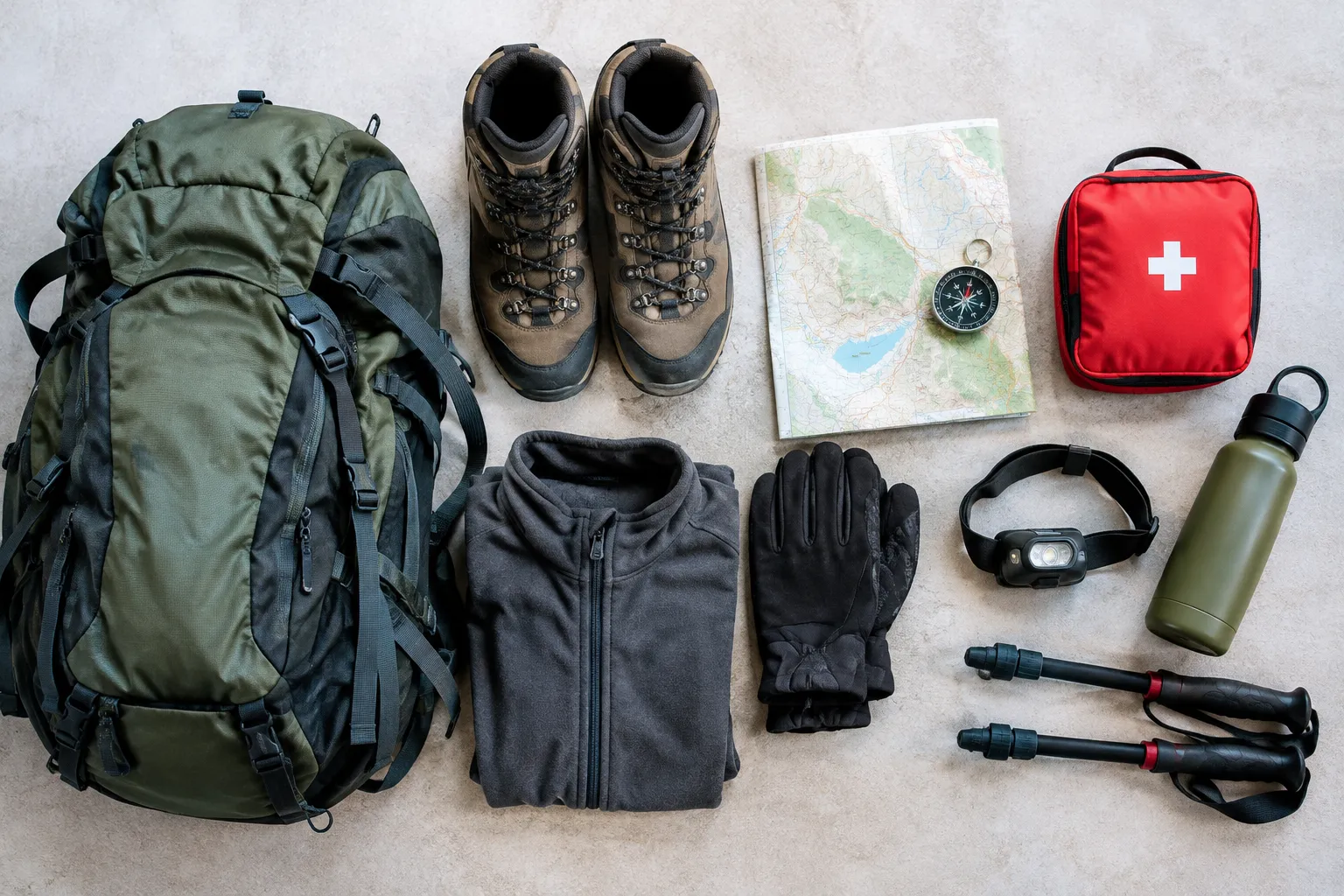
These checks are especially useful for climbers arriving from sea level, people traveling alone, and small groups deciding between a shared departure and a private climb. They also help anyone budgeting flights, gear, tips, and insurance alongside the tour price.
Ask how the operator handles daily health monitoring, including who checks in with climbers and how concerns are recorded or escalated. Ask what training guides hold, whether any are trained in wilderness first aid, and how often training is refreshed. A credential is useful context, not a promise of a particular outcome.
If you are planning arrival, sleep, and acclimatization days, compare the proposed itinerary with our guide to what to expect on Kilimanjaro climbing tours. A longer route may allow more time on the mountain, but route length alone cannot guarantee how anyone will respond to altitude.
Strengths to look for
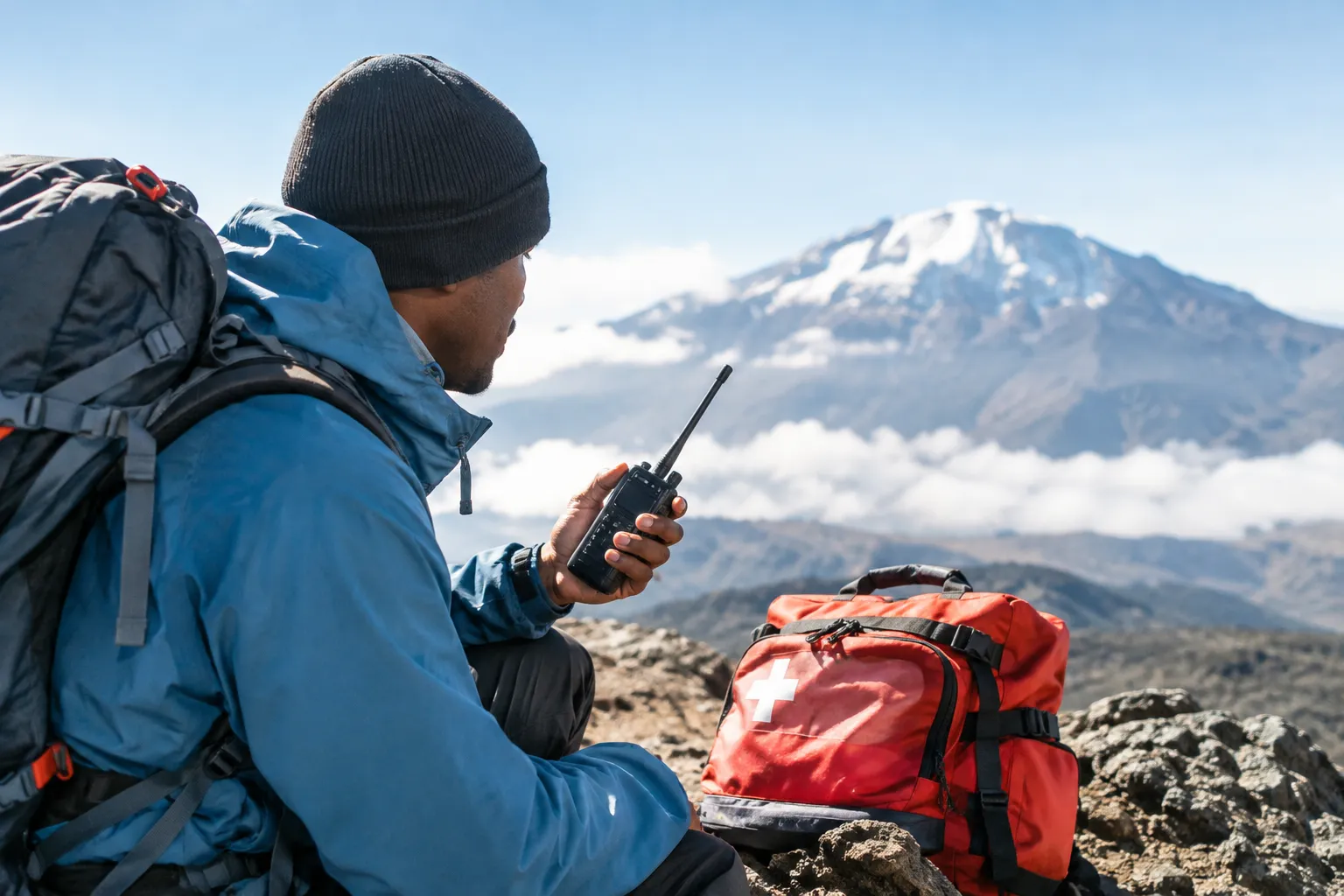
A credible operator should explain who has authority to stop a climb or order a descent, how guides communicate between groups and camp, and what equipment or communication methods are used. Ask how the team responds when a climber cannot continue; the answer should distinguish routine descent support from a medical emergency.
For evacuation, clarify the steps, not just the label. Who arranges transport from the mountain? What assistance is available at different points on the route? Is air evacuation possible in the circumstances, and who coordinates it? Availability can depend on location, weather, and operational conditions.
Read the insurance policy yourself. Confirm that it covers trekking at the intended altitude, emergency medical treatment, and evacuation from the mountain, and check exclusions and limits. Consult a qualified medical or insurance professional about your own situation before relying on a policy or deciding whether you are fit to climb.
Limitations and red flags
No operator can responsibly promise a summit or guarantee that an evacuation will be immediate. Be cautious if a salesperson treats those outcomes as certain, cannot explain how health concerns are escalated, or avoids giving written details about evacuation responsibilities.
Clarify what the quoted price includes and what it does not: park and other government fees, tips, personal gear, flights, and insurance can affect the total trip cost. Ask how group size affects guide attention and whether departures are guaranteed before booking. A low headline price is not enough to judge value without comparing inclusions and porter-welfare practices.
Kilimanjaro climb safety and evacuation: is it worth it?
Yes—checking the plan before booking is worthwhile because it turns vague assurances into questions you can compare. The strongest fit is an operator that answers plainly about monitoring, decision-making, communication, descent support, insurance boundaries, and crew welfare.
It is not a reason to expect a risk-free climb. Altitude illness and changing conditions can affect a trek, and a guide’s training or daily checks do not guarantee a safe outcome. Choose a route and pace you can discuss honestly with your operator and, where relevant, your clinician.
Use this short comparison when reviewing climbing Mount Kilimanjaro tours:
| Check | A clear answer should explain | Tradeoff to understand |
|---|---|---|
| Health monitoring | Who checks in, how often, and what prompts escalation | Monitoring can identify concerns but cannot prevent every problem |
| Guide training | Relevant training and who leads decisions | Credentials do not guarantee an outcome |
| Communication | How the team shares urgent information | Coverage and access may vary on the mountain |
| Evacuation | Who coordinates descent or outside assistance | Timing and options depend on conditions |
| Insurance | Covered activities, altitude, evacuation, and exclusions | The climber must confirm policy terms |
FAQ
Kilimanjaro climb safety and evacuation basics: what should you know first?
Ask for the operator’s health-check routine, guide decision-making process, communication plan, and evacuation procedure in writing. Then confirm your insurance covers the route, altitude, and emergency evacuation.
Kilimanjaro climb safety and evacuation options: how do you choose the right one?
Choose the plan that clearly assigns responsibility for assessment, descent, communication, and arranging help, while matching your insurance. Compare those details across guided hiking tours rather than relying on a single safety label.
Kilimanjaro climb safety and evacuation mistakes: which ones should you avoid?
Do not assume that a tour price includes insurance or evacuation, or that a summit promise is meaningful. Avoid booking before you understand exclusions, personal costs, and who makes a descent decision.
Kilimanjaro climb safety and evacuation in daily use: what should you expect?
Expect guides to ask how you are feeling and to respond when symptoms or other concerns arise; ask the operator how often checks happen and what follows a concern. Do not hide symptoms to stay with the group.
Kilimanjaro climb safety and evacuation comparisons: what should you check before deciding?
Compare guide training, daily health monitoring, communication, evacuation coordination, insurance requirements, group arrangements, and price inclusions. A kilimanjaro climbing tour is easier to assess when each operator answers the same questions.
Recommended next steps
Before booking a kilimanjaro climbing tour, request written safety and evacuation details, then check your policy and full trip budget. Compare route length and logistics using our Kilimanjaro map and route guide, and review the broader Mount Kilimanjaro location guide when planning flights and arrival.
For any operator, including Eco Africa Climbing, ask direct questions about guide standards, health checks, porter treatment, inclusions, and tipping. Clear answers make it easier to judge whether the support and total cost fit your needs.
Sedrick Silayo is a Web Developer and Digital Marketing Expert at Eco-Africa Climbing, with over 10 years of experience in Tanzania’s adventure travel industry. He specializes in Kilimanjaro trekking and Northern Tanzania safaris, sharing practical expertise on trip planning, mountain preparation, safety, KPAP standards, and safari experiences.